X-Plane
Britten-Norman Islander ↗
A British utility twin built around short regional and practical transport work.
2 implementations+ Compare
Explore the aircraft. Find your simulator. Follow the sources.
A British utility twin built around short regional and practical transport work.
A compact two-seat light aircraft with a high wing and a wide range of development variants.
A radial-engined utility aircraft closely associated with bush flying and float operations.
A short-haul jet family that evolved through several generations of engines, wings and flight decks.
A six-engine heavy transport created for exceptionally large external and internal loads.
A long-range strategic bomber with a swept wing and eight jet engines in paired pods.
A self-launching sailplane family with its engine inside the fuselage and a folding nose propeller.
An unpowered military cargo glider designed to deliver troops and equipment behind a tow aircraft.
A four-seat kit-built touring aircraft that expanded the RV family beyond two-seat designs.
A narrow-body twin developed as a new generation of medium-range airliner.
Beechcraft's Model 76, designed to introduce pilots to twin-engine flying.
A post-war Czech light twin with a rounded cabin and engines carried on a low wing.
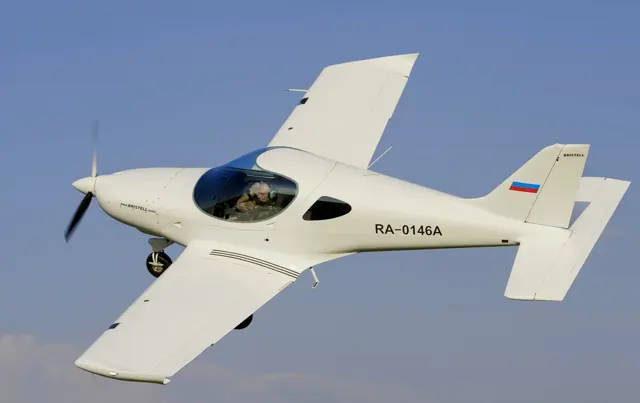
BRM Aero's two-seat B23, represented in MSFS by Airfoillabs.
A two-seat, twin-engine fighter that served naval and land-based air forces in many roles.
A short-field Savage with leading-edge slats and a distinct Got Friends simulator implementation.
A tailwheel utility single built around a high wing and a substantial working cabin.
Avro's delta-wing bomber, developed for Britain's postwar strategic force.
A high-wing utility aircraft known for short-field work and a broad choice of working configurations.
A French two-seat aerobatic trainer with side-by-side seating and a distinctive curved wing outline.
A Polish utility aircraft designed for short takeoffs and landings.
A super-midsize business jet with a swept wing, rear-mounted engines and an integrated glass cockpit.
A heavy transport helicopter whose two large rotors remove the need for a tail rotor.
A shorter wide-body Airbus from the transition to two-pilot, electronic-instrument cockpits.
A long-range trijet developed from the DC-10 with a stretched fuselage and revised wing and cockpit.
This is AirframeDB’s first release. More features and aircraft research are planned. Leave your email if you’d like occasional updates.