X-Plane
Bell 412 ↗
A twin-turbine Huey descendant with a four-blade main rotor.
1 implementations+ Compare
Explore the aircraft. Find your simulator. Follow the sources.
A twin-turbine Huey descendant with a four-blade main rotor.
A long-range twin whose programme emphasised composite construction and more electrically powered systems.
A tailwheel utility single built around a high wing and a substantial working cabin.
A light turbine helicopter whose land-based Scout and naval Wasp branches served different jobs.
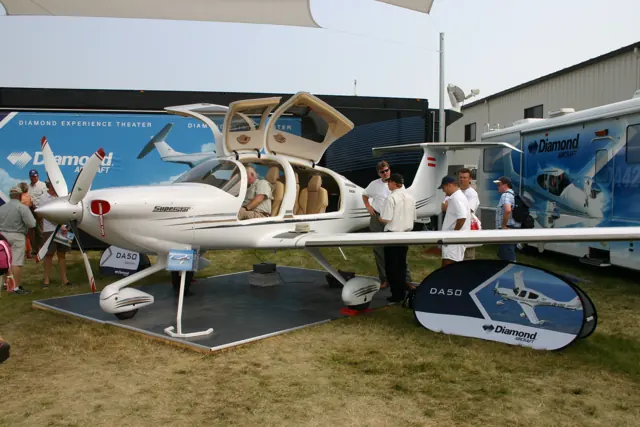
A five-seat composite single whose development led to the diesel DA50 RG.
The four-engine Flying Fortress, a major American bomber of the Second World War.
Cessna's unusual piston-powered helicopter, marketed as the Skyhook.
A four-engine Airbus wide-body developed in parallel with the A330.
A side-by-side two-seat sailplane with a retractable powerplant for self-launching.
A single-seat competition sailplane offered in Standard and 18-metre configurations.
Ted Smith's piston twin, later produced by Piper as the Aerostar.
Two related Dutch regional jets developed from the F28 lineage.
A medium commercial helicopter designed for passenger and utility transport.
Regional flying built around a high wing, two turboprops and short sectors.
A carrier-capable multirole fighter, larger than the earlier Hornet from which it developed.
A short-field Savage with leading-edge slats and a distinct Got Friends simulator implementation.
A vast inter-war flying boat with twelve engines arranged in six paired installations.
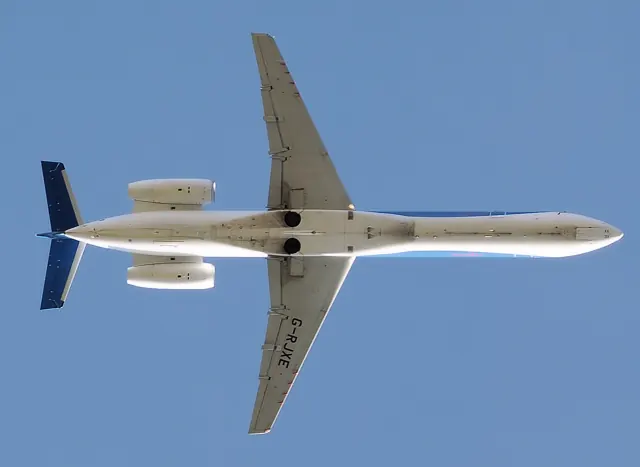
Embraer's regional-jet family, from the ERJ 135 to the longer ERJ 145.
A close-air-support aircraft with a straight wing, twin tail and two widely separated jet engines.
A twin-aisle Boeing designed alongside the 757's generation of two-pilot flight decks.
A compact twin-engine transport helicopter with retractable gear and a long development history.
The fixed-gear, six-cylinder touring branch of Piper's PA-28 family.
A composite, low-wing touring single with fixed gear and a turbocharged engine.
A 1920s flying boat with two engines arranged in tandem above the wing.
This is AirframeDB’s first release. More features and aircraft research are planned. Leave your email if you’d like occasional updates.