MSFS
ICON A5 ↗
A two-seat light amphibian with a compact boat hull and a pusher propeller.
2 implementations+ Compare
Explore the aircraft. Find your simulator. Follow the sources.
A two-seat light amphibian with a compact boat hull and a pusher propeller.
A 1920s flying boat with two engines arranged in tandem above the wing.
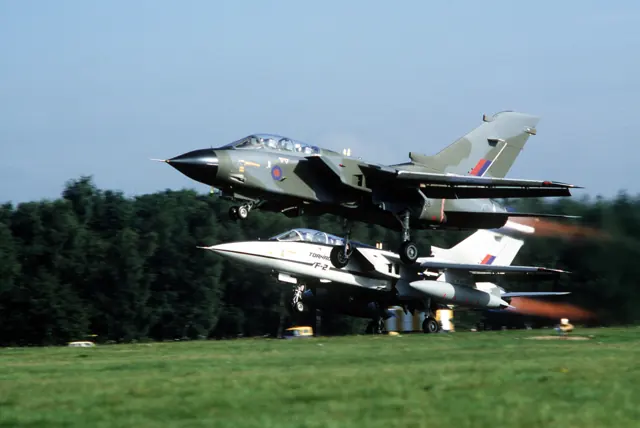
A European variable-sweep combat-aircraft family with distinct strike and interceptor versions.
A military transport developed from the DC-3, used for cargo, troops, parachuting and glider towing.
The H130 utility helicopter, descended from the AS350 and fitted with a Fenestron.
A post-war Businessliner with a radial engine, cabin transport ambitions and tailwheel gear.
A large long-haul twin that introduced Boeing's first commercial fly-by-wire airliner flight controls.
A composite touring single with a whole-aircraft parachute and several generations of avionics.
A pressurised single turboprop with a large cargo door and a broad range of working roles.
A long-running touring single, familiar in both V-tail and conventional-tail forms.
A four-seat composite touring and training aircraft developed from Diamond's smaller two-seater.
A six-engine heavy transport created for exceptionally large external and internal loads.
A heavy transport helicopter whose two large rotors remove the need for a tail rotor.
A close-air-support aircraft with a straight wing, twin tail and two widely separated jet engines.
A twin-turbine Huey descendant with a four-blade main rotor.
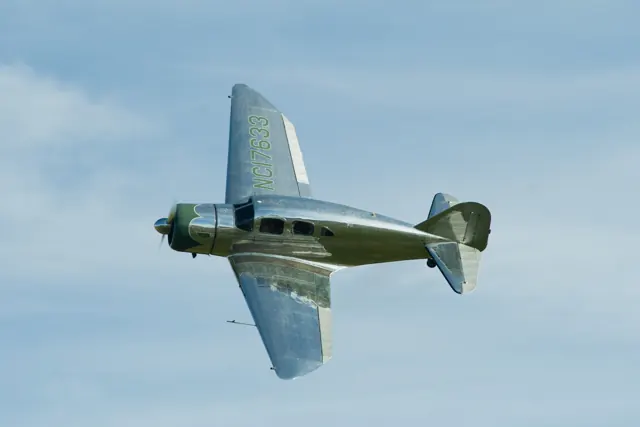
A late-1930s cabin aircraft with metal construction and retractable landing gear.
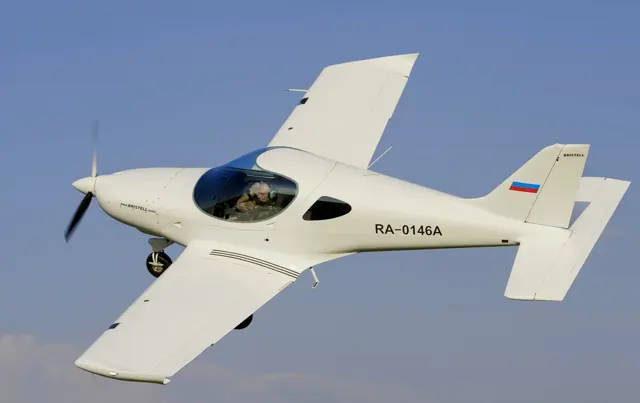
BRM Aero's two-seat B23, represented in MSFS by Airfoillabs.
A composite, low-wing touring single with fixed gear and a turbocharged engine.
A four-engine airliner that brought pressurised-cabin travel into scheduled service.
Ted Smith's piston twin, later produced by Piper as the Aerostar.
A three-engine airliner that became a mainstay of Soviet and Russian passenger transport.
A low-wing piston twin that carries the Beechcraft touring-aircraft lineage into two-engine flying.
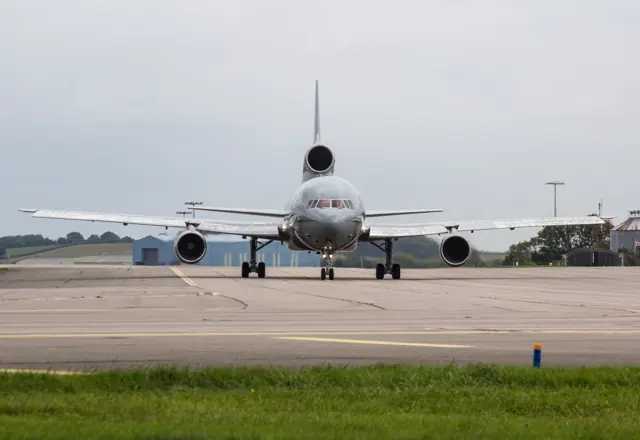
Lockheed's wide-body TriStar, with three RB211 engines and a distinctive tail intake.
Airbus's first production aircraft, built around a twin-engine wide-body layout.
This is AirframeDB’s first release. More features and aircraft research are planned. Leave your email if you’d like occasional updates.