MSFS X-Plane
Beechcraft King Air family ↗
A twin-turboprop family whose smaller conventional-tail and larger T-tail branches have distinct identities.
7 implementations+ Compare
Explore the aircraft. Find your simulator. Follow the sources.
A twin-turboprop family whose smaller conventional-tail and larger T-tail branches have distinct identities.
A high-wing utility aircraft known for short-field work and a broad choice of working configurations.
A two-seat, twin-engine fighter that served naval and land-based air forces in many roles.
The four-engine wide-body whose raised flight deck created one of aviation's most recognisable profiles.
A long-range trijet developed from the DC-10 with a stretched fuselage and revised wing and cockpit.
A Polish utility aircraft designed for short takeoffs and landings.
Epic's experimental light-jet project, represented in simulation by Aerobask.
A low-wing piston twin that carries the Beechcraft touring-aircraft lineage into two-engine flying.
A four-engine tactical transport built around a rear loading ramp and access to austere airfields.
A high-wing utility turboprop designed for short-field passenger and cargo work.
A four-seat high-wing single that spans generations of conventional instruments and glass cockpits.
Mooney's four-seat piston family, developed through many touring-aircraft variants.
SOCATA's touring-aircraft family, including the Tobago and Trinidad.
A six-seat composite single turboprop with a pressurised cabin and retractable gear.
A single-engine turboprop workhorse for passenger services, freight and remote-area transport.
A four-engine Airbus wide-body developed in parallel with the A330.
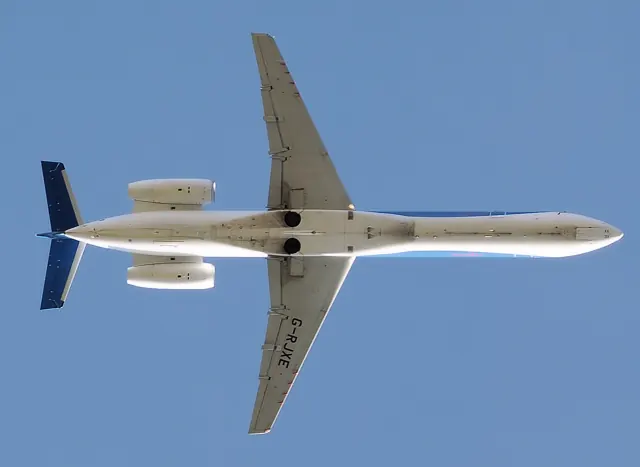
Embraer's regional-jet family, from the ERJ 135 to the longer ERJ 145.
A single-engine utility helicopter known as the Écureuil, Squirrel and AStar.
Beechcraft's Model 76, designed to introduce pilots to twin-engine flying.
Diamond's four-seat light twin, developed with diesel-powered versions.
A regional jet family with four small engines, a high wing and a large split tail airbrake.
Avro's delta-wing bomber, developed for Britain's postwar strategic force.
A rear-engined trijet built to bring jet service to shorter routes and smaller airports.
The second-generation Harrier, designed around vectored thrust and short-field operation.
This is AirframeDB’s first release. More features and aircraft research are planned. Leave your email if you’d like occasional updates.