X-Plane
McDonnell Douglas F-4 Phantom II ↗
A two-seat, twin-engine fighter that served naval and land-based air forces in many roles.
2 implementations+ Compare
Explore the aircraft. Find your simulator. Follow the sources.
A two-seat, twin-engine fighter that served naval and land-based air forces in many roles.
A modern utility single whose family includes both tailwheel and nosewheel configurations.
The four-engine wide-body whose raised flight deck created one of aviation's most recognisable profiles.
The four-engine Flying Fortress, a major American bomber of the Second World War.
A midsize business jet developed by Bombardier’s Learjet division.
A small two-seat piston helicopter with a two-bladed main rotor.
A long-range twin whose programme emphasised composite construction and more electrically powered systems.
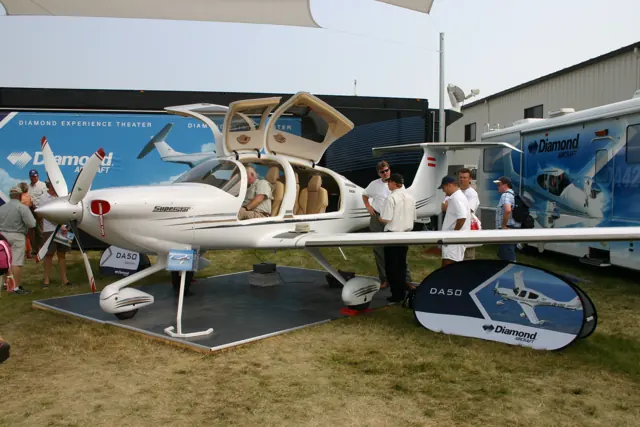
A five-seat composite single whose development led to the diesel DA50 RG.
Two related Dutch regional jets developed from the F28 lineage.
A hybrid-electric regional-airliner concept represented in the simulator while the real programme develops.
The Model 525 CitationJet, the starting point of Cessna's CJ and M2 lineage.
A twin-turbine Huey descendant with a four-blade main rotor.
A fixed-wing observation aircraft with a helicopter-like view from its glazed nose.
A four-engine jetliner that helped establish the shape of long-distance jet travel.
A low-wing piston twin that carries the Beechcraft touring-aircraft lineage into two-engine flying.
A composite amphibian that carries Dornier's centreline engine arrangement into the turboprop era.
A twin-turboprop family whose smaller conventional-tail and larger T-tail branches have distinct identities.
A short-field Savage with leading-edge slats and a distinct Got Friends simulator implementation.
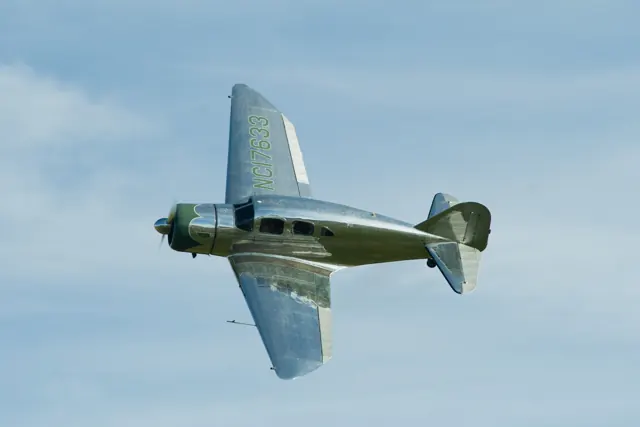
A late-1930s cabin aircraft with metal construction and retractable landing gear.
An amphibious turboprop designed around scooping water and delivering it to fires.
A low-wing agricultural Cessna with a cockpit and hopper arranged around the job.
A heavy transport helicopter whose two large rotors remove the need for a tail rotor.
A composite touring single with a whole-aircraft parachute and several generations of avionics.
A streamlined twin-engine helicopter with a Fenestron tail rotor and retractable landing gear.
This is AirframeDB’s first release. More features and aircraft research are planned. Leave your email if you’d like occasional updates.