MSFS
Dauphin AS365 / HH-65 ↗
A streamlined twin-engine helicopter with a Fenestron tail rotor and retractable landing gear.
1 implementations+ Compare
Explore the aircraft. Find your simulator. Follow the sources.
A streamlined twin-engine helicopter with a Fenestron tail rotor and retractable landing gear.
A low-wing piston twin that carries the Beechcraft touring-aircraft lineage into two-engine flying.
A regional jet family with four small engines, a high wing and a large split tail airbrake.
A long-range trijet developed from the DC-10 with a stretched fuselage and revised wing and cockpit.
A small three-engine demonstrator created to explore technologies for a future supersonic airliner.
A midsize business jet developed by Bombardier’s Learjet division.
A regional turboprop family whose short early versions and larger Q400 have different proportions and systems.
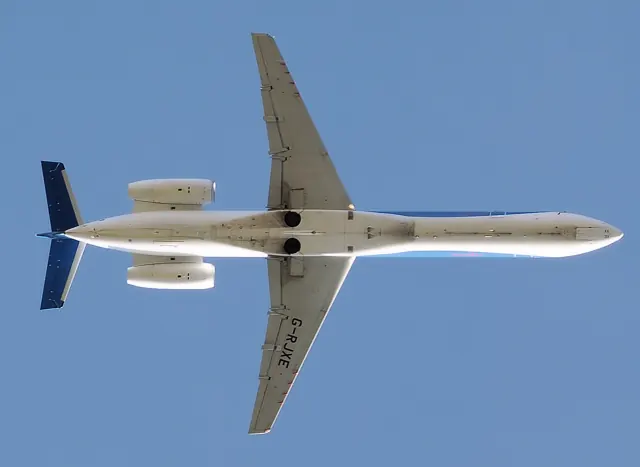
Embraer's regional-jet family, from the ERJ 135 to the longer ERJ 145.
Mooney's four-seat piston family, developed through many touring-aircraft variants.
A long-range twin whose programme emphasised composite construction and more electrically powered systems.
The JetRanger and LongRanger family: a familiar turbine-helicopter shape with distinct cabin lengths.
A compact racing aeroplane built around a large radial engine and very short fuselage.
A tandem-seat light aircraft with a streamlined low-wing layout.
A compact Czech touring aircraft with side-by-side seats and a streamlined low-wing airframe.
A modern two-seat piston helicopter designed around the training role.
A modern medium twin-engine helicopter developed as a successor to the Dauphin line.
Epic's experimental light-jet project, represented in simulation by Aerobask.
A large long-haul twin that introduced Boeing's first commercial fly-by-wire airliner flight controls.
The Wilga is the real-aircraft starting point for Mike Patey's DRACO and the simulator's DRACO X.
A Swedish reconnaissance and dive-bombing aircraft from the early 1940s.
A four-seat high-wing single that spans generations of conventional instruments and glass cockpits.
A 1920s flying boat with two engines arranged in tandem above the wing.
A super-midsize business jet with a swept wing, rear-mounted engines and an integrated glass cockpit.
A twin-aisle Boeing designed alongside the 757's generation of two-pilot flight decks.
This is AirframeDB’s first release. More features and aircraft research are planned. Leave your email if you’d like occasional updates.