
Start here
A few places to begin, from the aircraft’s story to the people who fly it.
Meet the aircraft
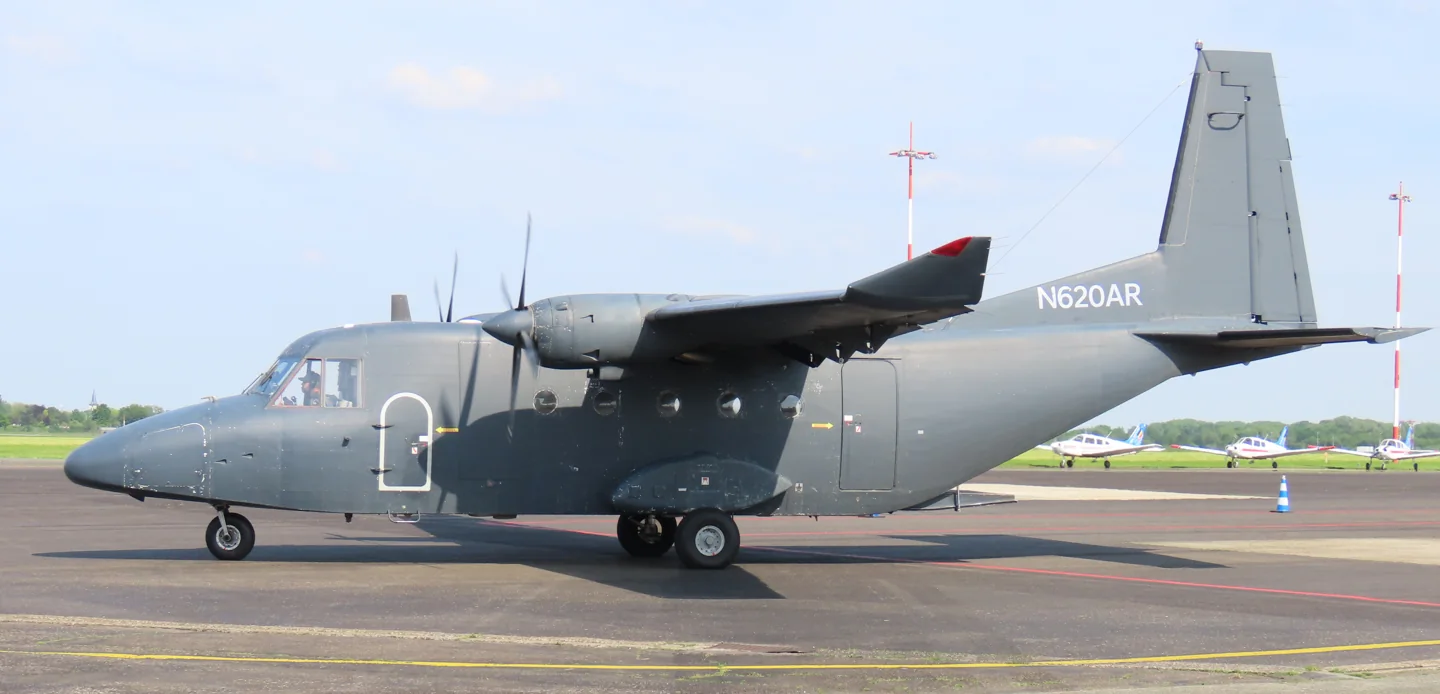
The CASA C-212 Aviocar is a Spanish twin-turboprop utility transport designed for short-field operations.
CASA C-212 Aviocar
store.inibuilds.com · Read more ↗Meet CASA C-212 Aviocar
The CASA C-212 Aviocar is a Spanish twin-turboprop utility transport designed for short-field operations.
CASA C-212 Aviocar
CASA C-212 Aviocar
store.inibuilds.com · CASA C-212 Aviocar — aircraft background ↗Aircraft type designators
No type designator selected for this reference.
History & design
A transport built around access
The C212 served cargo, passenger and parachute work where short or remote airfields limited larger transports. The -200 improved on the -100 with more power and stronger undercarriage. Production also extended to Indonesia under IPTN/PTDI licence, giving the Spanish design a wider manufacturing history.
store.inibuilds.com · C212-200 ↗Project MAX C212-200 description; configuration facts rather than unsupported numerical performance.
Systems & details
Propeller control matters to the recreation
Project MAX models propeller governing, beta and reverse, together with engine limiting and automatic power reserve. Its configurable instrumentation includes analog and EFIS84 options. Those systems explain why the selected add-on and panel matter, even though the airframe retains fixed gear and an unpressurized cabin.
A working utility-aircraft configuration
Project MAX’s C212 includes cargo and passenger cabin arrangements, selectable cockpit equipment, windshield wipers and a weather radar with weather and ground-mapping modes. Aircraft settings and maintenance state persist between flights. The engine simulation includes start, spool-up, shutdown and propeller behaviour, giving the utility airframe more to manage than its fixed undercarriage might suggest. These are the add-on’s documented features and are separate from the production history of the Spanish and Indonesian aircraft.
In your simulator
Systems, equipment and documentation for each developer’s aircraft.
MSFS 2020 · MSFS 2024C212-200
Project MAX · Released
C212-200
Project MAX · Released
Manuals & resources
Find your next read
Choose a topic for a short introduction and a link to the original source. Simulator references identify the developer and edition they cover.
Manufacturer, developer or authorized-product aircraft context
CASA C-212 Aviocar — aircraft backgroundCASA C-212 Aviocar
The Spanish C-212 Aviocar is a twin-turboprop utility transport designed for short airfields.
Aircraft-context passage, preserved text line 2431; reviewed 2026-09-29
store.inibuilds.com · Read the source ↗Developer documentation
C212-200 — product listingC212-200 · MSFS 2020 · MSFS 2024
Individual product listing and edition passage reviewed 2026-09-29
store.inibuilds.com · Read the source ↗Read the original documentation from the people who created it. Manuals open on their publisher’s website.
Manufacturer, developer or authorized-product aircraft context
CASA C-212 Aviocar — aircraft backgroundstore.inibuilds.com · Aircraft-context passage, preserved text line 2431; reviewed 2026-09-29Built-in force-feedback profiles
Read the documentary basis, editable starting settings and remaining questions for the aircraft you fly. Each explanation refers to the exact profile revision shown.
Catalogue programme-20261022-v1 · 2 profile choices
Project MAX C-212-100
Project MAX · Free and Pro · Revision 2 · Inherited starting point
MSFS 2020 · MSFS 2024
The CASA C-212 Aviocar is a Spanish twin-turboprop utility transport designed for short-field operations.
Project MAX C-212-200
Project MAX · Free and Pro · Revision 2 · Inherited starting point
MSFS 2020 · MSFS 2024
The CASA C-212 Aviocar is a Spanish twin-turboprop utility transport designed for short-field operations.
Discuss this aircraft (0)
Questions, observations and useful sources from the community.
No published discussions yet. Bring a question or share a useful source.
Open aircraft discussions →Content expanded · What’s new
Something missing or a source that needs attention?
Suggest a correction ↗