MSFS
ATR 42-600 / 72-600 ↗
A high-wing regional transport family powered by two turboprops.
2 implementations+ Compare
Read attributed accounts of flying these aircraft, with the original sources a click away.
220 aircraft entries
A high-wing regional transport family powered by two turboprops.
A post-war Czech light twin with a rounded cabin and engines carried on a low wing.
A tandem-seat jet trainer that also found a second life in civilian display and racing.
An open, single-seat ultralight with its propeller behind the pilot.
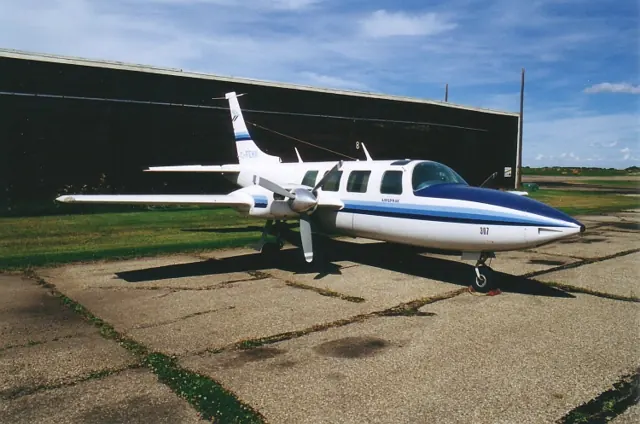
Ted Smith's piston twin, later produced by Piper as the Aerostar.
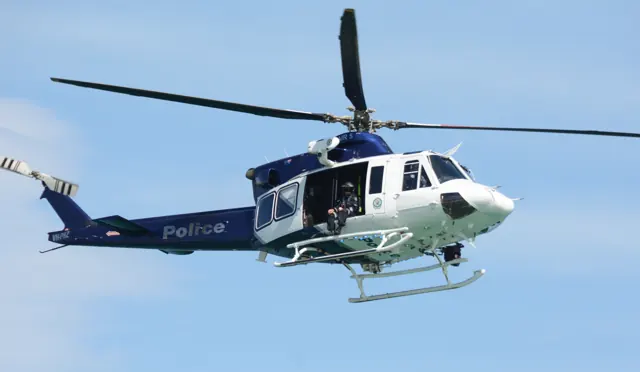
A compact twin-engine transport helicopter with retractable gear and a long development history.
A purpose-built agricultural aircraft that also became a single-engine air tanker.
Airbus's first production aircraft, built around a twin-engine wide-body layout.
A shorter wide-body Airbus from the transition to two-pilot, electronic-instrument cockpits.
Passive sidestick centering with lighter roll resistance, aircraft autotrim and a fixed hardware centre.
A long-haul twin whose family spans passenger, freight and specialist transport roles.
A four-engine Airbus wide-body developed in parallel with the A330.
A long-range twin designed around a new wide-body airframe and extensive composite construction.
A full-length double-deck airliner built for very high passenger capacity.
A four-engine military turboprop designed to combine tactical access with long-distance transport.
Hydraulically assisted cyclic controls and mechanical mixing, with three-blade Starflex rotor cues.
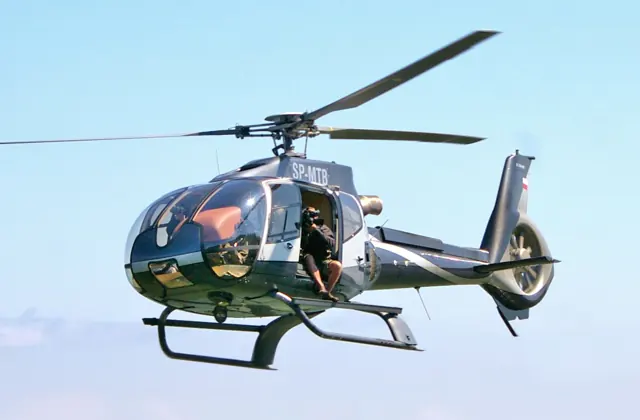
The H130 utility helicopter, descended from the AS350 and fitted with a Fenestron.
A twin-engine utility helicopter with roots in the BK 117 and EC145 families.
A modern medium twin-engine helicopter developed as a successor to the Dauphin line.
A large twin-engine helicopter from the Super Puma line, used for offshore and public-service work.
A very large single-engine biplane designed for practical work from modest airfields.
A six-engine heavy transport created for exceptionally large external and internal loads.
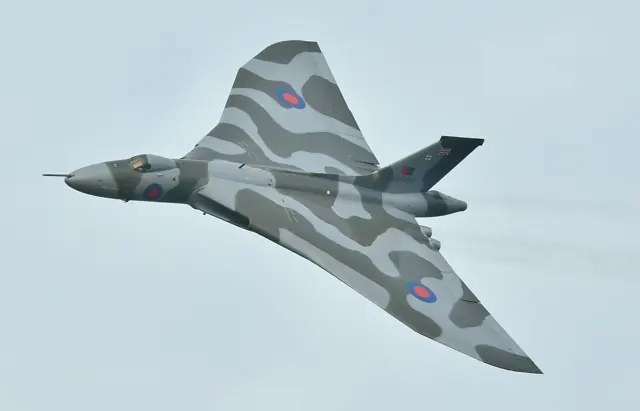
Avro's delta-wing bomber, developed for Britain's postwar strategic force.
A turbine-powered utility helicopter with a broad cabin and a long international service history.
A compact utility helicopter distinguished by its enclosed Fenestron tail rotor.
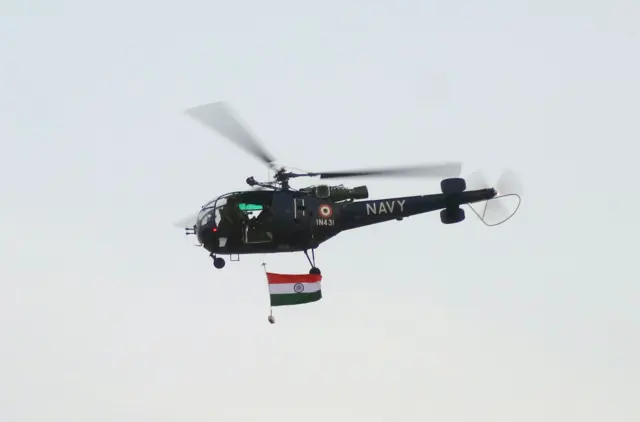
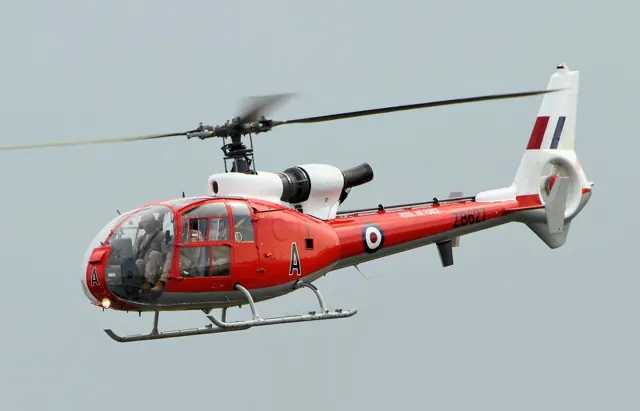
A light turbine helicopter combining an Alouette II airframe with more powerful Alouette III components.
A regional jet family with four small engines, a high wing and a large split tail airbrake.
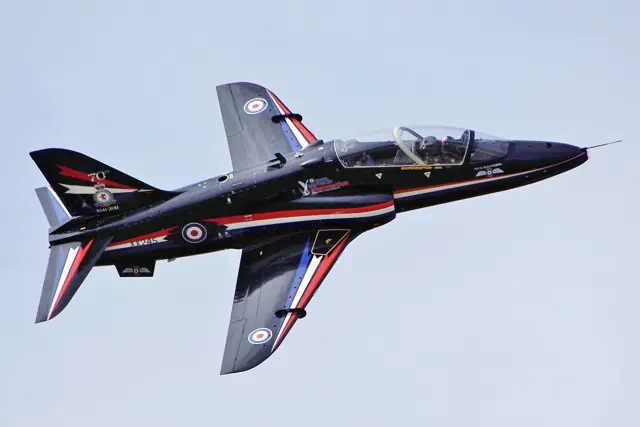
A British jet trainer with tandem seating and a long military training career.
A low-wing piston twin that carries the Beechcraft touring-aircraft lineage into two-engine flying.
A long-running touring single, familiar in both V-tail and conventional-tail forms.
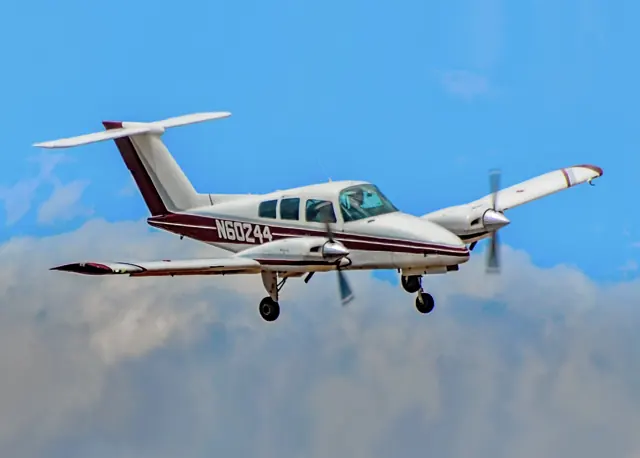
Beechcraft's Model 76, designed to introduce pilots to twin-engine flying.
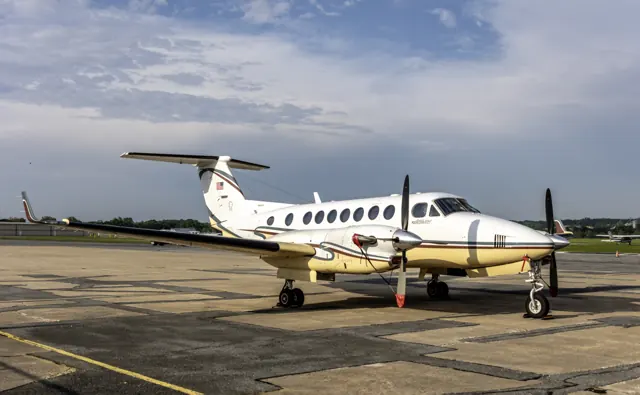
A pressurised touring twin offered with piston engines and later turboprop conversions.
Mechanical yoke controls and pitch-trim relief, with separate twin-propeller, gear and flap cues.
A cabin biplane with the lower wing placed ahead of the upper one.
A radial-engined light transport whose long career covered passengers, freight and military training.
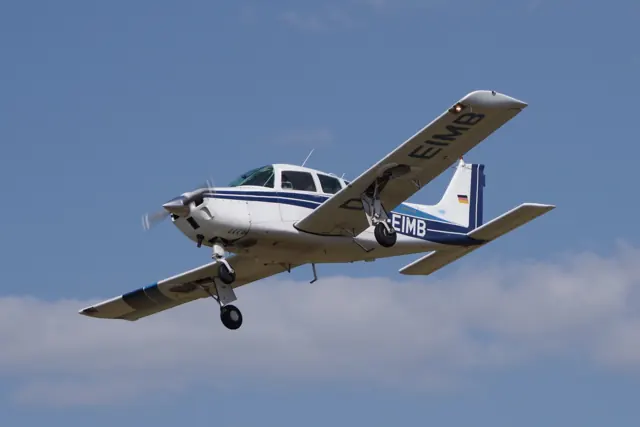
The retractable member of Beechcraft’s Musketeer family: a roomy, four-cylinder travelling aircraft with an unusually large baggage door.
A pressurised twin turboprop with a canard, composite airframe and rear-facing propellers.
Hydraulically assisted cyclic controls with selected friction and trim behaviour, plus two-blade rotor cues.
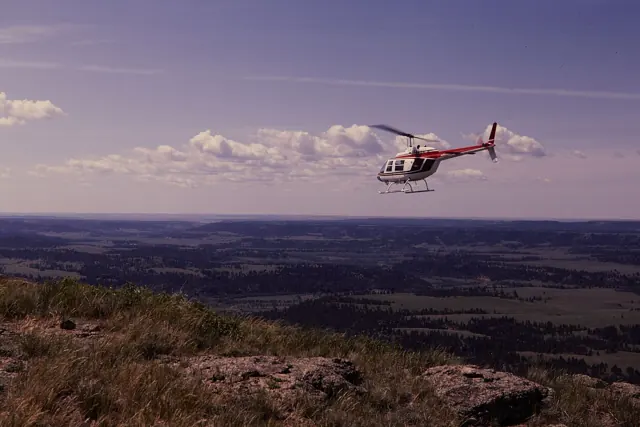
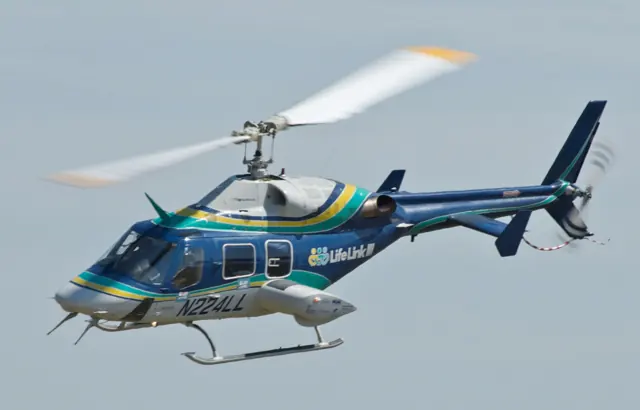
A streamlined light twin helicopter, with the later Bell 230 in the same family.
A four-bladed utility helicopter developed from the LongRanger lineage.
A twin-turbine Huey descendant with a four-blade main rotor.
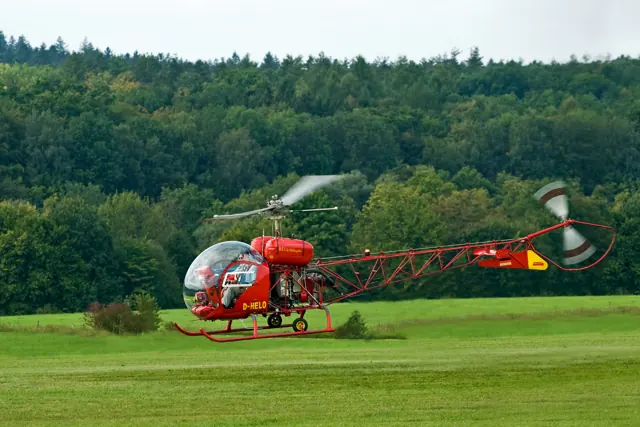
A pioneering light helicopter whose bubble cabin and exposed structure became widely recognisable.
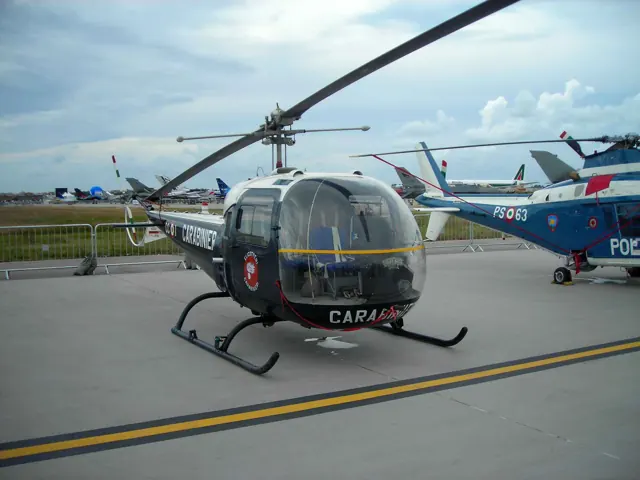
An enclosed-cabin development of the Bell 47, shaped for passenger and executive transport.
The Huey: a turbine-powered utility helicopter with a broad cabin and an unmistakable two-bladed rotor.
A four-engine airliner that brought pressurised-cabin travel into scheduled service.
A four-engine jetliner that helped establish the shape of long-distance jet travel.
A rear-engined trijet built to bring jet service to shorter routes and smaller airports.
Artificial pitch q-feel, spring-and-cam roll resistance, autopilot column following and a stick shaker.
Hydraulically powered controls with artificial yoke feel, autopilot backdrive and a stick shaker.
A narrow-body twin developed as a new generation of medium-range airliner.
A twin-aisle Boeing designed alongside the 757's generation of two-pilot flight decks.
A large long-haul twin that introduced Boeing's first commercial fly-by-wire airliner flight controls.
A long-range twin whose programme emphasised composite construction and more electrically powered systems.
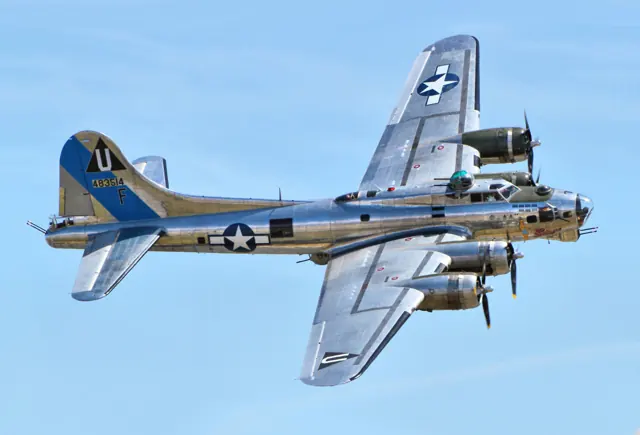
The four-engine Flying Fortress, a major American bomber of the Second World War.
A long-range strategic bomber with a swept wing and eight jet engines in paired pods.
A jet-powered military transport designed for both strategic loads and tactical airfield access.
A heavy transport helicopter whose two large rotors remove the need for a tail rotor.
A carrier-capable multirole fighter, larger than the earlier Hornet from which it developed.
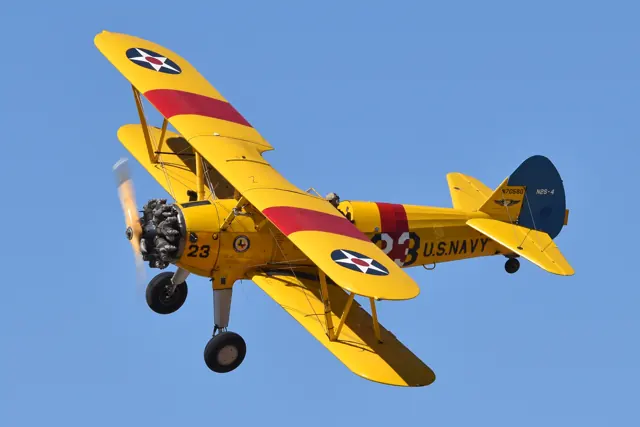
An open-cockpit biplane trainer that found a second life in civilian flying.
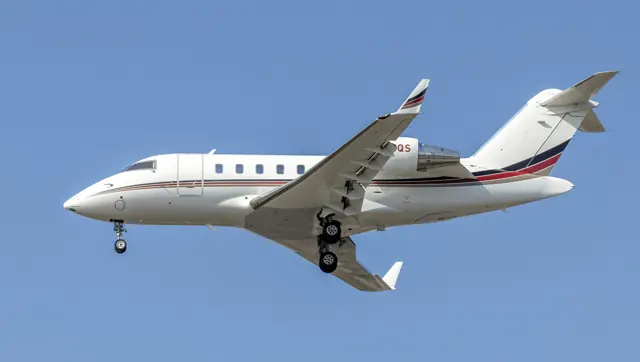
A wide-cabin business-jet family that developed from Canadair's original Challenger programme.
A small three-engine demonstrator created to explore technologies for a future supersonic airliner.
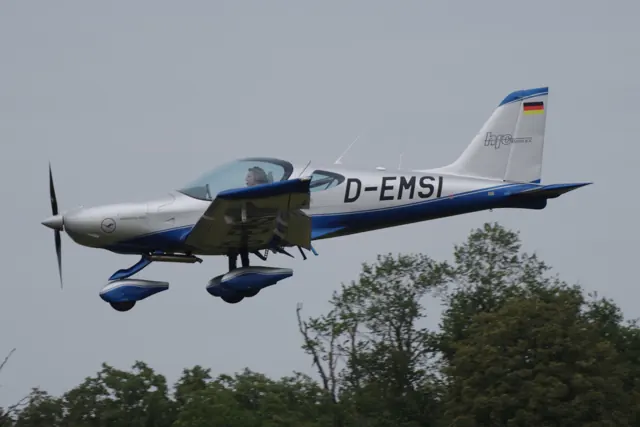
BRM Aero's two-seat B23, represented in MSFS by Airfoillabs.
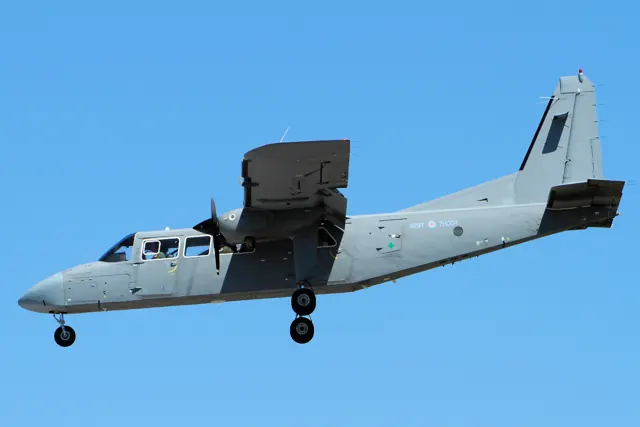
A British utility twin built around short regional and practical transport work.
A Brazilian light trainer with a high wing, tandem seats and a simple utility layout.
A lightweight pusher family with an enclosed cabin and a high, braced wing.
A two-seat training single with a high wing and fixed tricycle landing gear.
Cable-operated yoke controls with airspeed-dependent resistance, pitch-trim relief and a stall-warning horn.
A tailwheel utility single built around a high wing and a substantial working cabin.
A low-wing agricultural Cessna with a cockpit and hopper arranged around the job.
A post-war Businessliner with a radial engine, cabin transport ambitions and tailwheel gear.
The Stationair utility family, combining a high wing with fixed landing gear.
A utility-aircraft family whose stretched 207 branch trades compact proportions for more cabin space.
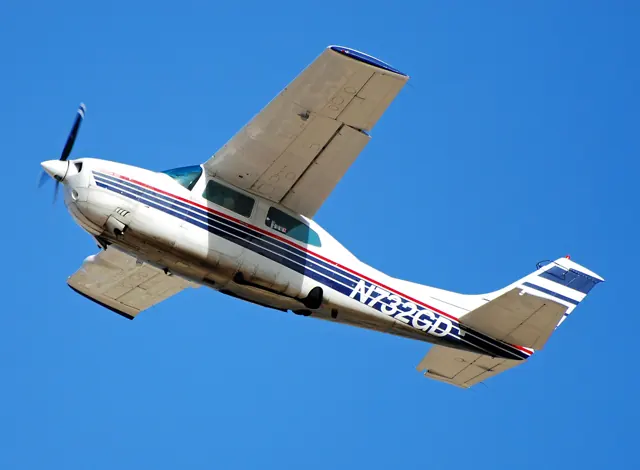
Cessna's retractable-gear Centurion, a high-wing touring aircraft.
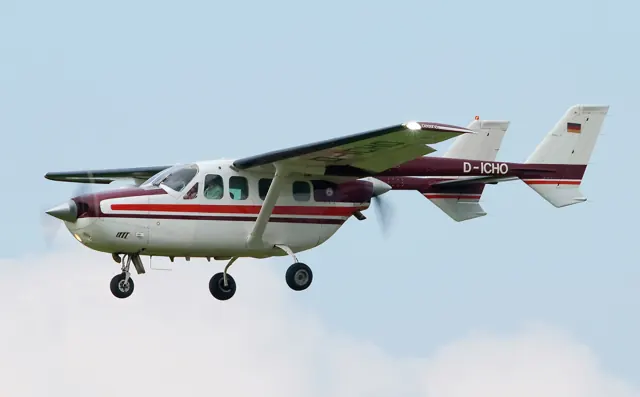
A push-pull twin with one engine at each end of the central fuselage.
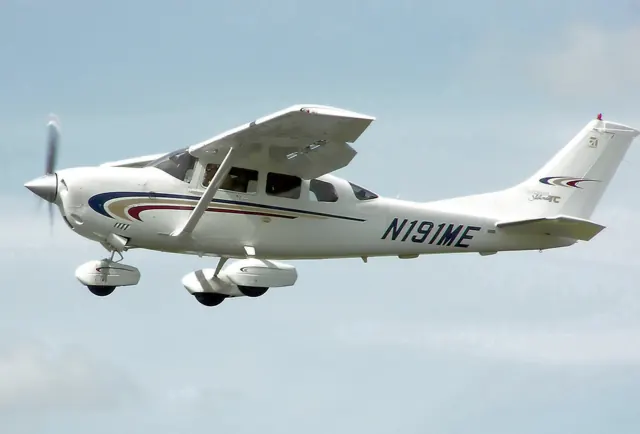
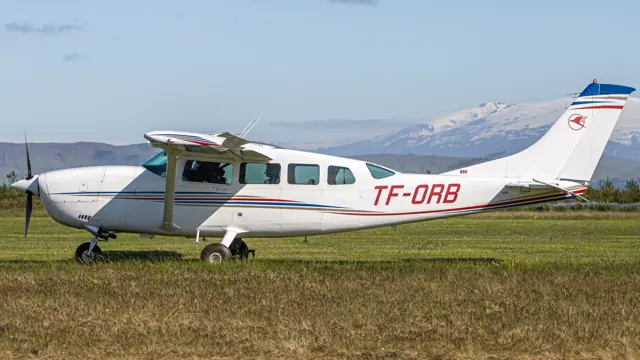
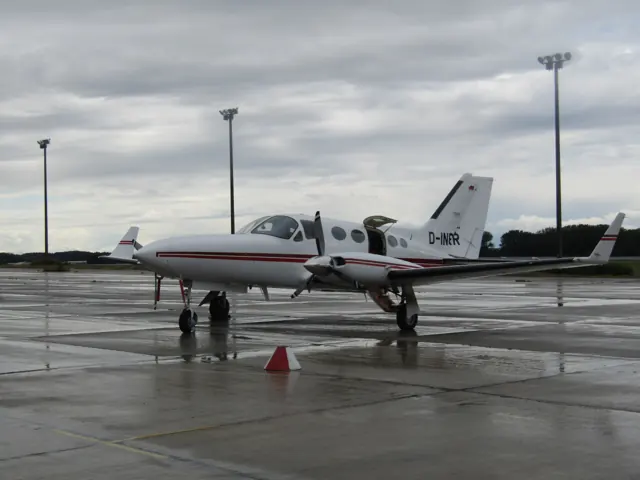
A cabin-class piston twin designed for commuter, cargo and utility work.
A high-wing twin turboprop developed for regional freight and passenger transport.
A pressurised cabin-class piston twin, from the tip-tanked 414 to the longer-wing 414A and its many aftermarket conversions.
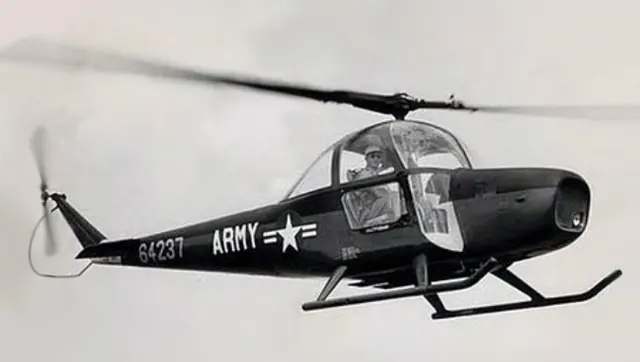
Cessna's unusual piston-powered helicopter, marketed as the Skyhook.
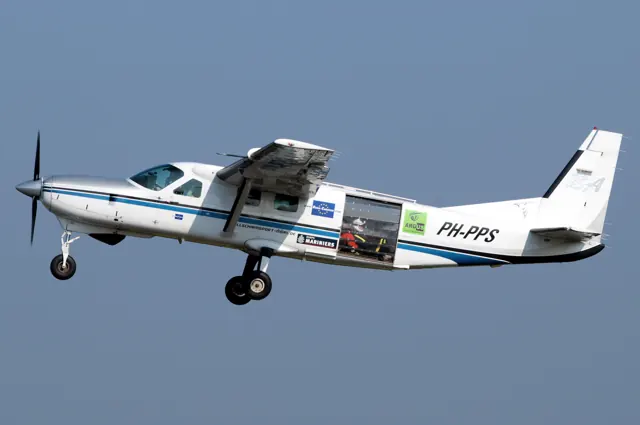
Mechanical yoke controls, roll spoilers and elevator servo tabs, with stronger roll than pitch in the cited Caravan account.
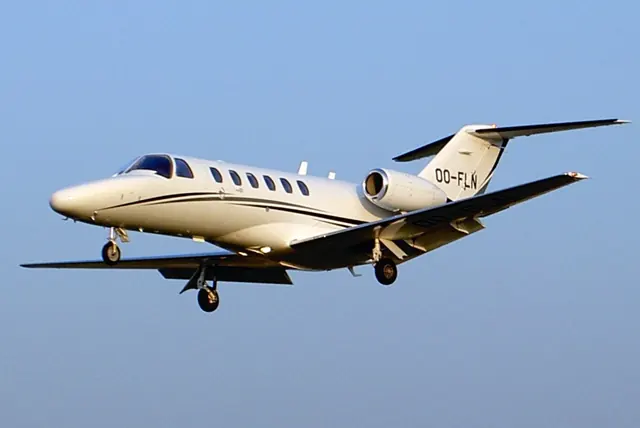
The CJ4 belongs to Cessna's light-jet line, with two rear-mounted engines and a T-tail.
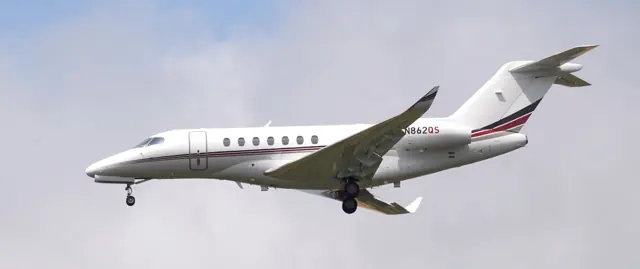
A super-midsize business jet with a swept wing, rear-mounted engines and an integrated glass cockpit.
A swept-wing business jet designed around high subsonic cruise speed.
The Model 525 CitationJet, the starting point of Cessna's CJ and M2 lineage.
Cirrus's first type-certified aircraft, a composite piston single.
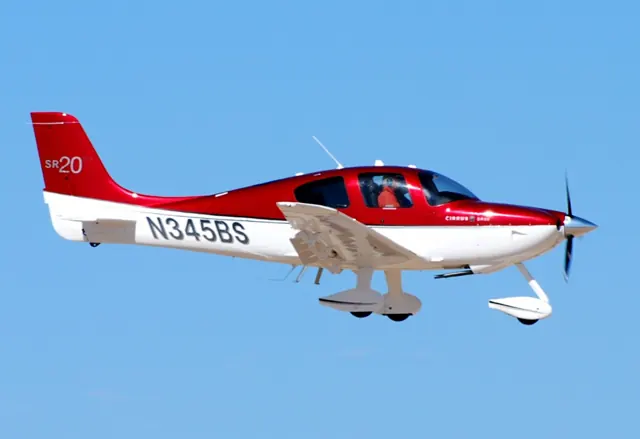
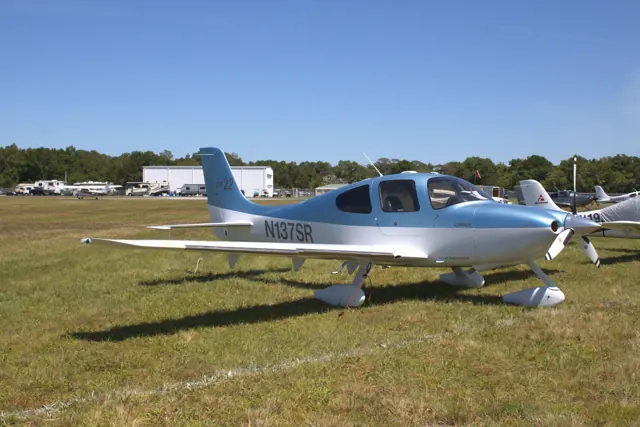
A composite touring single with a whole-aircraft parachute and several generations of avionics.
A personal jet with one engine above the rear fuselage and a distinctive V-tail.
A composite, low-wing touring single with fixed gear and a turbocharged engine.
Mechanical stick controls with pitch-trim relief, airspeed-dependent resistance and low-speed flap cues.
A large twin-radial transport that carried heavy loads through wartime and post-war freight service.
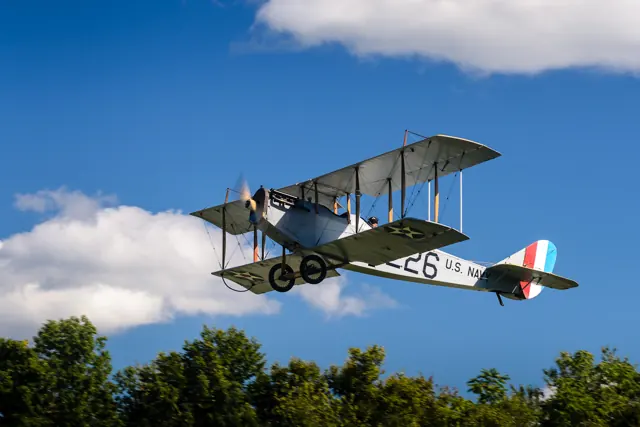
A First World War trainer that became a familiar sight in the barnstorming era.
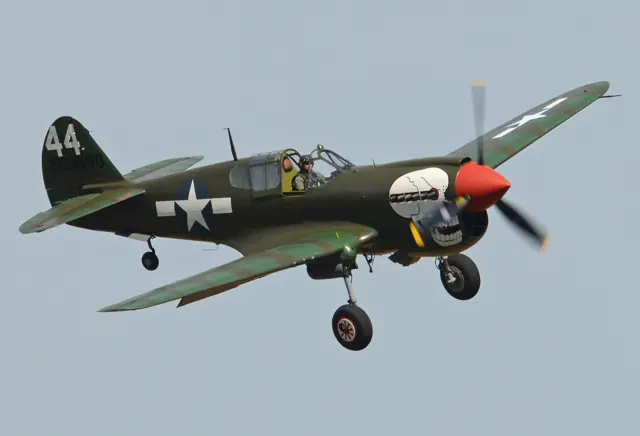
A wartime fighter developed from the earlier Curtiss P-36.
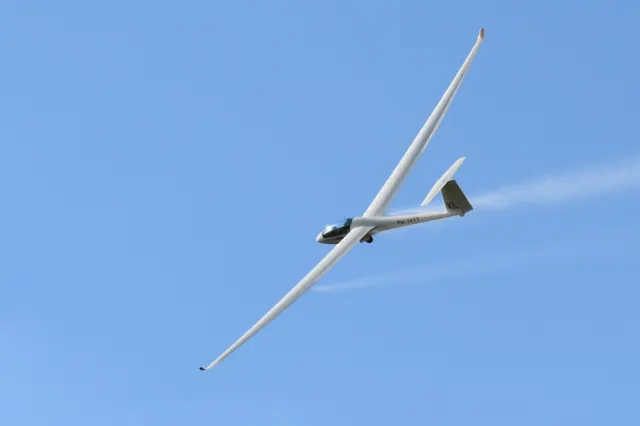
A tandem two-seat sailplane family used for training and cross-country soaring.
A single-seat competition sailplane offered in Standard and 18-metre configurations.
Manual yoke loading and aerodynamic pitch-trim relief, with separate propeller, gear and flap cues.
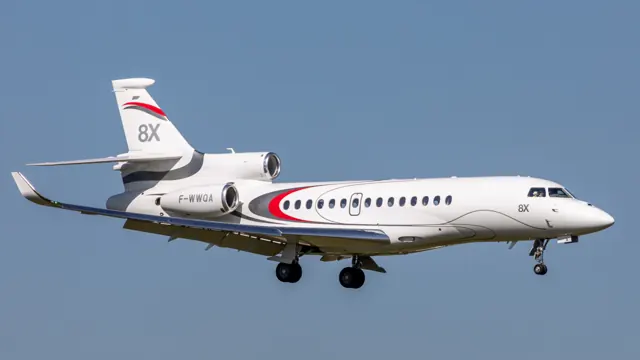
Dassault's long-range Falcon 8X, developed from the three-engine 7X.
A streamlined twin-engine helicopter with a Fenestron tail rotor and retractable landing gear.
An amphibious turboprop designed around scooping water and delivering it to fires.
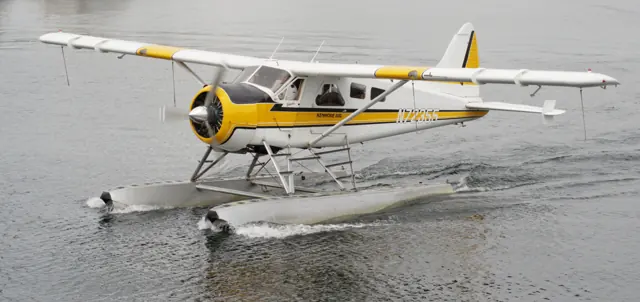
A radial-engined utility aircraft closely associated with bush flying and float operations.
A twin-radial military transport with a rear ramp and short-field design priorities.
A fixed-gear twin turboprop with a long history in regional and remote-area transport.
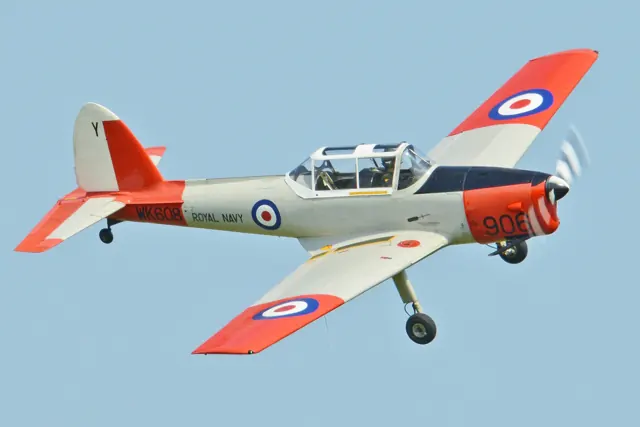
A Canadian tandem-seat trainer developed after the Second World War.
A regional turboprop family whose short early versions and larger Q400 have different proportions and systems.
A two-seat composite trainer with a low wing and a large canopy.
Mechanical stick controls with aerodynamic pitch trim and separately tuned pitch and roll resistance.
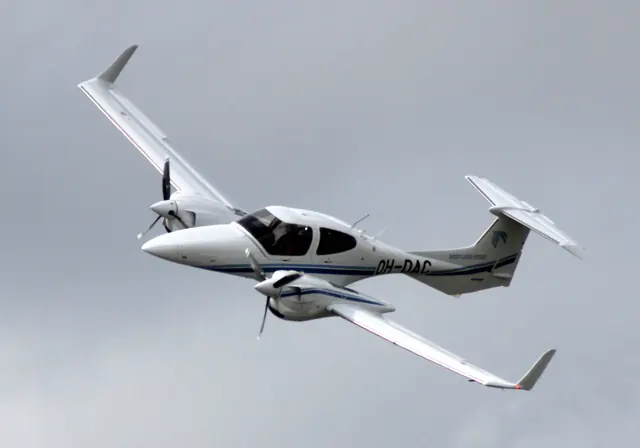
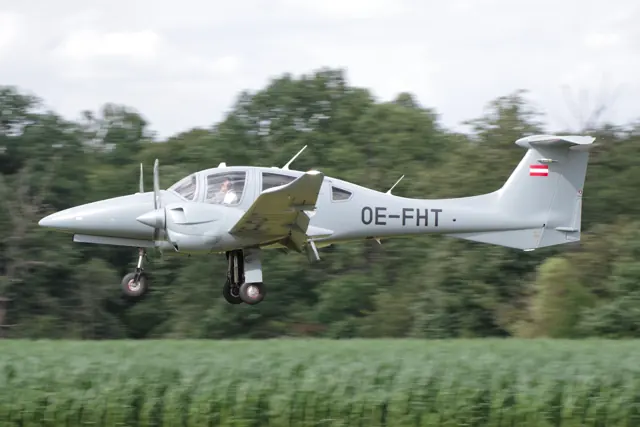
Diamond's four-seat light twin, developed with diesel-powered versions.
A five-seat composite single whose development led to the diesel DA50 RG.
A modern composite twin with a roomy cabin and two wing-mounted piston engines.
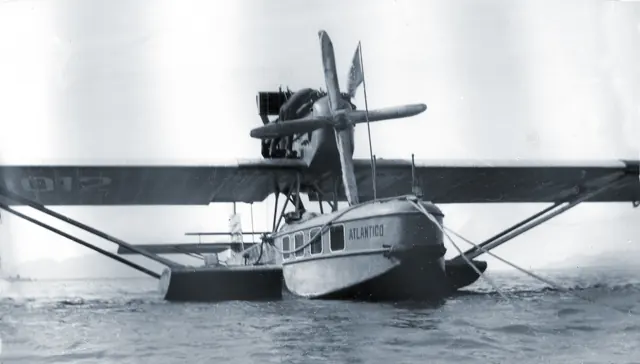
A 1920s flying boat with two engines arranged in tandem above the wing.
A vast inter-war flying boat with twelve engines arranged in six paired installations.
A composite amphibian that carries Dornier's centreline engine arrangement into the turboprop era.
A military transport developed from the DC-3, used for cargo, troops, parachuting and glider towing.
A twin-radial airliner that helped make practical passenger transport a regular business.
A pressurised four-engine piston transport from the last major generation before the jet airliner.
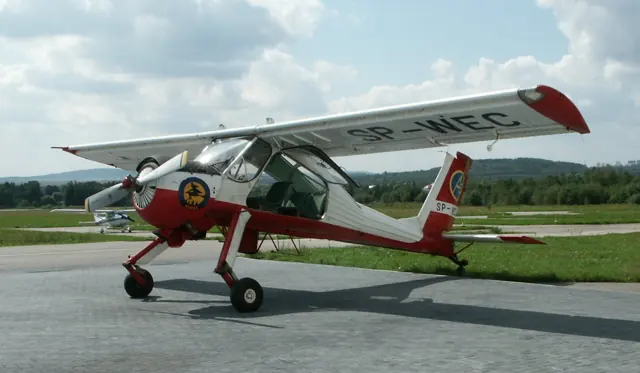
The Wilga is the real-aircraft starting point for Mike Patey's DRACO and the simulator's DRACO X.
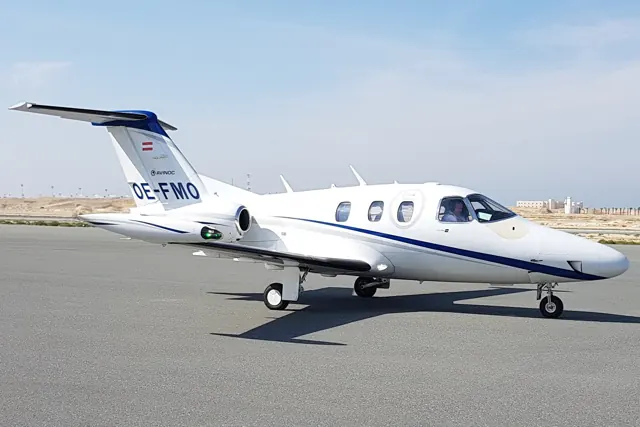
A very light twin jet developed from the Eclipse 500.
A fixed-wing observation aircraft with a helicopter-like view from its glazed nose.
A four-abreast regional-jet family spanning the E170, E175, E190 and E195.
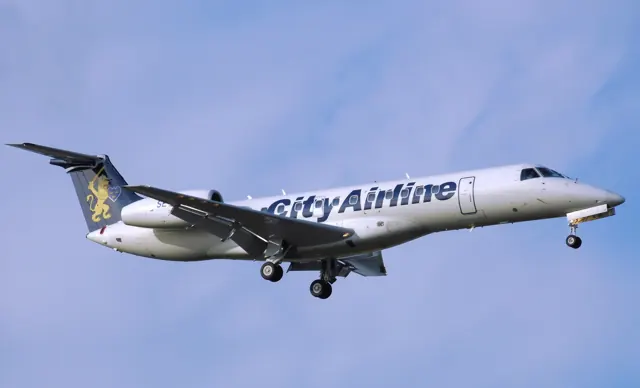
Embraer's regional-jet family, from the ERJ 135 to the longer ERJ 145.
A light business jet with a swept wing, rear-mounted engines and an integrated flight deck.
A six-seat composite single turboprop with a pressurised cabin and retractable gear.
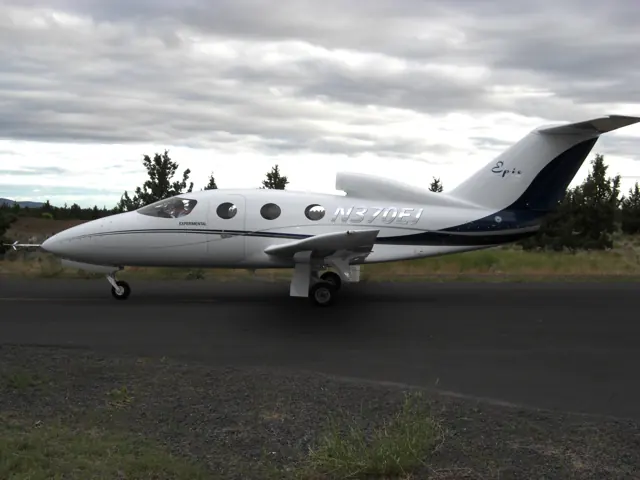
Epic's experimental light-jet project, represented in simulation by Aerobask.
A heavy-lift helicopter built around an open frame and an external working load.
A compact twin-engine helicopter widely used for medical, police and training work.
A purpose-built aerobatic monoplane family developed by pilot and designer Walter Extra.
A close-air-support aircraft with a straight wing, twin tail and two widely separated jet engines.
A two-seat composite light-aircraft family with a high wing and a compact enclosed cabin.
A four-engine airliner whose history also includes long-range maritime military service.
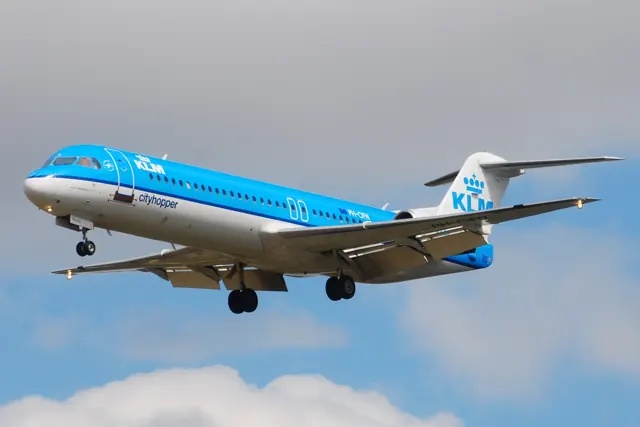
Two related Dutch regional jets developed from the F28 lineage.
A 1920s transport family that developed from a single-engine airliner into a trimotor.
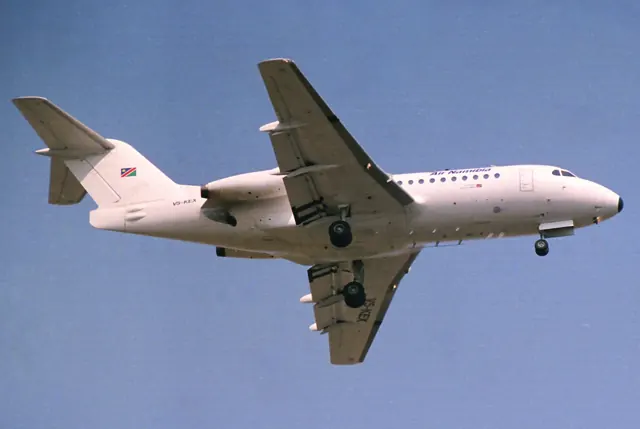
Fokker's short-haul regional jet with rear-mounted engines and a T-tail.
Ford's corrugated-metal, three-engine airline transport.
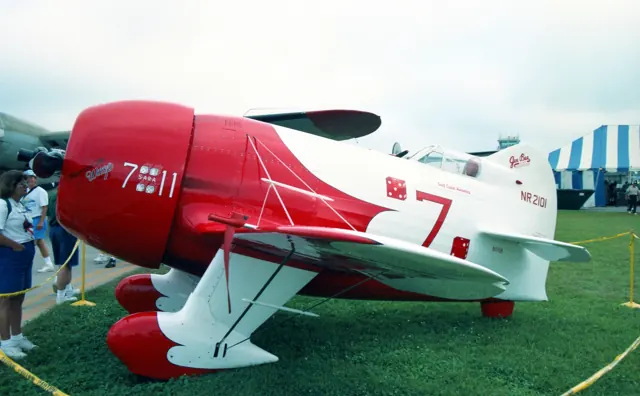
Granville Brothers' racing aircraft, including the Model Z and Model R designs.
Grumman's amphibious maritime-rescue and utility transport family, including the civilian G-111.
A two-seat naval fighter with variable-sweep wings and a cockpit built around pilot and radar-intercept officer roles.
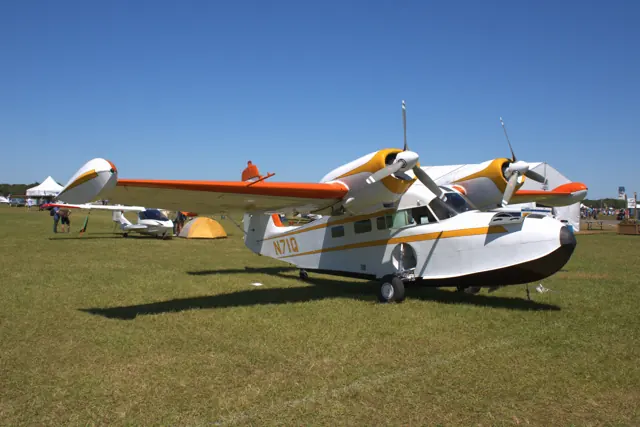
Grumman's twin-engine Goose amphibian, used for business, military and utility flying.
Grumman's smaller twin-engine amphibian, with wartime service and later private and training roles.
Guimbal's two-seat piston training helicopter with a three-bladed main rotor and enclosed tail rotor.
An eight-engine wooden flying-boat prototype that made one brief flight in 1947.
A small observation-helicopter family with a rounded cabin and compact rotor system.
ICON's two-seat recreational amphibian with a boat hull and pusher propeller.
The Czech VL-3 touring aircraft, with side-by-side seats and a composite low-wing airframe.
A pioneering all-metal transport with an enclosed passenger cabin and corrugated skin.
A corrugated-metal transport best known in its three-engine form.
A pressurised four-seat kit aircraft offered with turbine and piston power.
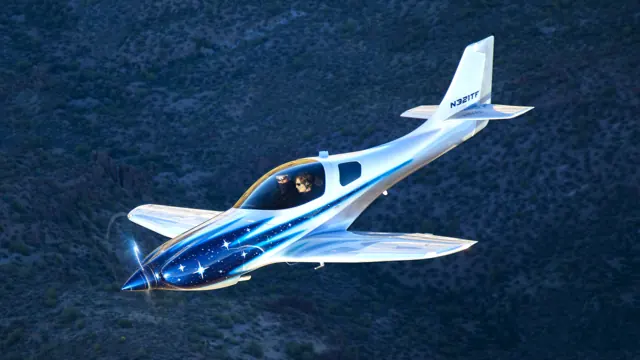
Lancair's two-seat composite kit aircraft, offered with retractable or fixed landing gear.
A six-engine flying boat created for long-distance passenger travel over water.
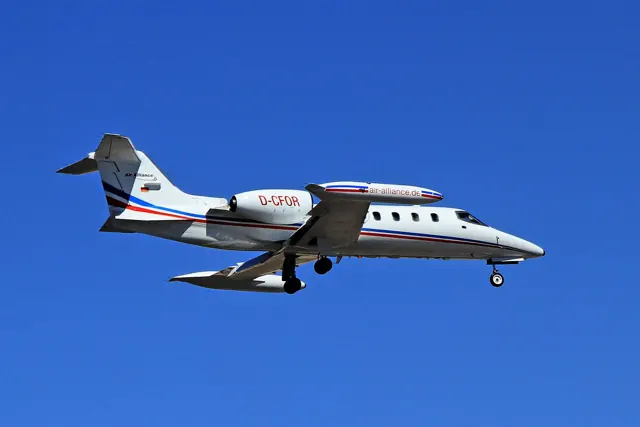
The turbofan Learjet 35/36 family, used for business, military and medical transport.
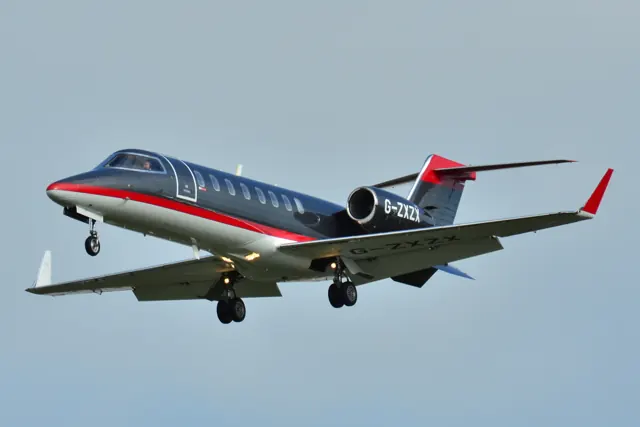
A midsize business jet developed by Bombardier’s Learjet division.
A four-engine tactical transport built around a rear loading ramp and access to austere airfields.
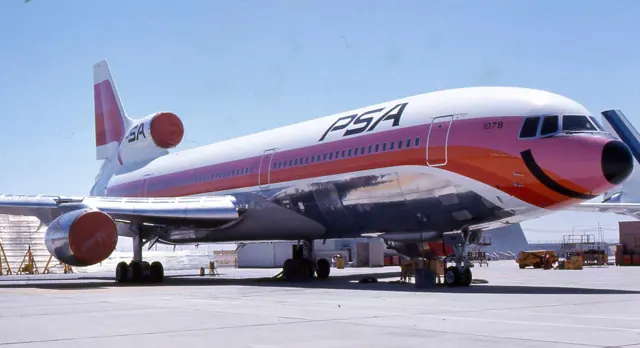
Lockheed's wide-body TriStar, with three RB211 engines and a distinctive tail intake.
Lockheed's high-altitude supersonic strategic reconnaissance aircraft.
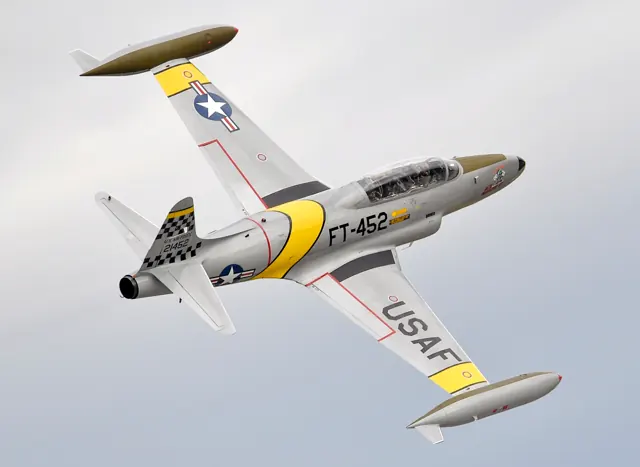
Lockheed's tandem-seat Shooting Star jet trainer.
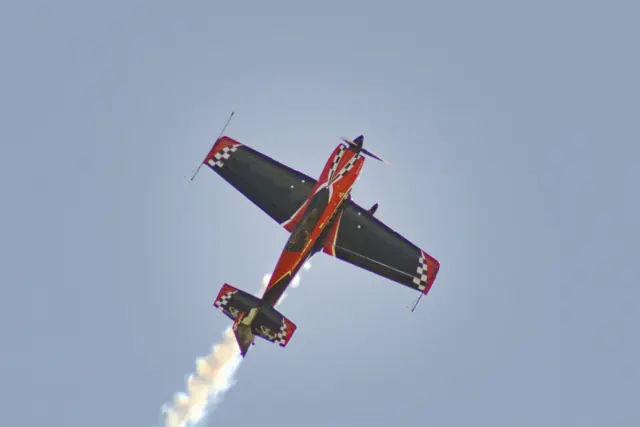
The air-racing development of the carbon-fibre MXS aerobatic monoplane.
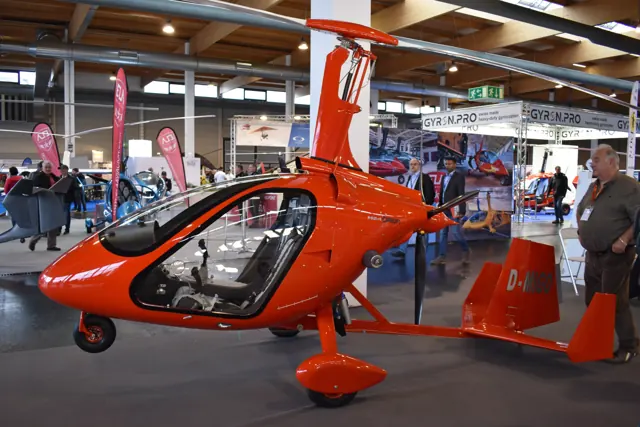
An enclosed, two-seat autogyro with side-by-side seating and a pusher propeller.
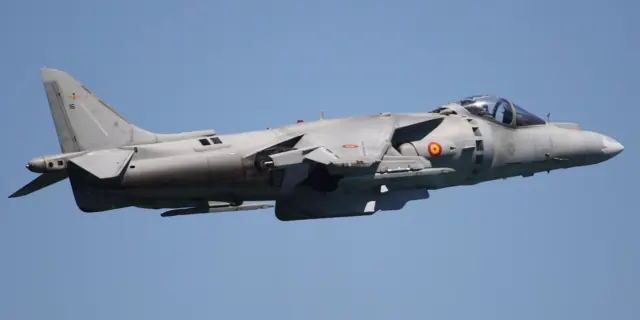
The second-generation Harrier, designed around vectored thrust and short-field operation.
A two-seat, twin-engine fighter that served naval and land-based air forces in many roles.
A DC-10-derived tanker that combined aerial refuelling with passenger and cargo transport.
A long-range trijet developed from the DC-10 with a stretched fuselage and revised wing and cockpit.
A stretched development of the DC-9 with rear-mounted engines and a five-abreast cabin.
An all-metal sport and touring aircraft from Bayerische Flugzeugwerke.
A compact Japanese twin turboprop with a high wing and pressurised cabin.
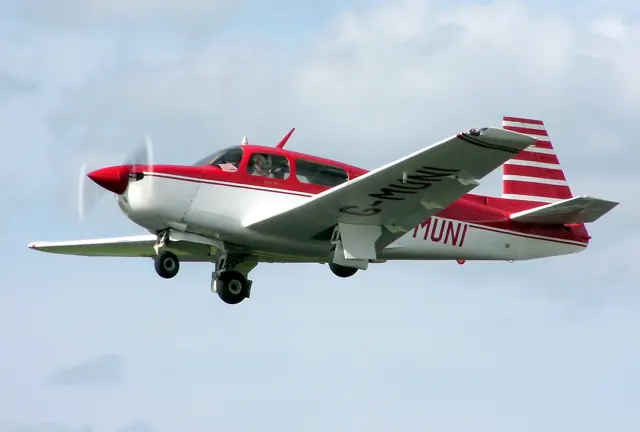
Mooney's four-seat piston family, developed through many touring-aircraft variants.
A French two-seat aerobatic trainer with side-by-side seating and a distinctive curved wing outline.
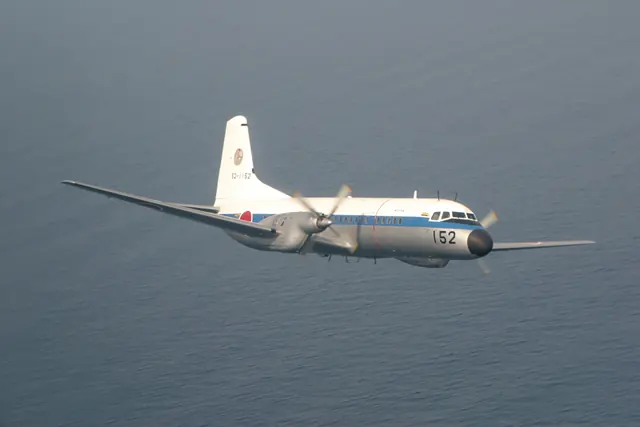
Japan’s postwar regional turboprop, with Rolls-Royce Dart power and a career spanning passenger, freight and specialist government flying.
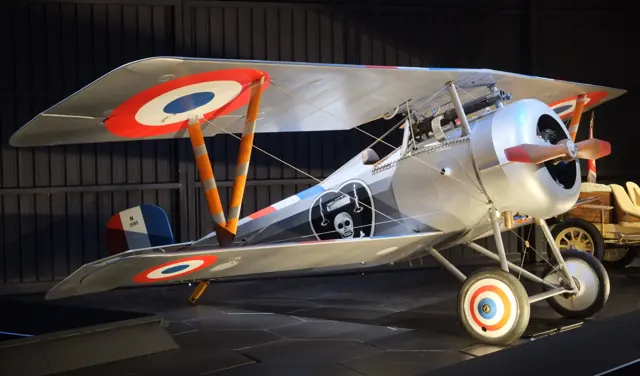
A late member of the Nieuport V-strut scout family, remembered both as a First World War fighter and as an advanced trainer.
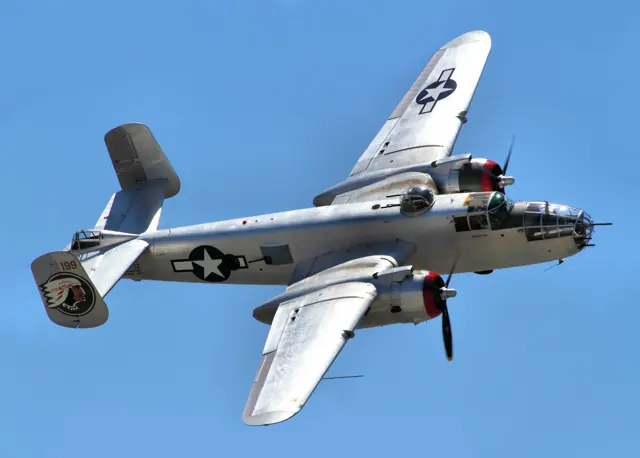
The Mitchell medium bomber, named for aviation advocate Billy Mitchell.
Mechanical warbird controls with speed-dependent stick loading, elevator-trim relief and separate piston-engine cues.
A radial-engine trainer that also served in combat and civilian warbird roles.
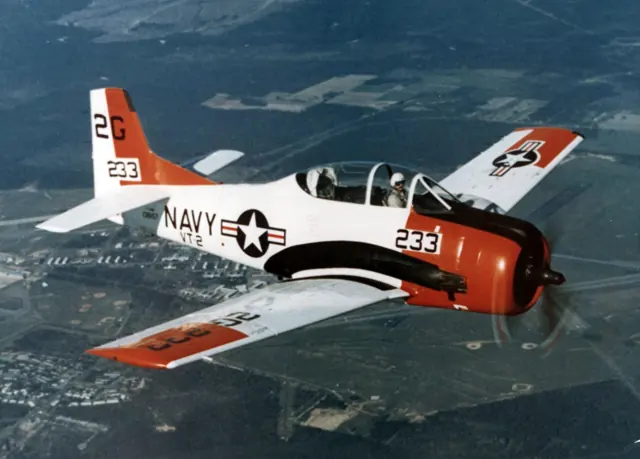
An advanced trainer known around the world as the Texan, Harvard and SNJ.
A Polish utility aircraft designed for short takeoffs and landings.
A European variable-sweep combat-aircraft family with distinct strike and interceptor versions.
A pressurised single turboprop with a large cargo door and a broad range of working roles.
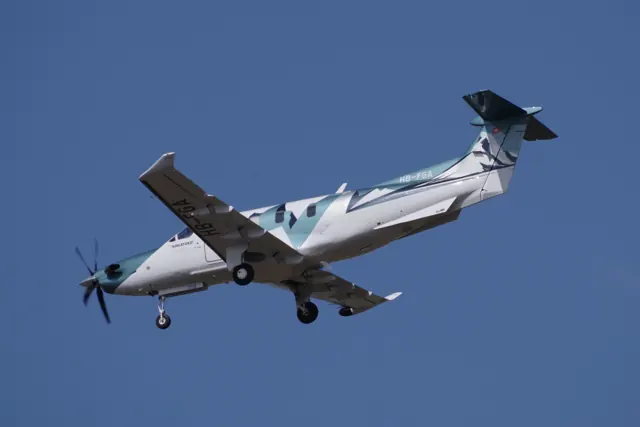
A twin-engine business jet designed to retain some of the utility flexibility associated with the PC-12.
A high-wing utility aircraft known for short-field work and a broad choice of working configurations.
Piper's retractable-gear, all-metal touring single, developed through several engine and seating versions.
A tandem-seat utility aircraft whose light structure and high wing suit bush, towing and recreational work.
A low-wing piston family that spans simple trainers, touring aircraft and retractable-gear Arrows.
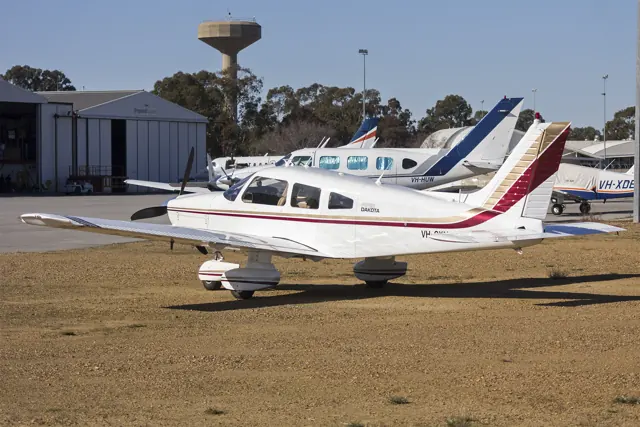
The fixed-gear, six-cylinder touring branch of Piper's PA-28 family.
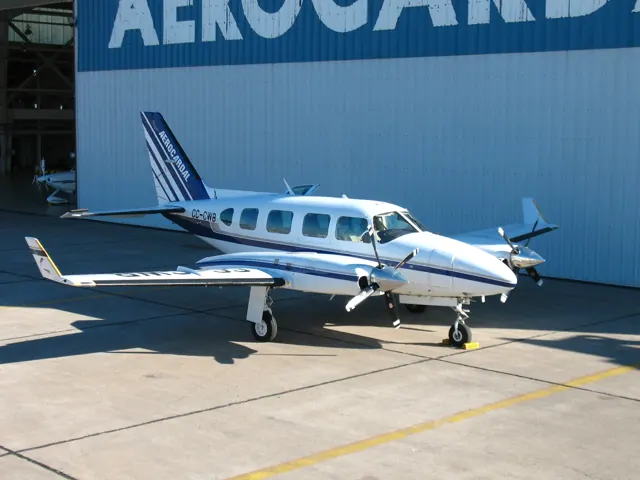
Piper's PA-31 utility twin, used in commuter, cargo and corporate transport.
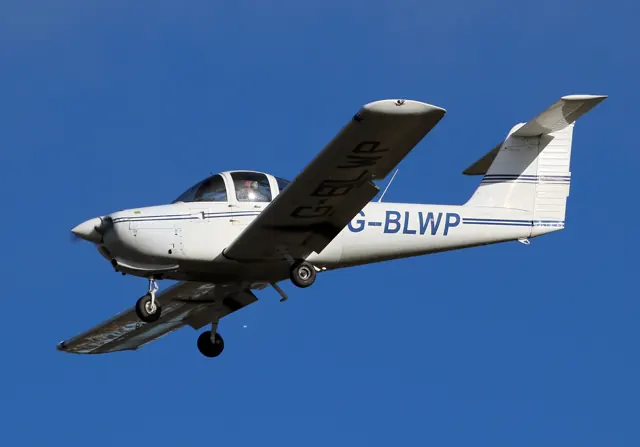
Piper's PA-38-112 two-seat trainer with fixed tricycle landing gear.
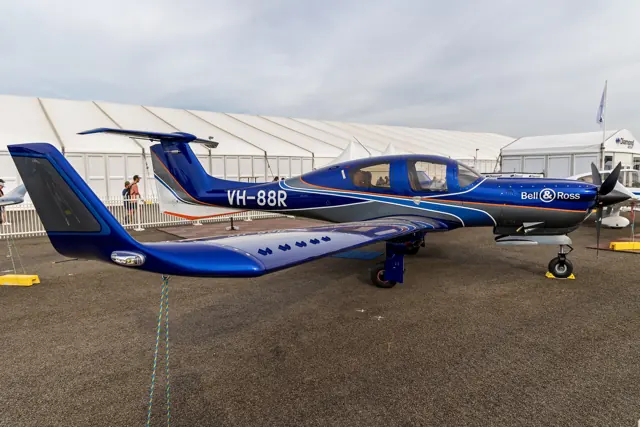
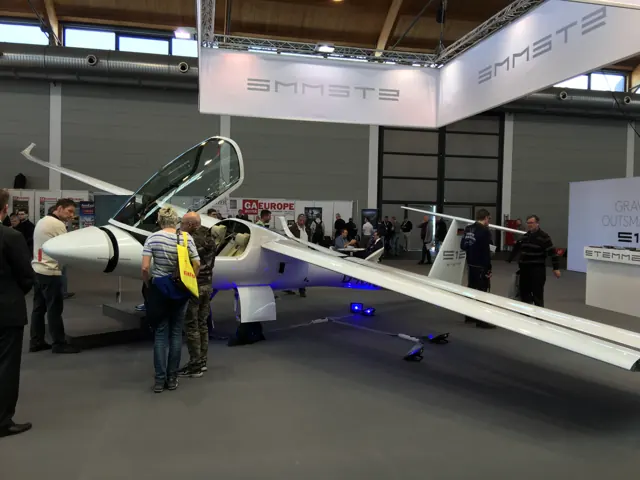
Pipistrel's streamlined four-seat composite-aircraft design.
A side-by-side two-seat sailplane with a retractable powerplant for self-launching.
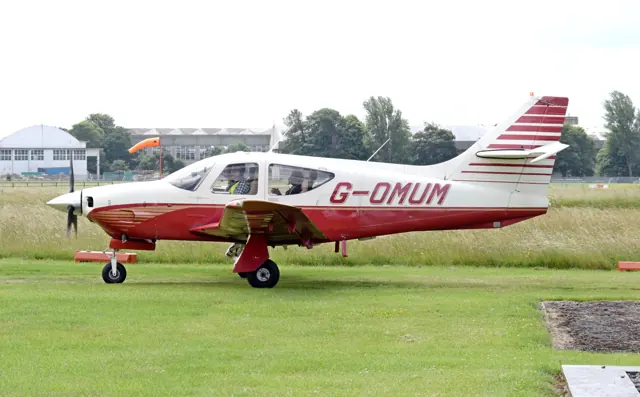
A compact two-seat light aircraft with a high wing and a wide range of development variants.
A compact aerobatic biplane family with both single-seat and tandem-seat branches.
A high-wing utility turboprop for short-field passenger and cargo operations.
A twin-turboprop utility aircraft developed by Reims Aviation with Cessna.
A wooden touring-aircraft family recognisable by the upward-angled outer wing panels.
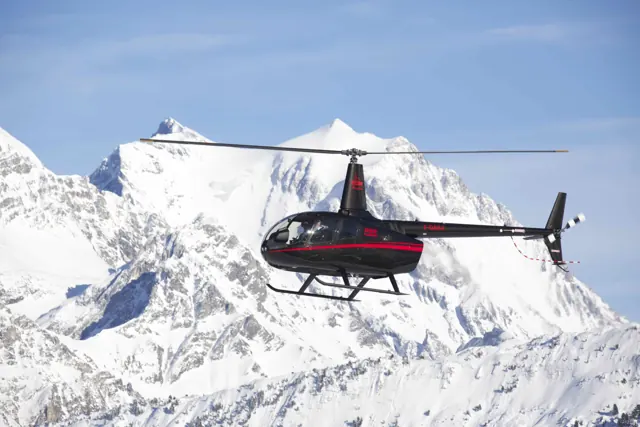
A small two-seat piston helicopter with a two-bladed main rotor.
A five-seat turbine helicopter developed from Robinson's smaller piston-helicopter line.
A four-seat touring family whose Commander 114 added a larger engine and further refinements.
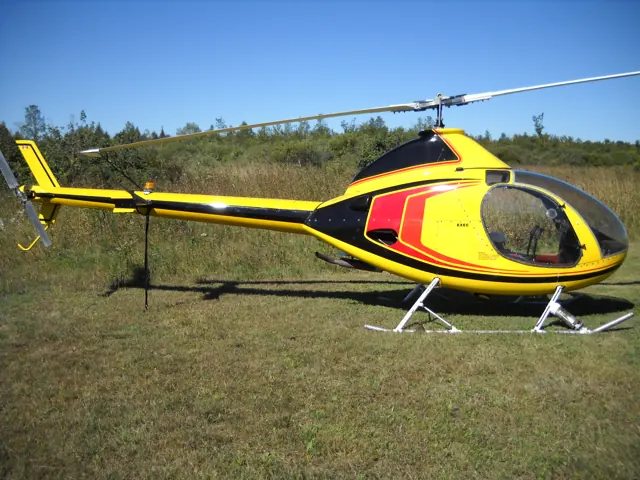
RotorWay's two-seat kit-helicopter family, with piston and turbine simulator interpretations.
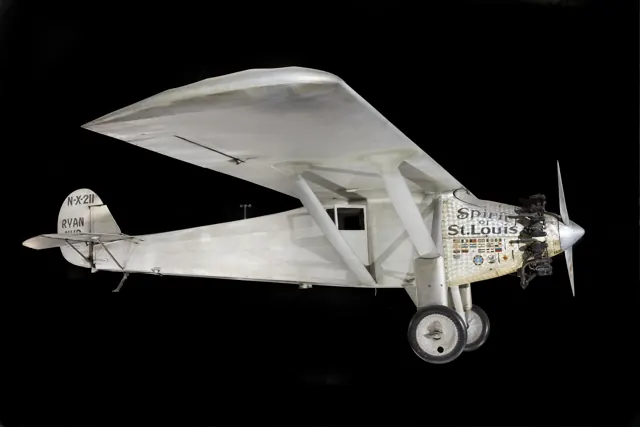
The purpose-built Ryan monoplane used by Charles Lindbergh for his 1927 solo Atlantic crossing.
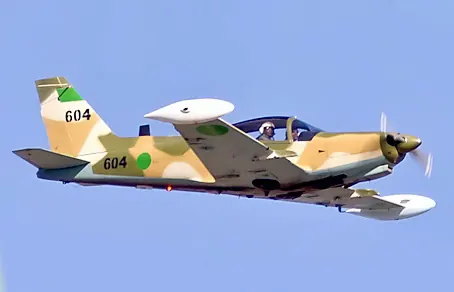
An Italian light aircraft known for military training and aerobatic use.
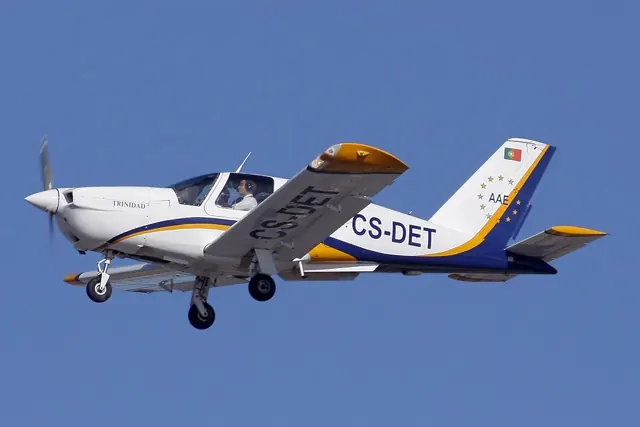
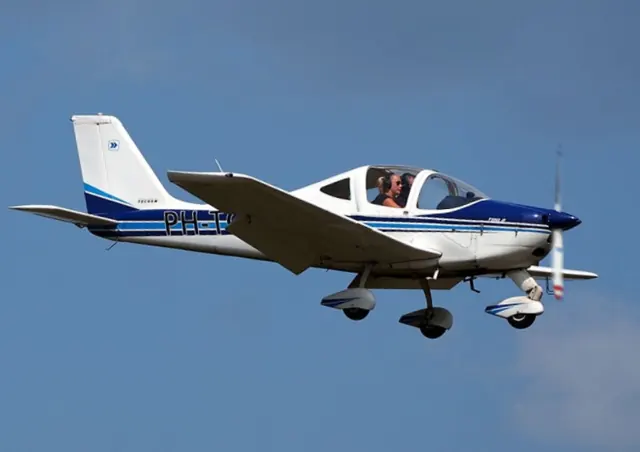
SOCATA's touring-aircraft family, including the Tobago and Trinidad.
A Swedish reconnaissance and dive-bombing aircraft from the early 1940s.
A twin-turboprop regional airliner developed through Swedish and American industrial cooperation.
A twin-hull flying boat with its engines mounted together above the wing.
A tandem two-seat sailplane designed for instruction and broader soaring use.
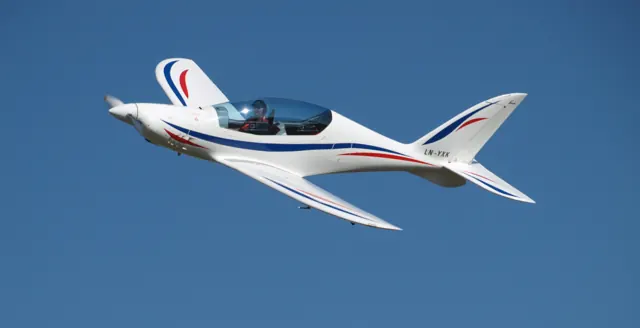
A tandem-seat light aircraft with a streamlined low-wing layout.
Short Brothers' utility turboprop twin with a rectangular cabin and rear loading access.
A medium commercial helicopter designed for passenger and utility transport.
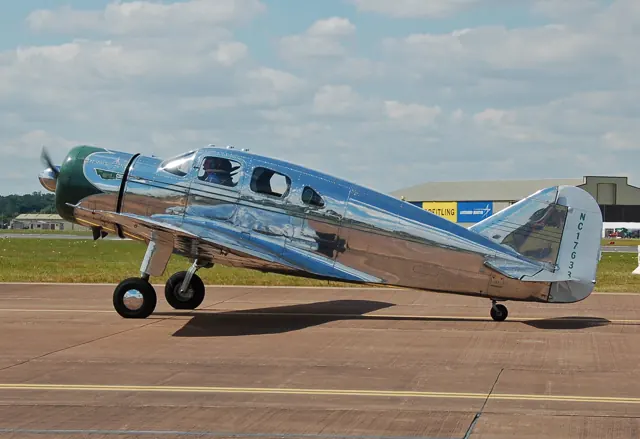
Spartan's late-1930s all-metal cabin aircraft with retractable landing gear.
A self-launching sailplane family with its engine inside the fuselage and a folding nose propeller.
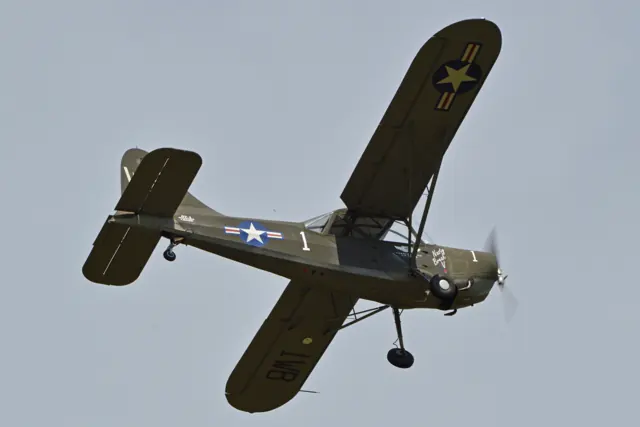
A military liaison aircraft built around a high wing, tandem cabin and short-field utility work.
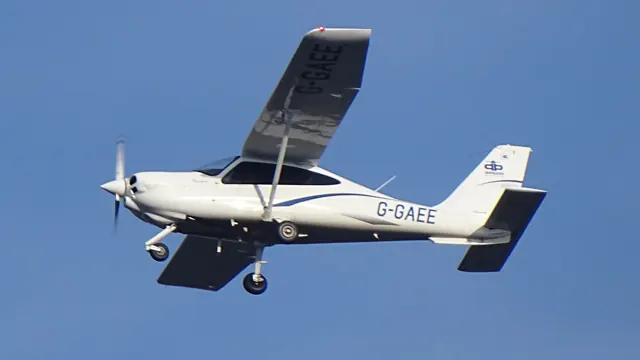
Tecnam's two-seat, low-wing Sierra, introduced in the early 2000s.
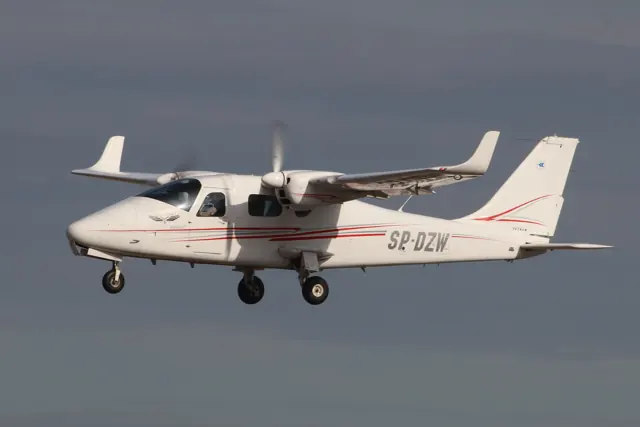
A compact Italian light twin with a shoulder wing and metal airframe.
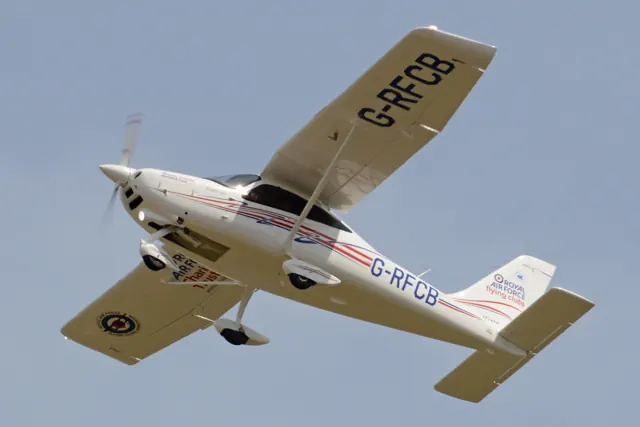
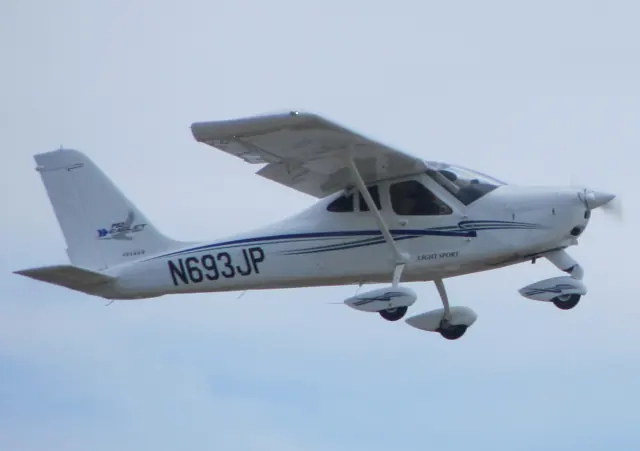
A two-seat Tecnam high-wing aircraft combining composite and metal construction.
Tecnam's four-seat high-wing single, built with metal and carbon-fibre components.
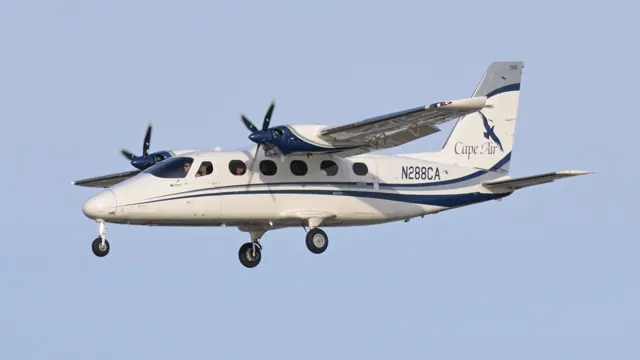
A utility piston twin designed for commuter and specialist transport missions.
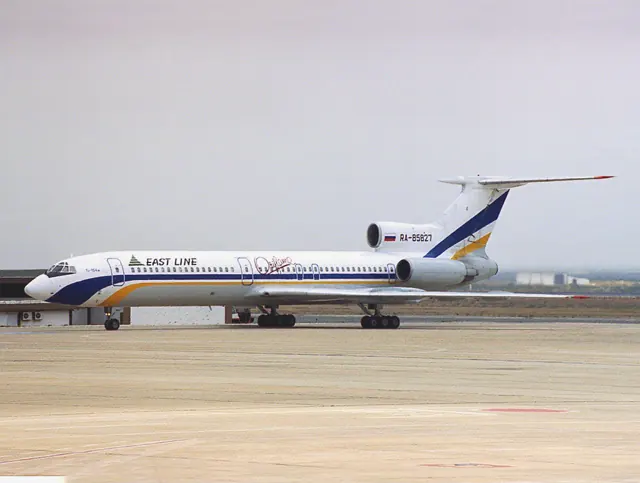
A three-engine airliner that became a mainstay of Soviet and Russian passenger transport.
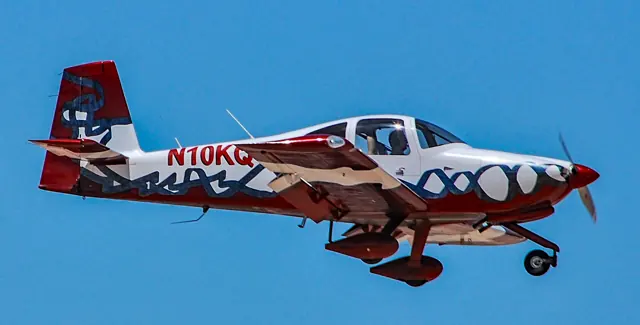
A four-seat kit-built touring aircraft that expanded the RV family beyond two-seat designs.
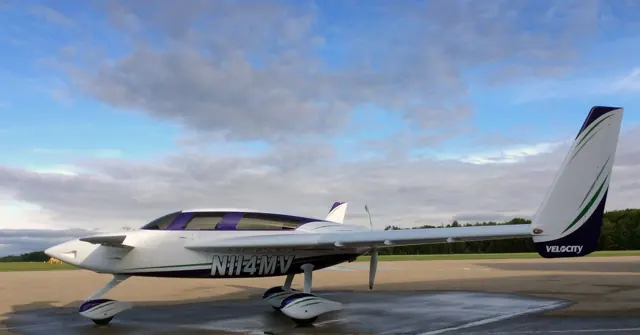
An enlarged Velocity kit aircraft with a canard and rear-mounted pusher propeller.
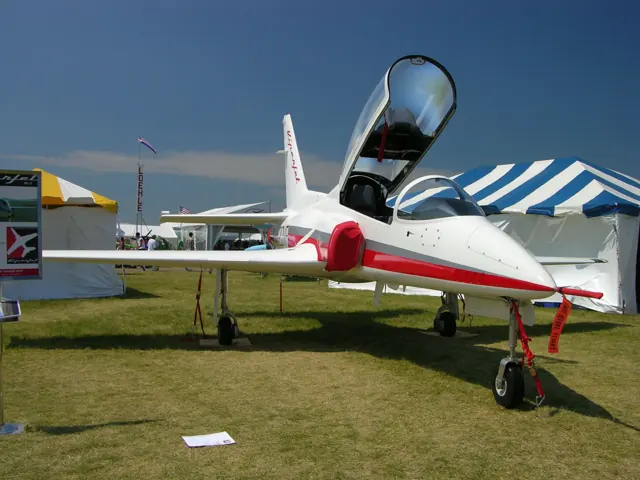
A tandem-seat homebuilt jet with composite construction and retractable landing gear.
An unpowered military cargo glider designed to deliver troops and equipment behind a tow aircraft.
A light turbine helicopter whose land-based Scout and naval Wasp branches served different jobs.
A single-seat aerobatic monoplane that also became a familiar air-racing aircraft.
Zlin Aviation's tandem-seat recreational taildragger with a braced high wing.
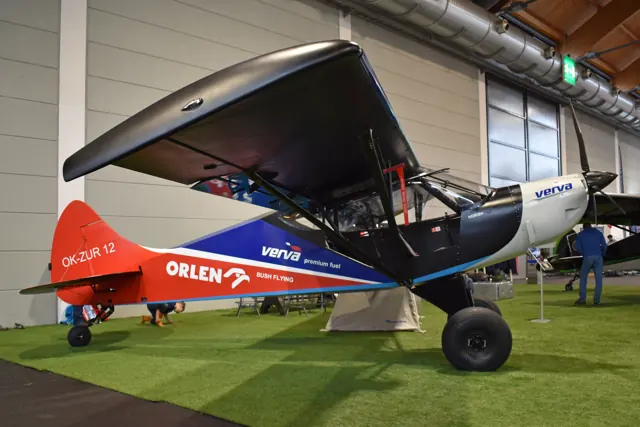
A short-field Savage with leading-edge slats and a distinct Got Friends simulator implementation.
A lightweight short-field aircraft with a specialised wing and tall, shock-absorbing landing gear.
New aircraft, useful sources and improvements to AirframeDB. Occasional updates, when there’s something to share.