X-Plane
Boeing 767 ↗
A twin-aisle Boeing designed alongside the 757's generation of two-pilot flight decks.
1 implementations+ Compare
Explore the aircraft. Find your simulator. Follow the sources.
A twin-aisle Boeing designed alongside the 757's generation of two-pilot flight decks.
A heavy transport helicopter whose two large rotors remove the need for a tail rotor.
A high-wing utility turboprop designed for short-field passenger and cargo work.
A Polish utility aircraft designed for short takeoffs and landings.
Avro's delta-wing bomber, developed for Britain's postwar strategic force.
Cirrus's first type-certified aircraft, a composite piston single.
A British jet trainer with tandem seating and a long military training career.
A small two-seat piston helicopter with a two-bladed main rotor.
Beechcraft's Model 76, designed to introduce pilots to twin-engine flying.
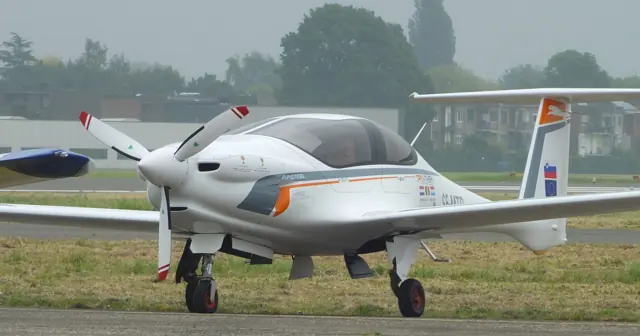
Pipistrel's streamlined four-seat composite-aircraft design.
A military liaison aircraft built around a high wing, tandem cabin and short-field utility work.
A four-abreast regional-jet family spanning the E170, E175, E190 and E195.
An advanced trainer known around the world as the Texan, Harvard and SNJ.
Dassault's long-range Falcon 8X, developed from the three-engine 7X.
A compact twin-engine transport helicopter with retractable gear and a long development history.
A small observation-helicopter family with a rounded cabin and compact rotor system.
A four-seat high-wing single that spans generations of conventional instruments and glass cockpits.
A two-seat, twin-engine fighter that served naval and land-based air forces in many roles.
A wooden touring-aircraft family recognisable by the upward-angled outer wing panels.
A two-seat composite kit aircraft developed from the Lancair 320.
A regional turboprop family whose short early versions and larger Q400 have different proportions and systems.
TorqueSim's Pocket Rocket, a simulated PT6-powered light aircraft with two gear layouts.
The four-engine Flying Fortress, a major American bomber of the Second World War.
A personal jet with one engine above the rear fuselage and a distinctive V-tail.
This is AirframeDB’s first release. More features and aircraft research are planned. Leave your email if you’d like occasional updates.