MSFS X-Plane
Columbia 400 / Cessna Corvalis ↗
A composite, low-wing touring single with fixed gear and a turbocharged engine.
2 implementations+ Compare
Explore the aircraft. Find your simulator. Follow the sources.
A composite, low-wing touring single with fixed gear and a turbocharged engine.
A two-seat composite kit aircraft developed from the Lancair 320.
A single-engine turboprop workhorse for passenger services, freight and remote-area transport.
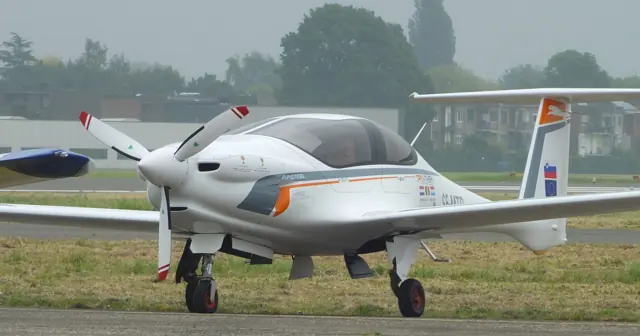
Pipistrel's streamlined four-seat composite-aircraft design.
A British jet trainer with tandem seating and a long military training career.
A three-engine airliner that became a mainstay of Soviet and Russian passenger transport.
A medium commercial helicopter designed for passenger and utility transport.
A personal jet with one engine above the rear fuselage and a distinctive V-tail.
A tandem-seat homebuilt jet with composite construction and retractable landing gear.
A high-wing utility aircraft known for short-field work and a broad choice of working configurations.
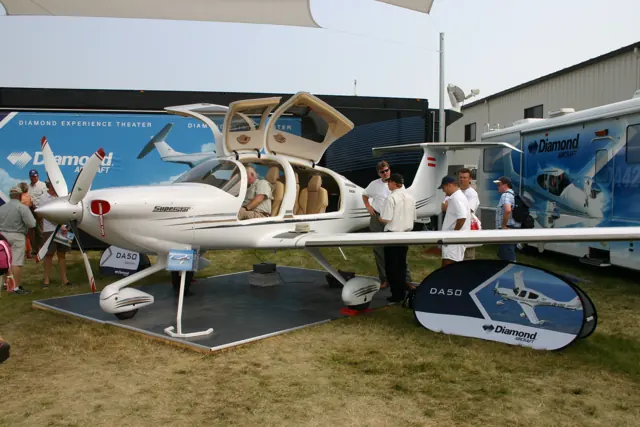
A five-seat composite single whose development led to the diesel DA50 RG.
A composite touring single with a whole-aircraft parachute and several generations of avionics.
Avro's delta-wing bomber, developed for Britain's postwar strategic force.
A single-engine utility helicopter known as the Écureuil, Squirrel and AStar.
A very light twin jet developed from the Eclipse 500.
A long-haul twin whose family spans passenger, freight and specialist transport roles.
The four-engine Flying Fortress, a major American bomber of the Second World War.
A small two-seat piston helicopter with a two-bladed main rotor.
Piper's PA-31 utility twin, used in commuter, cargo and corporate transport.
A twin-turbine Huey descendant with a four-blade main rotor.
A four-seat high-wing single that spans generations of conventional instruments and glass cockpits.
A two-seat, twin-engine fighter that served naval and land-based air forces in many roles.
A two-seat composite trainer with a low wing and a large canopy.
A heavy transport helicopter whose two large rotors remove the need for a tail rotor.
This is AirframeDB’s first release. More features and aircraft research are planned. Leave your email if you’d like occasional updates.