MSFS
Mudry CAP 10 ↗
A French two-seat aerobatic trainer with side-by-side seating and a distinctive curved wing outline.
2 implementations+ Compare
Explore the aircraft. Find your simulator. Follow the sources.
A French two-seat aerobatic trainer with side-by-side seating and a distinctive curved wing outline.
Piper's two-seat trainer with fixed tricycle landing gear.
A two-seat Tecnam high-wing aircraft combining composite and metal construction.
A radial-engined utility aircraft closely associated with bush flying and float operations.
A single-seat competition sailplane offered in Standard and 18-metre configurations.
A personal jet with one engine above the rear fuselage and a distinctive V-tail.
Cessna's unusual piston-powered helicopter, marketed as the Skyhook.
A box-shaped utility twin whose cabin and rear access are central to its design.
A lightweight short-field aircraft with a specialised wing and tall, shock-absorbing landing gear.
A four-abreast regional-jet family spanning the E170, E175, E190 and E195.
Two related Dutch regional jets developed from the F28 lineage.
A short-field Savage with leading-edge slats and a distinct Got Friends simulator implementation.
A tandem-seat light aircraft with a streamlined low-wing layout.
A single-seat aerobatic monoplane that also became a familiar air-racing aircraft.
A high-wing utility turboprop designed for short-field passenger and cargo work.
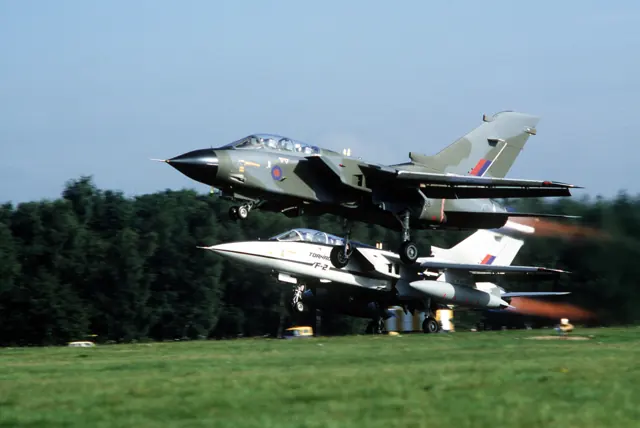
A European variable-sweep combat-aircraft family with distinct strike and interceptor versions.
A shorter wide-body Airbus from the transition to two-pilot, electronic-instrument cockpits.
A composite, low-wing touring single with fixed gear and a turbocharged engine.
An enlarged Velocity kit aircraft with a canard and rear-mounted pusher propeller.
Mooney's four-seat piston family, developed through many touring-aircraft variants.
The purpose-built Ryan monoplane used by Charles Lindbergh for his 1927 solo Atlantic crossing.
A four-seat high-wing single that spans generations of conventional instruments and glass cockpits.
A twin-turboprop family whose smaller conventional-tail and larger T-tail branches have distinct identities.
A stretched development of the DC-9 with rear-mounted engines and a five-abreast cabin.
This is AirframeDB’s first release. More features and aircraft research are planned. Leave your email if you’d like occasional updates.