MSFS
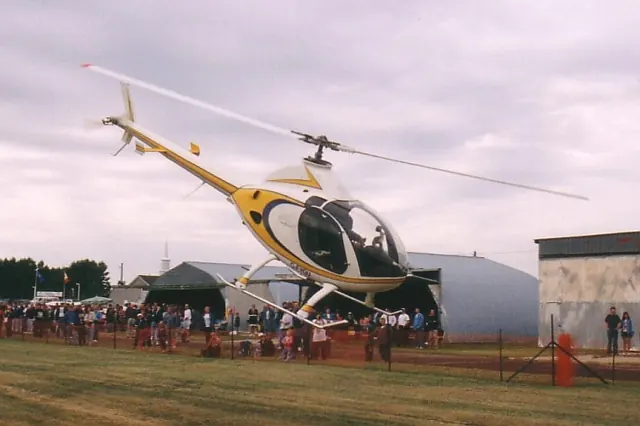
Cessna CH-1 Skyhook ↗
Cessna's unusual piston-powered helicopter, marketed as the Skyhook.
1 implementations+ Compare
Explore the aircraft. Find your simulator. Follow the sources.
Cessna's unusual piston-powered helicopter, marketed as the Skyhook.
A small two-seat piston helicopter with a two-bladed main rotor.
A four-engine Airbus wide-body developed in parallel with the A330.
Regional flying built around a high wing, two turboprops and short sectors.
A small twin-engine amphibian that moved from business transport into military and utility service.
Piper's two-seat trainer with fixed tricycle landing gear.
A four-seat high-wing single that spans generations of conventional instruments and glass cockpits.
A four-seat touring family whose Commander 114 added a larger engine and further refinements.
A two-seat composite kit aircraft developed from the Lancair 320.
A two-seat light amphibian with a compact boat hull and a pusher propeller.
A medium commercial helicopter designed for passenger and utility transport.
An amphibious turboprop designed around scooping water and delivering it to fires.
A twin-turbine Huey descendant with a four-blade main rotor.
A 1920s transport family that developed from a single-engine airliner into a trimotor.
A heavy-lift helicopter built around an open frame and an external working load.
A twin-turboprop utility aircraft developed by Reims Aviation with Cessna.
A tandem-seat homebuilt jet with composite construction and retractable landing gear.
A utility-aircraft family whose stretched 207 branch trades compact proportions for more cabin space.
A self-launching sailplane family with its engine inside the fuselage and a folding nose propeller.
The purpose-built Ryan monoplane used by Charles Lindbergh for his 1927 solo Atlantic crossing.
RotorWay's two-seat kit-helicopter family, with piston and turbine simulator interpretations.
Tecnam's four-seat high-wing single, built with metal and carbon-fibre components.
Ted Smith's piston twin, later produced by Piper as the Aerostar.
A vast inter-war flying boat with twelve engines arranged in six paired installations.
This is AirframeDB’s first release. More features and aircraft research are planned. Leave your email if you’d like occasional updates.