MSFS
Cessna CH-1 Skyhook ↗
Cessna's unusual piston-powered helicopter, marketed as the Skyhook.
1 implementations+ Compare
Explore the aircraft. Find your simulator. Follow the sources.
Cessna's unusual piston-powered helicopter, marketed as the Skyhook.
A shorter wide-body Airbus from the transition to two-pilot, electronic-instrument cockpits.
A modern medium twin-engine helicopter developed as a successor to the Dauphin line.
A 1920s transport family that developed from a single-engine airliner into a trimotor.
A huge wooden flying-boat prototype that made one brief flight in 1947.
A tandem-seat homebuilt jet with composite construction and retractable landing gear.
The purpose-built Ryan monoplane used by Charles Lindbergh for his 1927 solo Atlantic crossing.
A light turbine helicopter whose land-based Scout and naval Wasp branches served different jobs.
An enclosed-cabin development of the Bell 47, shaped for passenger and executive transport.
Piper's PA-31 utility twin, used in commuter, cargo and corporate transport.
A long-range trijet developed from the DC-10 with a stretched fuselage and revised wing and cockpit.
A family of single-aisle airliners built around sidesticks, electronic flight controls and a shared cockpit.
A French two-seat aerobatic trainer with side-by-side seating and a distinctive curved wing outline.
The JetRanger and LongRanger family: a familiar turbine-helicopter shape with distinct cabin lengths.
A DC-10-derived tanker that combined aerial refuelling with passenger and cargo transport.
A high-wing utility turboprop designed for short-field passenger and cargo work.
A hybrid-electric regional-airliner concept represented in the simulator while the real programme develops.
A short-haul jet family that evolved through several generations of engines, wings and flight decks.
A small twin-engine amphibian that moved from business transport into military and utility service.
An amphibious turboprop designed around scooping water and delivering it to fires.
A pioneering light helicopter whose bubble cabin and exposed structure became widely recognisable.
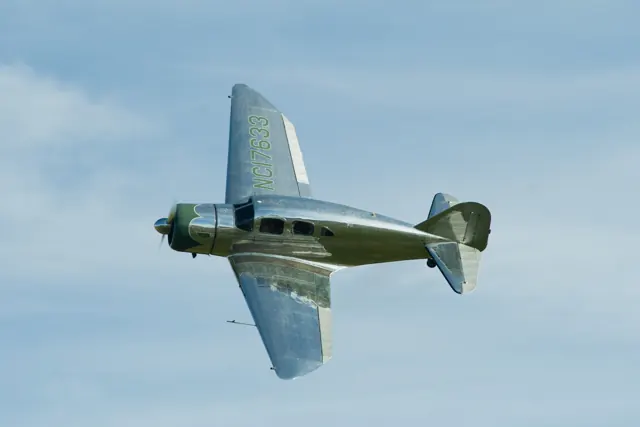
A late-1930s cabin aircraft with metal construction and retractable landing gear.
A British utility twin built around short regional and practical transport work.
A push-pull twin with one engine at each end of the central fuselage.
This is AirframeDB’s first release. More features and aircraft research are planned. Leave your email if you’d like occasional updates.