MSFS X-Plane
Bell 206 family ↗
The JetRanger and LongRanger family: a familiar turbine-helicopter shape with distinct cabin lengths.
3 implementations+ Compare
Explore the aircraft. Find your simulator. Follow the sources.
The JetRanger and LongRanger family: a familiar turbine-helicopter shape with distinct cabin lengths.
A self-launching sailplane family with its engine inside the fuselage and a folding nose propeller.
A tailwheel utility single built around a high wing and a substantial working cabin.
A tandem-seat light aircraft with a streamlined low-wing layout.
A four-seat composite touring and training aircraft developed from Diamond's smaller two-seater.
A large twin-radial transport that carried heavy loads through wartime and post-war freight service.
A fixed-wing observation aircraft with a helicopter-like view from its glazed nose.
A pressurised twin turboprop with a canard, composite airframe and rear-facing propellers.
A four-engine airliner that brought pressurised-cabin travel into scheduled service.
Regional flying built around a high wing, two turboprops and short sectors.
A cabin-class piston twin designed for commuter, cargo and utility work.
A twin-radial airliner that helped make practical passenger transport a regular business.
A small observation-helicopter family with a rounded cabin and compact rotor system.
A twin-turboprop family whose smaller conventional-tail and larger T-tail branches have distinct identities.
A modern utility single whose family includes both tailwheel and nosewheel configurations.
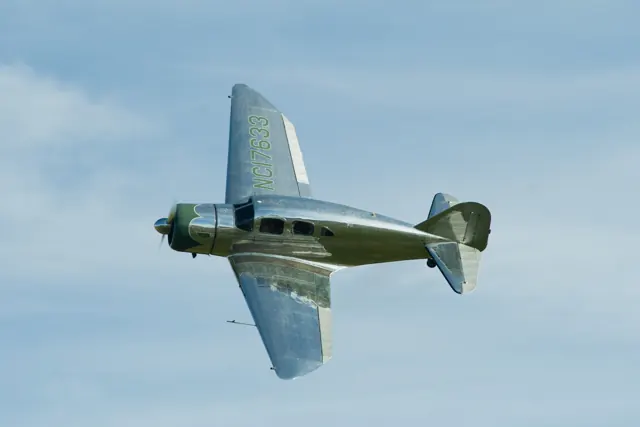
A late-1930s cabin aircraft with metal construction and retractable landing gear.
A short-haul jet family that evolved through several generations of engines, wings and flight decks.
A four-seat touring family whose Commander 114 added a larger engine and further refinements.
A high-wing utility aircraft known for short-field work and a broad choice of working configurations.
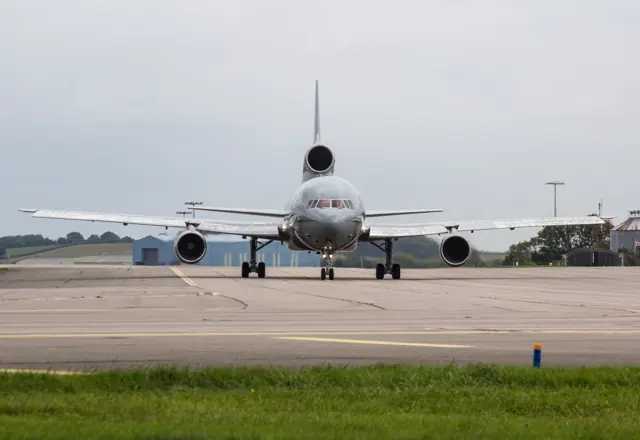
Lockheed's wide-body TriStar, with three RB211 engines and a distinctive tail intake.
A post-war Businessliner with a radial engine, cabin transport ambitions and tailwheel gear.
The Wilga is the real-aircraft starting point for Mike Patey's DRACO and the simulator's DRACO X.
A light tandem-seat taildragger built around the familiar braced high-wing layout.
A push-pull twin with one engine at each end of the central fuselage.
This is AirframeDB’s first release. More features and aircraft research are planned. Leave your email if you’d like occasional updates.