MSFS X-Plane
North American P-51 Mustang ↗
A long-range fighter whose different engine and canopy developments produced several distinct forms.
2 implementations+ Compare
Explore the aircraft. Find your simulator. Follow the sources.
A long-range fighter whose different engine and canopy developments produced several distinct forms.
An amphibious turboprop designed around scooping water and delivering it to fires.
A regional jet family with four small engines, a high wing and a large split tail airbrake.
A lightweight short-field aircraft with a specialised wing and tall, shock-absorbing landing gear.
A 1920s transport family that developed from a single-engine airliner into a trimotor.
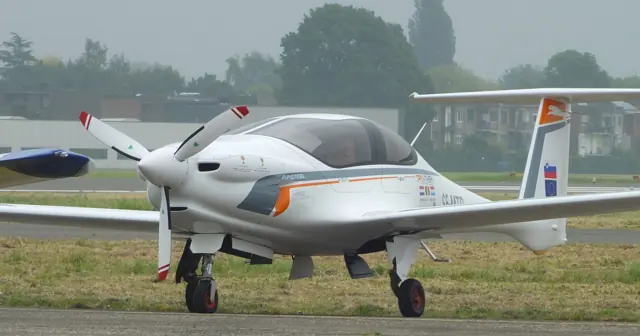
Pipistrel's streamlined four-seat composite-aircraft design.
A corrugated-metal transport best known in its three-engine form.
A long-haul twin whose family spans passenger, freight and specialist transport roles.
Beechcraft's Model 76, designed to introduce pilots to twin-engine flying.
A heavy transport helicopter whose two large rotors remove the need for a tail rotor.
The H130 utility helicopter, descended from the AS350 and fitted with a Fenestron.
A two-seat composite trainer with a low wing and a large canopy.
A Polish utility aircraft designed for short takeoffs and landings.
A pressurised touring twin whose piston and turbine-conversion versions make a particularly interesting comparison.
Cirrus's first type-certified aircraft, a composite piston single.
Two related Dutch regional jets developed from the F28 lineage.
A utility piston twin designed for commuter and specialist transport missions.
A high-wing twin turboprop developed for regional freight and passenger transport.
A long-range twin whose programme emphasised composite construction and more electrically powered systems.
A fixed-gear twin turboprop with a long history in regional and remote-area transport.
A British utility twin built around short regional and practical transport work.
A very large single-engine biplane designed for practical work from modest airfields.
A midsize business jet developed by Bombardier’s Learjet division.
A Canadian tandem-seat trainer developed after the Second World War.
This is AirframeDB’s first release. More features and aircraft research are planned. Leave your email if you’d like occasional updates.