MSFS
Aérospatiale Gazelle ↗
A compact utility helicopter distinguished by its enclosed Fenestron tail rotor.
1 implementations+ Compare
Explore the aircraft. Find your simulator. Follow the sources.
A compact utility helicopter distinguished by its enclosed Fenestron tail rotor.
A side-by-side two-seat sailplane with a retractable powerplant for self-launching.
A two-seat training single with a high wing and fixed tricycle landing gear.
A modern medium twin-engine helicopter developed as a successor to the Dauphin line.
A close-air-support aircraft with a straight wing, twin tail and two widely separated jet engines.
A twin-turboprop family whose smaller conventional-tail and larger T-tail branches have distinct identities.
A utility piston twin designed for commuter and specialist transport missions.
A five-seat turbine helicopter developed from Robinson's smaller piston-helicopter line.
A high-wing utility aircraft known for short-field work and a broad choice of working configurations.
A large amphibious flying boat built around maritime rescue and utility transport.
The Huey: a turbine-powered utility helicopter with a broad cabin and an unmistakable two-bladed rotor.
A four-seat kit-built touring aircraft that expanded the RV family beyond two-seat designs.
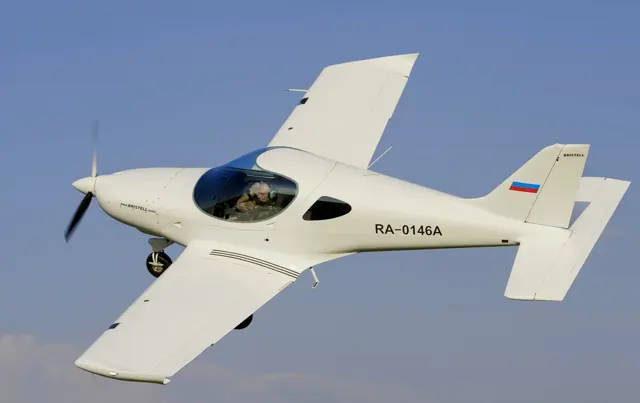
BRM Aero's two-seat B23, represented in MSFS by Airfoillabs.
A twin-aisle Boeing designed alongside the 757's generation of two-pilot flight decks.
A four-seat touring family whose Commander 114 added a larger engine and further refinements.
A two-seat composite trainer with a low wing and a large canopy.
Airbus's first production aircraft, built around a twin-engine wide-body layout.
An advanced trainer known around the world as the Texan, Harvard and SNJ.
A French two-seat aerobatic trainer with side-by-side seating and a distinctive curved wing outline.
Ted Smith's piston twin, later produced by Piper as the Aerostar.
A compact Italian light twin with a shoulder wing and metal airframe.
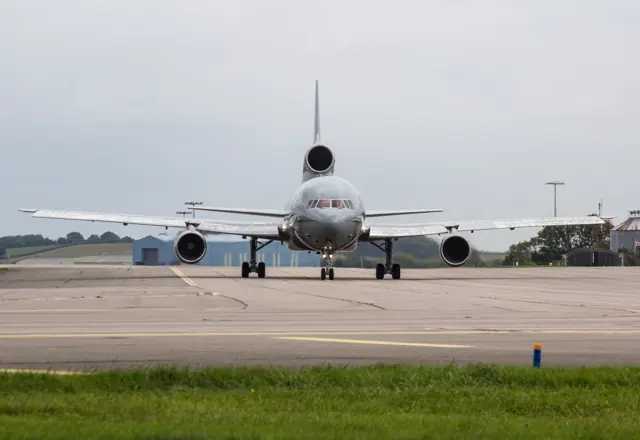
Lockheed's wide-body TriStar, with three RB211 engines and a distinctive tail intake.
A rear-engined trijet built to bring jet service to shorter routes and smaller airports.
The second-generation Harrier, designed around vectored thrust and short-field operation.
This is AirframeDB’s first release. More features and aircraft research are planned. Leave your email if you’d like occasional updates.