X-Plane
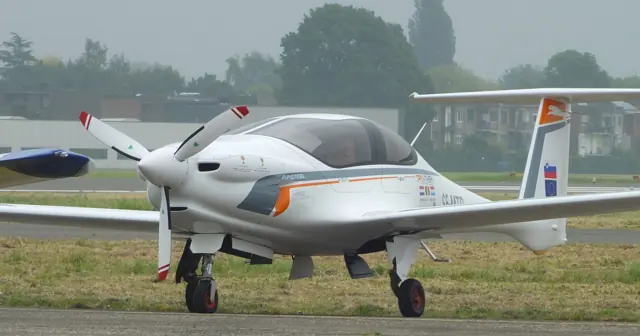
Pipistrel Panthera ↗
Pipistrel's streamlined four-seat composite-aircraft design.
1 implementations+ Compare
Explore the aircraft. Find your simulator. Follow the sources.
Pipistrel's streamlined four-seat composite-aircraft design.
A small twin-engine amphibian that moved from business transport into military and utility service.
A two-seat Tecnam high-wing aircraft combining composite and metal construction.
A tandem-seat utility aircraft whose light structure and high wing suit bush, towing and recreational work.
Diamond's four-seat light twin, developed with diesel-powered versions.
A short-field Savage with leading-edge slats and a distinct Got Friends simulator implementation.
A four-engine airliner that brought pressurised-cabin travel into scheduled service.
A single-engine utility helicopter known as the Écureuil, Squirrel and AStar.
A post-war Czech light twin with a rounded cabin and engines carried on a low wing.
A compact Japanese twin turboprop with a high wing and pressurised cabin.
A two-seat training single with a high wing and fixed tricycle landing gear.
A four-seat, pressurised kit aircraft with a composite airframe and retractable landing gear.
An Italian light aircraft known for military training and aerobatic use.
A utility-aircraft family whose stretched 207 branch trades compact proportions for more cabin space.
A four-engine airliner whose history also includes long-range maritime military service.
A four-seat kit-built touring aircraft that expanded the RV family beyond two-seat designs.
A radial-engine trainer that also served in combat and civilian warbird roles.
A regional turboprop family whose short early versions and larger Q400 have different proportions and systems.
A four-seat high-wing single that spans generations of conventional instruments and glass cockpits.
An advanced trainer known around the world as the Texan, Harvard and SNJ.
A low-wing piston twin that carries the Beechcraft touring-aircraft lineage into two-engine flying.
A DC-10-derived tanker that combined aerial refuelling with passenger and cargo transport.
A 1920s transport family that developed from a single-engine airliner into a trimotor.
A close-air-support aircraft with a straight wing, twin tail and two widely separated jet engines.
This is AirframeDB’s first release. More features and aircraft research are planned. Leave your email if you’d like occasional updates.































