
Start here
A few places to begin, from the aircraft’s story to the people who fly it.
Meet the aircraft
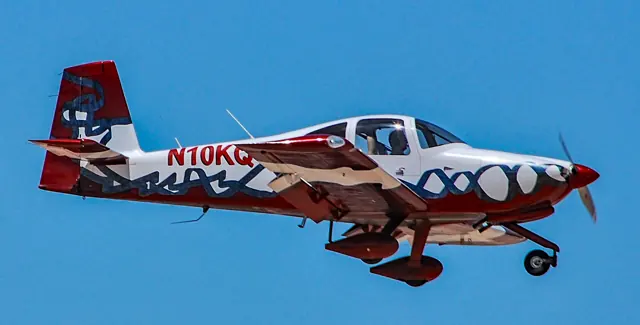
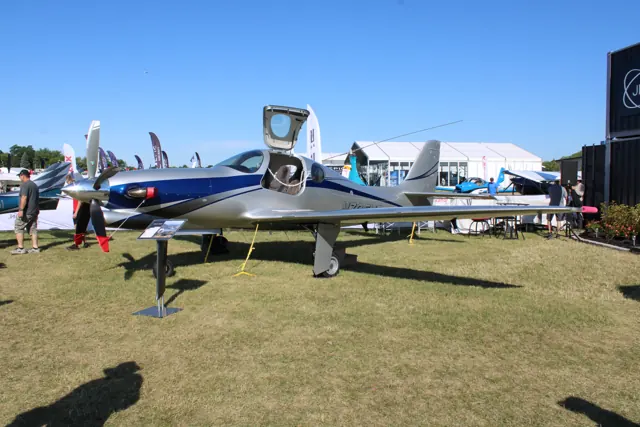
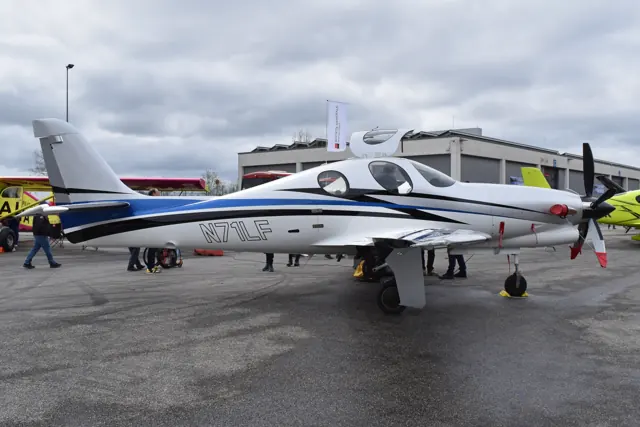
Lancair developed the Evolution as a pressurised, four-seat amateur-built aircraft; the programme continued through Evolution Aircraft. Its composite low-wing airframe and retractable landing gear were designed for high-performance personal travel. Both turbine and piston versions appeared.
Aircraft background
Wikipedia contributors · Read more ↗Formation flying while controllers learn the name
Even the controllers were getting used to the Evolution, sometimes calling it a Revolution. Hirschman’s introduction included a dusk photography flight beside a Bonanza, where the new turboprop’s power had to be used modestly to stay with the camera aircraft. The sidestick gave him the precise control needed for formation work, and the climb supplied a striking change from more familiar piston singles.
AOPA Pilot · August 2012. A 750 shp Evolution demonstration with Doug Walker, including a Cincinnati Lunken photography flight.
AOPA Pilot · Read more ↗The manual maps out the Evolution’s systems panels
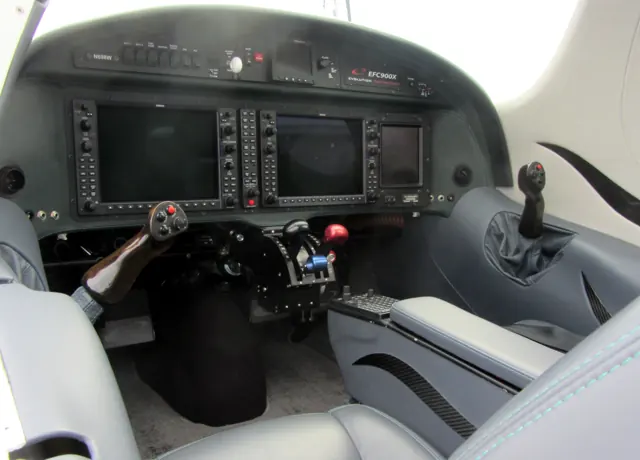
Laminar’s manual describes separate battery, generator and backup-alternator controls, plus a ground-power selection. The systems panel includes inflatable door-seal and bleed-air controls for cabin pressurisation, while a separate display presents cabin altitude and differential pressure. These details describe the installation represented by the simulator manual.
Lancair Evolution · Laminar Research · X-Plane 12
Laminar Research · Read more ↗Into the cockpit
 YouTube
Mark Brooks · 4 min ·
Flying the Lancair Evolution
A guest joins a demonstration flight in the turbine-powered Lancair Evolution.
Real aircraft · Lancair Evolution
Watch on YouTube ↗Preview images are served by AirframeDB. Videos open on YouTube only when you choose to watch.
Meet Lancair Evolution
Lancair developed the Evolution as a pressurised, four-seat amateur-built aircraft; the programme continued through Evolution Aircraft. Its composite low-wing airframe and retractable landing gear were designed for high-performance personal travel. Both turbine and piston versions appeared.
Individual builders choose their equipment. Laminar's X-Plane model is based on N844X, including the cockpit and trim arrangement described in its manual.
Lancair Evolution
Lancair → · Explore the family →
Lancair Evolution
Wikipedia contributors · Lancair Evolution ↗Laminar Research · X-Plane 12 →Aircraft type designators
Use the code for the model you are flying. The linked authority lists the applicable aircraft.
History & design
A turbine kit programme takes shape
The contemporary 2012 report dates the Evolution’s first flight to 2008 and kit deliveries to 2009. It describes a programme built around a relatively standardised engine and avionics installation, with an initial factory-assisted construction period followed by further work to complete the aircraft.
AOPA Pilot · You say you want an evolution ↗AOPA’s description of the programme at that time
One family, individually completed aircraft
Greeff’s South African example was completed with help from local aviation specialists after the initial factory work. His intended use included four-seat, pressurised travel for work, illustrating how the kit programme could serve a regular transport mission as well as a construction project.
SA Flyer / Evolution Aircraft · Lancair Evolution ↗Owner and build history reported by SA Flyer
Development milestones
First flight: 21 March 2008
Wikipedia contributors · Lancair Evolution ↗Lancair Evolution · family/variant named by the source · Wikipedia revision 1364486698
Pilot accounts
Formation flying while controllers learn the name
Even the controllers were getting used to the Evolution, sometimes calling it a Revolution. Hirschman’s introduction included a dusk photography flight beside a Bonanza, where the new turboprop’s power had to be used modestly to stay with the camera aircraft. The sidestick gave him the precise control needed for formation work, and the climb supplied a striking change from more familiar piston singles.
Getting into the cabin required some agility, but once seated he appreciated the upright position and view. His evaluation also caught changes in feel as speed increased, with heavier roll forces during faster flight. The landing brought another favourable impression of the undercarriage’s cushioning.
AOPA Pilot · August 2012. A 750 shp Evolution demonstration with Doug Walker, including a Cincinnati Lunken photography flight.
Read the full account · AOPA Pilot ↗From the camera aircraft into a South African Evolution
Leitch first saw this Evolution in flight from the accompanying Saratoga during a coastal photography mission. He subsequently moved into the turboprop itself, joining owner Frikkie Greeff for a flight from the right seat. Crossing the centre controls to board was awkward, but the seat then offered useful room and a clear view. The substantial power available demanded attention as he became familiar with the aircraft.
During manoeuvring, an unintended climb showed how much he was still learning about balancing power and attitude. He liked the firm, authoritative controls. On return, strong wind and unfamiliar local radio work accompanied a further distraction when the cockpit began misting. Greeff handled the landing.
SA Flyer, manufacturer-hosted PDF. ZU-EVO with owner Frikkie Greeff; Leitch flew from the right seat, and Greeff made the windy return landing.
Read the full account · SA Flyer / Evolution Aircraft ↗Eight hundred hours of pleasure, repairs and changes
Meyer wanted a pressurised aircraft that could carry four people on longer journeys. He enjoyed the Evolution’s turbine smoothness, power and reach, but his account also describes a more demanding ownership experience than a short demonstration could reveal. An early flight required attention to stability and trim, and subsequent use brought faults that interrupted travel.
He reports a landing-gear collapse on the ground, avionics and sensor problems, and periods waiting for repair. He also describes changes to his own aircraft and an extensive further upgrade that was still in progress when he wrote. Despite those frustrations, he remained enthusiastic about its travelling capability.
Owner’s published account of N844X, fitted with the 850 hp PT6A-42. Describes this particular aircraft and modifications completed or planned at the time of writing.
Read the full account · Austin Meyer ↗In your simulator
Systems, equipment and documentation for each developer’s aircraft.
X-Plane 12Lancair Evolution
Laminar Research · Released
Lancair Evolution
Laminar Research · Released
Aircraft specifications
Published figures for the named real-aircraft variant. Simulator equipment and performance can differ.
| Specification | Published value |
|---|---|
| Length | 30 ft (9.1 m) |
| Wingspan | 37 ft (11 m) |
| Height | 10 ft (3.0 m) |
| Empty weight | 2,650 lb (1,202 kg) |
| Gross weight | 4,550 lb (2,064 kg) |
| Powerplant | 1 × Pratt & Whitney PT6A-135A turboprop aircraft engine , 750 hp (560 kW) |
| Propellers | 4-bladed Hartzell Propeller |
| Maximum speed | 256 kn (295 mph, 474 km/h) maximum cruise speed ( true airspeed ) |
| Stall speed | 61 kn (70 mph, 113 km/h) flaps down, indicated airspeed |
| Range | 1,027 nmi (1,182 mi, 1,902 km) no reserve |
| Service ceiling | 28,000 ft (8,500 m) limited by RVSM |
| Rate of climb | 4,000 ft/min (20 m/s) |
Manuals & resources
Find your next read
Choose a topic for a short introduction and a link to the original source. Simulator references identify the developer and edition they cover.
Simulator documentation
The manual maps out the Evolution’s systems panelsLancair Evolution · Laminar Research · X-Plane 12
Laminar’s manual describes separate battery, generator and backup-alternator controls, plus a ground-power selection. The systems panel includes inflatable door-seal and bleed-air controls for cabin pressurisation, while a separate display presents cabin altitude and differential pressure. These details describe the installation represented by the simulator manual.
Gathered Laminar simulator manual · PDF pp.20,24
Laminar Research · Read the source ↗Lighting and protection controls are part of the cockpitLancair Evolution · Laminar Research · X-Plane 12
The overhead lights can change colour and direction. A separate panel groups the particle separator, pitot heat, propeller heat and inlet heat. The manual shows their locations alongside the landing-gear indication and cockpit-light dimmers.
Gathered simulator manual · PDF pp.19,21,23
Laminar Research · Read the source ↗One real aircraft's equipment choicesLancair Evolution · Laminar Research · X-Plane 12
Laminar models the Evolution after N844X, with that aircraft's particular cockpit and autopilot. There is no trim wheel in the represented panel: mapped commands operate pitch trim and the multifunction display shows its position. That is a specific installation within a kit-built aircraft family.
Archived simulator manual; installed package revision not observed · PDF pp.6,51
Laminar Research · Read the source ↗Pilot account
Formation flying while controllers learn the nameAOPA Pilot · August 2012. A 750 shp Evolution demonstration with Doug Walker, including a Cincinnati Lunken photography flight.
Even the controllers were getting used to the Evolution, sometimes calling it a Revolution. Hirschman’s introduction included a dusk photography flight beside a Bonanza, where the new turboprop’s power had to be used modestly to stay with the camera aircraft. The sidestick gave him the precise control needed for formation work, and the climb supplied a striking change from more familiar piston singles.
Dave Hirschman
AOPA Pilot · Read the source ↗From the camera aircraft into a South African EvolutionSA Flyer, manufacturer-hosted PDF. ZU-EVO with owner Frikkie Greeff; Leitch flew from the right seat, and Greeff made the windy return landing.
Leitch first saw this Evolution in flight from the accompanying Saratoga during a coastal photography mission. He subsequently moved into the turboprop itself, joining owner Frikkie Greeff for a flight from the right seat. Crossing the centre controls to board was awkward, but the seat then offered useful room and a clear view. The substantial power available demanded attention as he became familiar with the aircraft.
Guy Leitch
SA Flyer / Evolution Aircraft · Read the source ↗Read the original documentation from the people who created it. Manuals open on their publisher’s website.
Manual
Lancair Evolution POHLaminar Research X-Plane 12 Desktop ManualLaminar Research X-Plane aircraft and avionics manualsLaminar ResearchAircraft background
Lancair EvolutionWikipedia contributors · Research background · Wikipedia revision 1364486698 · retrieved 2026-09-12Type designator
ICAO Doc 8643 — aircraft type designatorsInternational Civil Aviation Organization · Public search data retrieved 2026-09-14; authority update 2026-09-03Built-in force-feedback profiles
Read the documentary basis, editable starting settings and remaining questions for the aircraft you fly. Each explanation refers to the exact profile revision shown.
Catalogue programme-20261022-v1 · 1 profile choice
Lancair Evolution
Free and Pro · Revision 1 · Partial review
X-Plane 12
Lancair Evolution: The chosen resistance accompanies the selected Evolution airframe.
Discuss this aircraft (0)
Questions, observations and useful sources from the community.
No published discussions yet. Bring a question or share a useful source.
Open aircraft discussions →Content expanded · What’s new
Something missing or a source that needs attention?
Suggest a correction ↗