MSFS
Mitsubishi MU-2 ↗
A compact Japanese twin turboprop with a high wing and pressurised cabin.
1 implementations+ Compare
Explore the aircraft. Find your simulator. Follow the sources.
A compact Japanese twin turboprop with a high wing and pressurised cabin.
A light turbine helicopter combining an Alouette II airframe with more powerful Alouette III components.
An enclosed, two-seat autogyro with side-by-side seating and a pusher propeller.
A twin-engine business jet designed to retain some of the utility flexibility associated with the PC-12.
A twin-hull flying boat with its engines mounted together above the wing.
The JetRanger and LongRanger family: a familiar turbine-helicopter shape with distinct cabin lengths.
Tecnam's four-seat high-wing single, built with metal and carbon-fibre components.
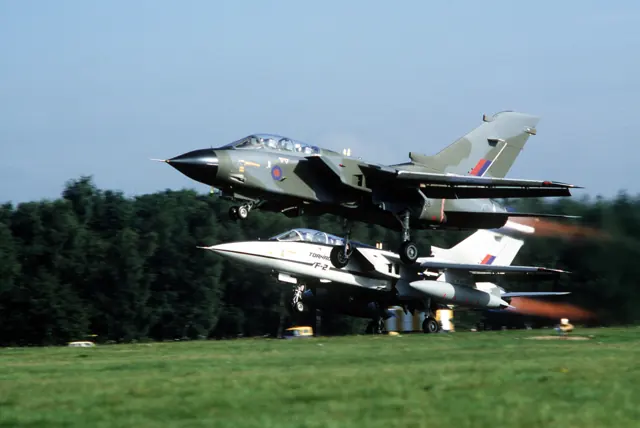
A European variable-sweep combat-aircraft family with distinct strike and interceptor versions.
A short-haul jet family that evolved through several generations of engines, wings and flight decks.
A tailwheel utility single built around a high wing and a substantial working cabin.
A high-wing twin turboprop developed for regional freight and passenger transport.
A four-seat touring family whose Commander 114 added a larger engine and further refinements.
Avro's delta-wing bomber, developed for Britain's postwar strategic force.
A First World War trainer that became a familiar sight in the barnstorming era.
A corrugated-metal transport best known in its three-engine form.
A heavy transport helicopter whose two large rotors remove the need for a tail rotor.
A two-seat naval fighter with variable-sweep wings and a cockpit built around pilot and radar-intercept officer roles.
A high-wing utility aircraft known for short-field work and a broad choice of working configurations.
A four-abreast regional-jet family spanning the E170, E175, E190 and E195.
A twin-turbine Huey descendant with a four-blade main rotor.
A purpose-built agricultural aircraft that also became a single-engine air tanker.
A twin-turboprop family whose smaller conventional-tail and larger T-tail branches have distinct identities.
The Mitchell medium bomber, named for aviation advocate Billy Mitchell.
A family of single-aisle airliners built around sidesticks, electronic flight controls and a shared cockpit.
This is AirframeDB’s first release. More features and aircraft research are planned. Leave your email if you’d like occasional updates.