MSFS
Grumman Albatross HU-16 / G-111 ↗
A large amphibious flying boat built around maritime rescue and utility transport.
1 implementations+ Compare
Explore the aircraft. Find your simulator. Follow the sources.
A large amphibious flying boat built around maritime rescue and utility transport.
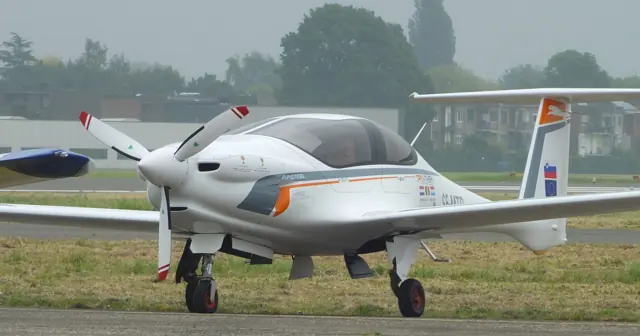
Pipistrel's streamlined four-seat composite-aircraft design.
Airbus's first production aircraft, built around a twin-engine wide-body layout.
A six-seat composite single turboprop with a pressurised cabin and retractable gear.
A long-range twin whose programme emphasised composite construction and more electrically powered systems.
A compact two-seat light aircraft with a high wing and a wide range of development variants.
Ted Smith's piston twin, later produced by Piper as the Aerostar.
A fixed-wing observation aircraft with a helicopter-like view from its glazed nose.
Dassault's long-range Falcon 8X, developed from the three-engine 7X.
Regional flying built around a high wing, two turboprops and short sectors.
A streamlined twin-engine helicopter with a Fenestron tail rotor and retractable landing gear.
A large twin-radial transport that carried heavy loads through wartime and post-war freight service.
Cessna's retractable-gear Centurion, a high-wing touring aircraft.
Tecnam's two-seat, low-wing Sierra, introduced in the early 2000s.
A close-air-support aircraft with a straight wing, twin tail and two widely separated jet engines.
The Stationair utility family, combining a high wing with fixed landing gear.
A single-seat competition sailplane offered in Standard and 18-metre configurations.
A two-seat training single with a high wing and fixed tricycle landing gear.
A pioneering light helicopter whose bubble cabin and exposed structure became widely recognisable.
The four-engine Flying Fortress, a major American bomber of the Second World War.
A post-war Businessliner with a radial engine, cabin transport ambitions and tailwheel gear.
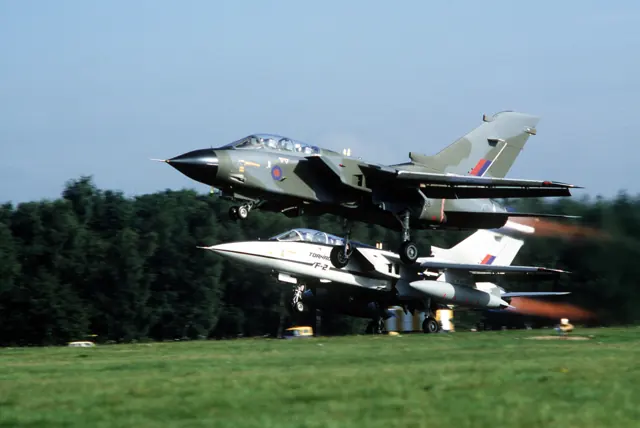
A European variable-sweep combat-aircraft family with distinct strike and interceptor versions.
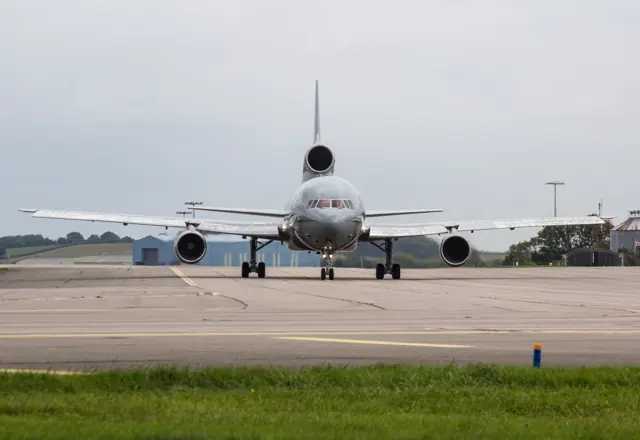
Lockheed's wide-body TriStar, with three RB211 engines and a distinctive tail intake.
The Wilga is the real-aircraft starting point for Mike Patey's DRACO and the simulator's DRACO X.
This is AirframeDB’s first release. More features and aircraft research are planned. Leave your email if you’d like occasional updates.