

Start here
A few places to begin, from the aircraft’s story to the people who fly it.
Meet the aircraft
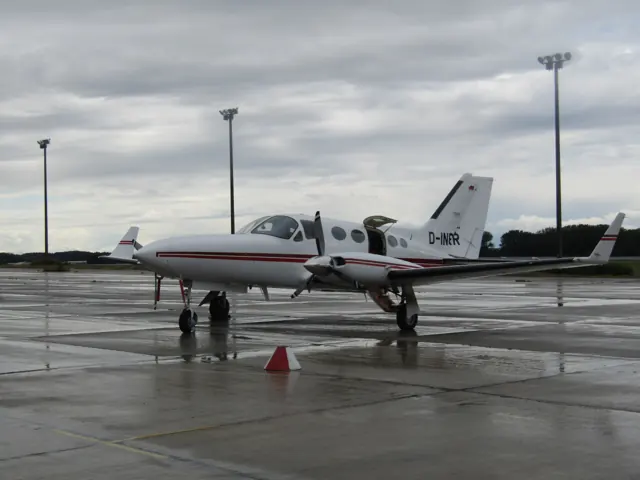
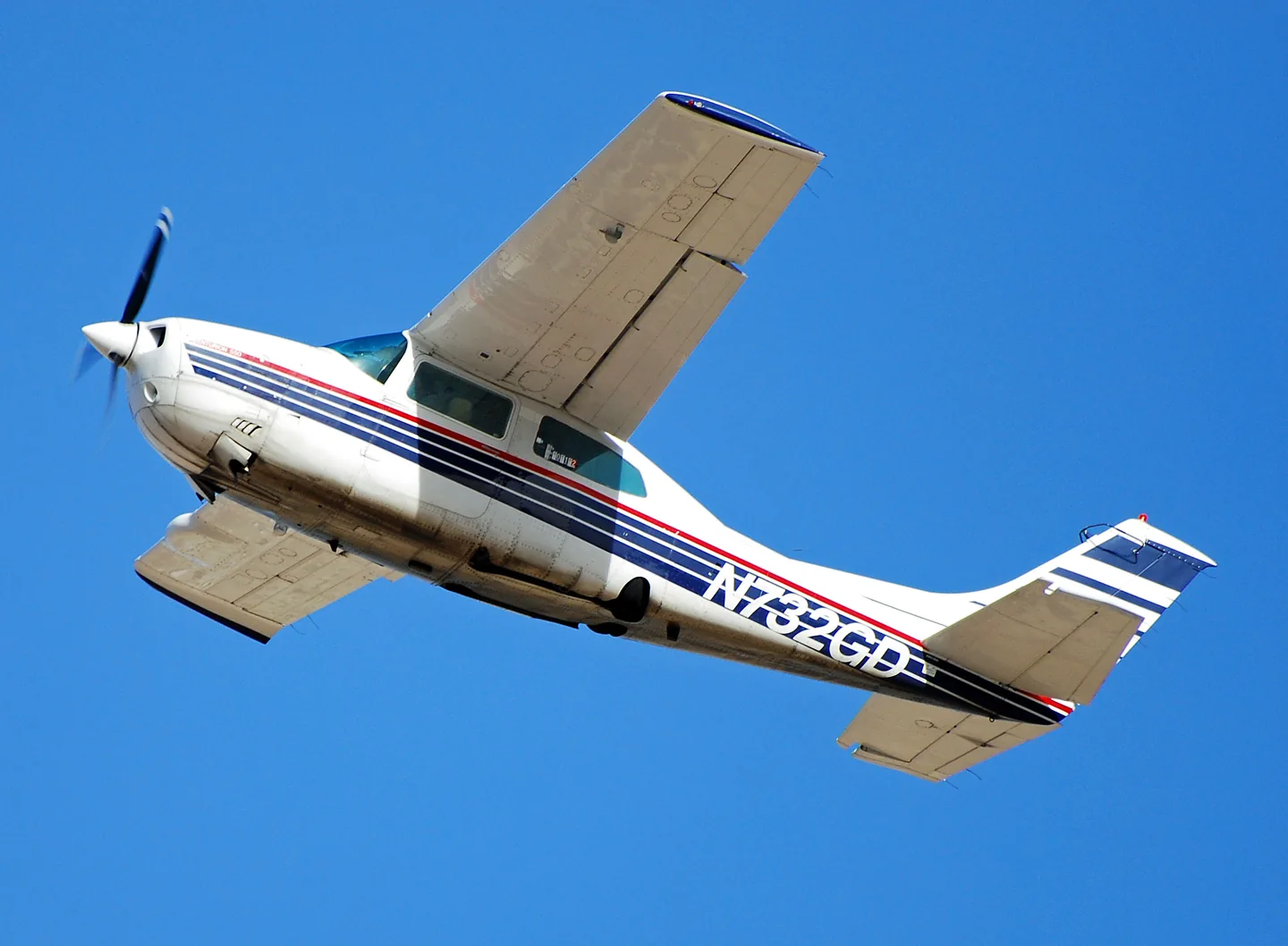
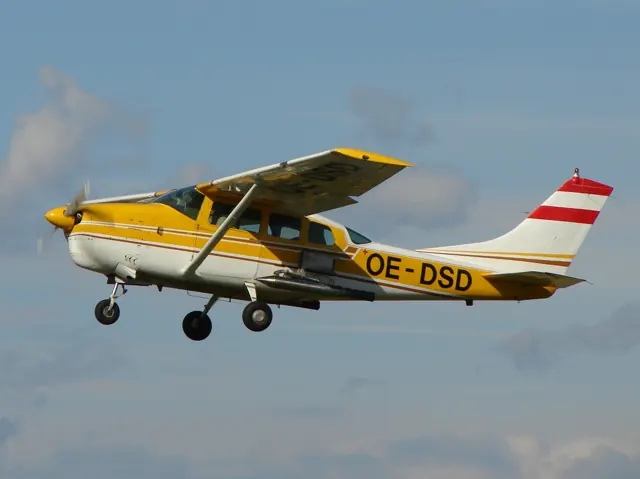
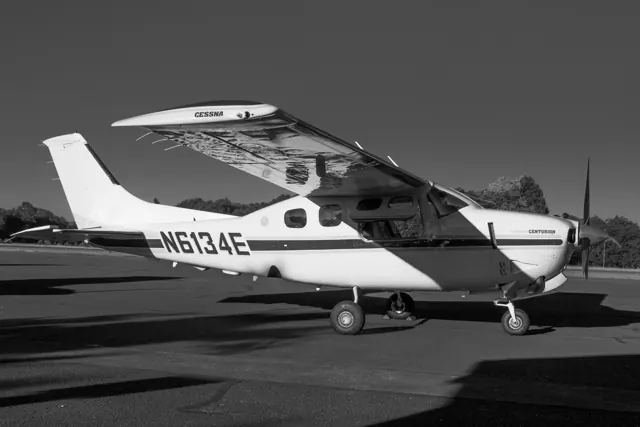
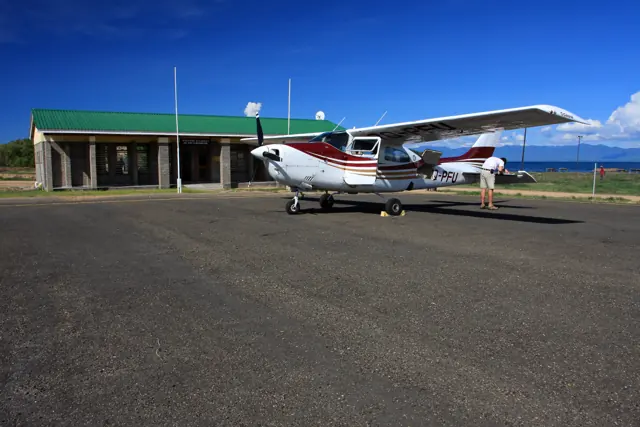
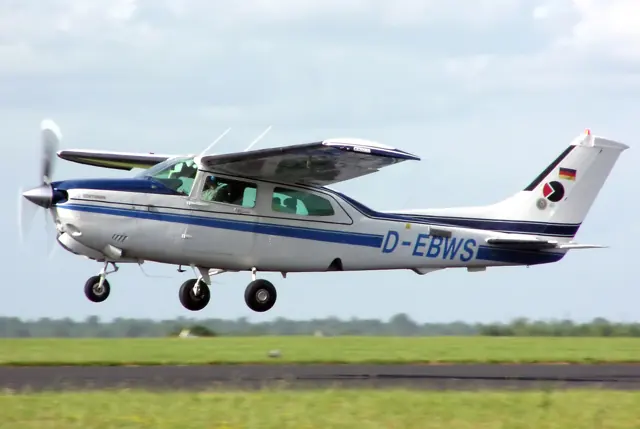
The 210 first flew in January 1957 and remained in production until 1986. Its high wing and retractable landing gear combine the familiar Cessna cabin arrangement with a different performance and equipment class from the basic trainers. Capacity and performance changed as the family developed over that production run.
Aircraft background
Wikipedia contributors · Read more ↗A travelling couple finds the pressurised Centurion fits
The Cabots moved from a Skylane to a turbocharged Centurion before asking Cox to help them find a P210R. They bought a 1985 example in Phoenix and continued using it after retiring to Mexico, flying regularly to destinations in Texas, Arizona and California. Both were pilots, and their choice reflected experience with other aircraft as well as affection for Cessnas.
Cessna Owner Organization, 3 November 2015. Joint owner interview concerning a 1985 P210R; pressurised variant, counted as one shared account.
Cessna Owner Organization · Read more ↗Into the cockpit
 YouTube
AeroLife · 36 min ·
1974 Cessna 210 Centurion aircraft full flight review
An aircraft sales presenter reviews a 1974 C210L in detail and in flight.
Real aircraft · C210L, 1974
Watch on YouTube ↗Preview images are served by AirframeDB. Videos open on YouTube only when you choose to watch.
Meet Cessna 210 Centurion
The 210 first flew in January 1957 and remained in production until 1986. Its high wing and retractable landing gear combine the familiar Cessna cabin arrangement with a different performance and equipment class from the basic trainers. Capacity and performance changed as the family developed over that production run.
Cessna 210 Centurion
Cessna → · Explore the family →
Cessna 210 Centurion
Wikipedia contributors · Cessna 210 Centurion ↗SimCoders · X-Plane 11 · X-Plane 12 →Aircraft type designators
Use the code for the model you are flying. The linked authority lists the applicable aircraft.
History & design
Development milestones
First flight: January 1957
Developed from: Cessna 182 Skylane
Wikipedia contributors · Cessna 210 Centurion ↗Cessna 210 Centurion · family/variant named by the source · Wikipedia revision 1369058378
Pilot accounts
A travelling couple finds the pressurised Centurion fits
The Cabots moved from a Skylane to a turbocharged Centurion before asking Cox to help them find a P210R. They bought a 1985 example in Phoenix and continued using it after retiring to Mexico, flying regularly to destinations in Texas, Arizona and California. Both were pilots, and their choice reflected experience with other aircraft as well as affection for Cessnas. Hal's height also mattered: the vertical space in the Centurion suited him better than the alternative he considered.
Michelee valued the room for four people and their belongings, while acknowledging that access to the small rear seats could be awkward. Hal particularly appreciated pressurisation on their journeys through the western United States. They generally chose middle altitudes that cleared the terrain while maintaining a comfortable cabin environment. Their account describes a durable match between aircraft and owners: enough speed, useful accommodation and relief from the inconvenience of routine oxygen equipment on the trips they wanted to make.
Cessna Owner Organization, 3 November 2015. Joint owner interview concerning a 1985 P210R; pressurised variant, counted as one shared account.
Read the full account · Cessna Owner Organization ↗The appeal of a stable working aircraft
Collins's assessment of the Centurion accepts its reputation for heavy controls while explaining why pilots might value it anyway. He describes a marked change in elevator feel with loading: a forward centre of gravity gives substantial forces, while an aft loading makes the pitch response lighter. To him, the aircraft's strongest quality is its steadiness in instrument conditions. Once established in a climb, cruise or approach, it tends to hold the condition the pilot has selected.
He also distinguishes the normally aspirated, turbocharged and pressurised versions as different choices within the family. The additional performance available at altitude brings fuel-planning consequences, and he stresses the practical importance of knowing how much fuel is actually aboard. His tone is affectionate without being glamorous. The 210's attraction lies in carrying people and equipment effectively and providing a stable platform for travelling, rather than winning admiration for especially delicate handling.
AOPA Pilot, June 1988; AOPA fact-sheet reprint. Published pilot assessment of the 210 family, reproduced by AOPA; this is a handling appraisal, not a newly reconstructed flight narrative.
Read the full account · AOPA Pilot ↗Learning how to use an aeroplane beside Richard Collins
Haines was 27, with about ninety flying hours, when he first travelled cross-country with Richard Collins in P210 N40RC. The journey from Maryland to Florida introduced him to a pilot who treated the aircraft as everyday transport. At a familiar fuel stop in Florence, a controller recognised Collins's callsign and welcomed him back. For the young aviation writer, that exchange made the possibilities of personal flying feel unusually tangible.
Other trips revealed the less glamorous side. Haines recalls an alternator failure en route to Ohio, followed by a stop in Akron where Collins produced a spare from the baggage compartment and arranged a repair over lunch. He also remembers the detailed weather preparation and performance notes surrounding these flights. The aircraft was not universally loved for its handling among the staff, but it became the setting for valuable mentorship. Haines credits Collins with teaching him how to make practical use of an aeroplane, beyond simply learning to fly one.
AOPA Pilot, July 2018. First-person recollections of accompanying Collins in his P210; does not imply Haines was flying every described leg.
Read the full account · AOPA Pilot ↗In your simulator
Systems, equipment and documentation for each developer’s aircraft.
Compare simulator versions →X-Plane 11 · X-Plane 12 Enhancement Cessna 210 Centurion
SimCoders · Released
Cessna 210 Centurion
SimCoders · Released
MSFS 2020 · MSFS 2024CT210N
Carenado · Released
CT210N
Carenado · Released
Aircraft specifications
Published figures for the named real-aircraft variant. Simulator equipment and performance can differ.
| Specification | Published value |
|---|---|
| Length | 28 ft 2 in (8.59 m) |
| Wingspan | 36 ft 9 in (11.20 m) |
| Height | 9 ft 8 in (2.95 m) |
| Wing area | 175 sq ft (16.3 m² ) |
| Empty weight | 2,303 lb (1,045 kg) |
| Gross weight | 4,000 lb (1,814 kg) |
| Powerplant | 1 × Continental Motors TSIO-520-R air-cooled turbocharged flat-six , 310 hp (230 kW) |
| Propellers | 3-bladed McCauley Type D3A34C402/90DFA-10 constant-speed propeller , 7 ft 6 in (2.29 m) diameter |
| Maximum speed | 204 kn (235 mph, 378 km/h) at 17,000 ft (5,200 m) |
| Cruise speed | 193 kn (222 mph, 357 km/h) at 20,000 ft (6,100 m) (80% power) |
| Stall speed | 58 kn (67 mph, 107 km/h) (power off, flaps down) ( CAS ) |
| Range | 900 nmi (1,000 mi, 1,700 km) at 10,000 ft (3,000 m) (econ cruise) |
| Service ceiling | 27,000 ft (8,200 m) |
| Rate of climb | 930 ft/min (4.7 m/s) |
Manuals & resources
Find your next read
Choose a topic for a short introduction and a link to the original source. Simulator references identify the developer and edition they cover.
Pilot account
A travelling couple finds the pressurised Centurion fitsCessna Owner Organization, 3 November 2015. Joint owner interview concerning a 1985 P210R; pressurised variant, counted as one shared account.
The Cabots moved from a Skylane to a turbocharged Centurion before asking Cox to help them find a P210R. They bought a 1985 example in Phoenix and continued using it after retiring to Mexico, flying regularly to destinations in Texas, Arizona and California. Both were pilots, and their choice reflected experience with other aircraft as well as affection for Cessnas. Hal's height also mattered: the vertical space in the Centurion suited him better than the alternative he considered.
Michelee and Hal Cabot, interviewed by Bill Cox
Cessna Owner Organization · Read the source ↗The appeal of a stable working aircraftAOPA Pilot, June 1988; AOPA fact-sheet reprint. Published pilot assessment of the 210 family, reproduced by AOPA; this is a handling appraisal, not a newly reconstructed flight narrative.
Collins's assessment of the Centurion accepts its reputation for heavy controls while explaining why pilots might value it anyway. He describes a marked change in elevator feel with loading: a forward centre of gravity gives substantial forces, while an aft loading makes the pitch response lighter. To him, the aircraft's strongest quality is its steadiness in instrument conditions. Once established in a climb, cruise or approach, it tends to hold the condition the pilot has selected.
Richard Collins
AOPA Pilot · Read the source ↗Developer documentation
CT210N — product listingCT210N · MSFS 2020 · MSFS 2024
Product listing captured 2026-09-23; edition scope from the reviewed catalogue
www.carenado.com · Read the source ↗CT210N — product listingCT210N · MSFS 2020 · MSFS 2024
Product listing captured 2026-09-23; edition scope from the reviewed catalogue
www.carenado.com · Read the source ↗Read the original documentation from the people who created it. Manuals open on their publisher’s website.
Aircraft background
Cessna 210 CenturionWikipedia contributors · Research background · retrieved 2026-09-12Product
Reality Expansion Pack · Cessna 210 CenturionSimCoders · Official developer / designated store catalogue · checked 2026-09-12 CT210N MSFS2020 – Carenadowww.carenado.com · Product listing captured 2026-09-23; edition scope from the reviewed catalogue CT210N MSFS2024 – Carenadowww.carenado.com · Product listing captured 2026-09-23; edition scope from the reviewed catalogueType designator
ICAO Doc 8643 — aircraft type designatorsInternational Civil Aviation Organization · Public search data retrieved 2026-09-14; authority update 2026-09-03Built-in force-feedback profiles
Read the documentary basis, editable starting settings and remaining questions for the aircraft you fly. Each explanation refers to the exact profile revision shown.
Catalogue programme-20261022-v1 · 4 profile choices
Carenado CT210M Centurion II
Carenado · Free and Pro · Revision 3 · Partial review
X-Plane 11
Carenado CT210M Centurion II: The selected manual yoke response remains distinct from hydraulic landing-gear actuation and from engine boost.
Carenado CT210N Centurion
Carenado · Free and Pro · Revision 4 · Inherited starting point
MSFS 2020 · MSFS 2024
Carenado CT210N Centurion: The selected manual yoke response remains distinct from hydraulic landing-gear actuation and from engine boost.
SimCoders REP / Carenado T210M Centurion (XP12)
SimCoders · Free and Pro · Revision 1 · Inherited starting point
X-Plane 12
SimCoders REP / Carenado T210M Centurion (XP12): The selected manual yoke response remains distinct from hydraulic landing-gear actuation and from engine boost.
Cessna 210 Centurion
Free and Pro · Revision 2 · Partial review
X-Plane 12 · X-Plane 11
Cessna 210 Centurion: The selected manual yoke response remains distinct from hydraulic landing-gear actuation and from engine boost.
Discuss this aircraft (0)
Questions, observations and useful sources from the community.
No published discussions yet. Bring a question or share a useful source.
Open aircraft discussions →Content expanded · What’s new
Something missing or a source that needs attention?
Suggest a correction ↗