MSFS
Boeing F/A-18E ↗
A carrier-capable multirole fighter, larger than the earlier Hornet from which it developed.
2 implementations+ Compare
Explore the aircraft. Find your simulator. Follow the sources.
A carrier-capable multirole fighter, larger than the earlier Hornet from which it developed.
Cirrus's first type-certified aircraft, a composite piston single.
A small two-seat piston helicopter with a two-bladed main rotor.
A wooden touring-aircraft family recognisable by the upward-angled outer wing panels.
A modern medium twin-engine helicopter developed as a successor to the Dauphin line.
A tandem two-seat sailplane designed for instruction and broader soaring use.
A very light twin jet developed from the Eclipse 500.
A large twin-radial transport that carried heavy loads through wartime and post-war freight service.
A pressurised touring twin whose piston and turbine-conversion versions make a particularly interesting comparison.
A post-war Czech light twin with a rounded cabin and engines carried on a low wing.
A compact Japanese twin turboprop with a high wing and pressurised cabin.
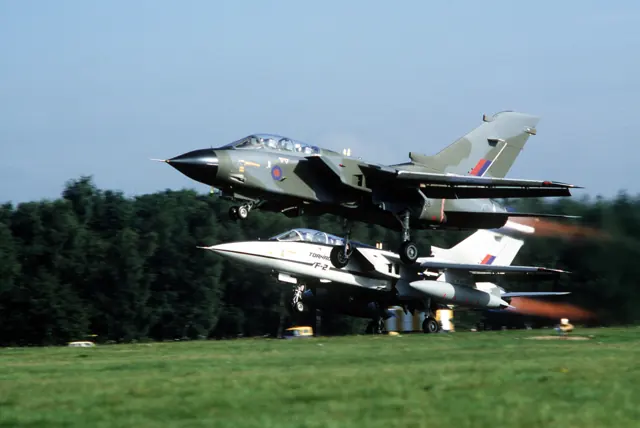
A European variable-sweep combat-aircraft family with distinct strike and interceptor versions.
The four-engine Flying Fortress, a major American bomber of the Second World War.
The four-engine wide-body whose raised flight deck created one of aviation's most recognisable profiles.
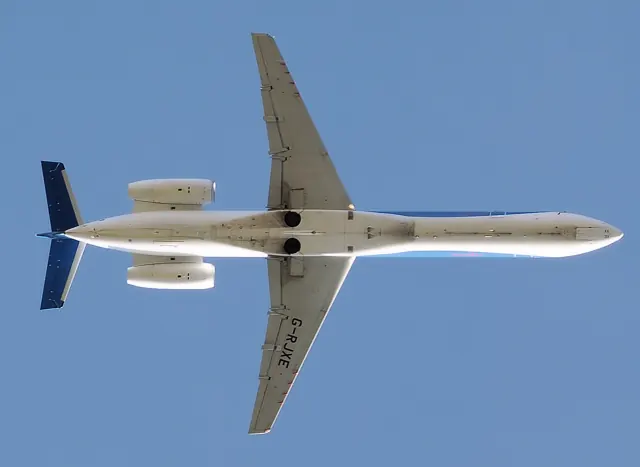
Embraer's regional-jet family, from the ERJ 135 to the longer ERJ 145.
A twin-turbine Huey descendant with a four-blade main rotor.
A small twin-engine amphibian that moved from business transport into military and utility service.
A 1920s flying boat with two engines arranged in tandem above the wing.
An all-metal sport and touring aircraft from Bayerische Flugzeugwerke.
A British utility twin built around short regional and practical transport work.
A light turbine helicopter combining an Alouette II airframe with more powerful Alouette III components.
Beechcraft's Model 76, designed to introduce pilots to twin-engine flying.
A regional turboprop family whose short early versions and larger Q400 have different proportions and systems.
A French two-seat aerobatic trainer with side-by-side seating and a distinctive curved wing outline.
This is AirframeDB’s first release. More features and aircraft research are planned. Leave your email if you’d like occasional updates.