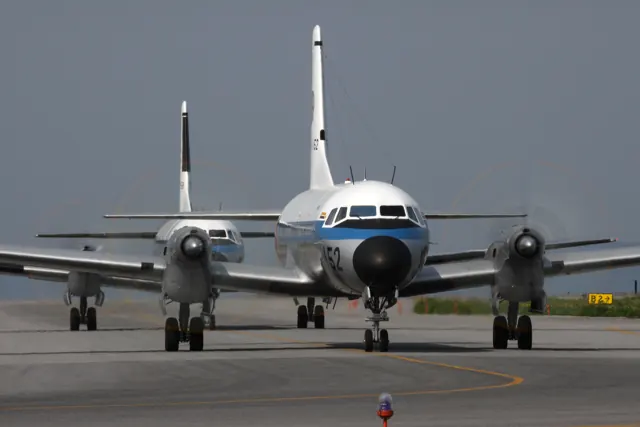


Meet NAMC YS-11
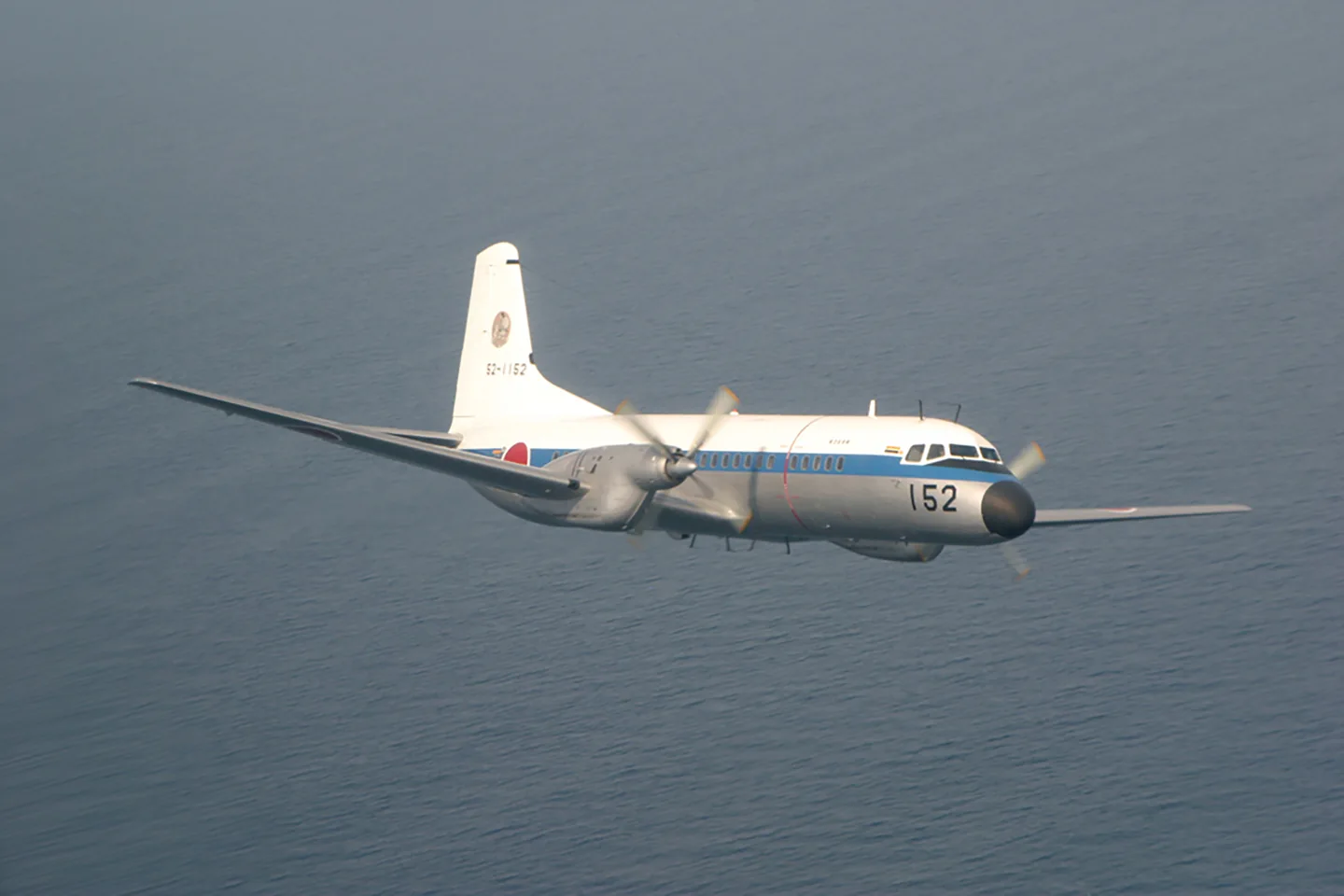
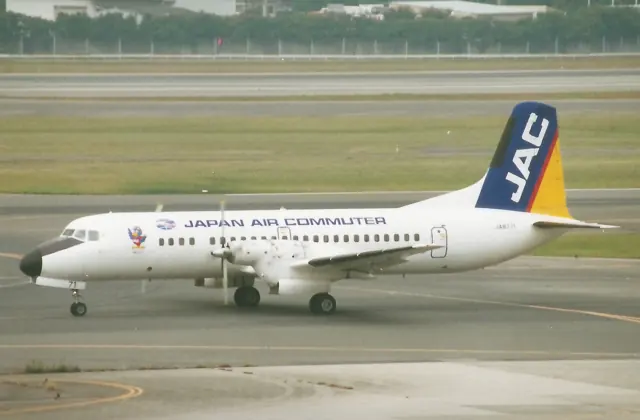
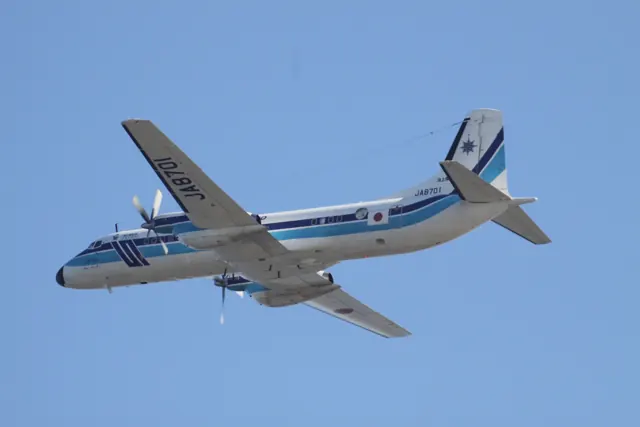
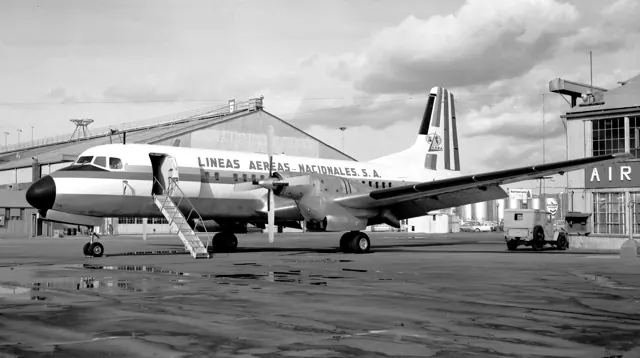
The YS-11 brought Japan’s postwar aircraft industry into the regional-airliner market. NAMC developed a pressurised, low-wing twin turboprop powered by Rolls-Royce Dart engines. Its regional role placed it among the aircraft connecting smaller cities during the transition from piston airliners to turbine power.
Airlines around the world used the YS-11 for passenger services and freight. It also found work with military operators in Japan and Greece, where the family served in transport, surveillance and electronic-warfare roles. Those varied careers give the aircraft a history extending well beyond its original purpose as a regional passenger transport.
History & design
Learning to certify a new airliner
Former Civil Aviation Bureau inspector 藤原 洋 recalls that the YS-11 demanded a new level of certification work from Japan’s postwar civil aviation authorities. He worked on fundamental measurements such as airspeed-system errors, stall speeds and takeoff and landing distances. His account describes the team studying foreign test methods and adapting them to the equipment and experience available locally.
The prototype programme also led to substantial changes. He reports enlarged ailerons and increased wing dihedral after early handling problems, along with a revised rudder-tab arrangement. Later airline service exposed practical difficulties that development flying had missed, including moisture problems during Japan’s rainy season. The recollection connects the finished aircraft to the testing, modification and operating experience that shaped it.
Japan Aeronautic Association · Half a century ago: certifying the YS-11 ↗藤原 洋 · Aviation and Culture No.107, summer 2013 · retrospective by a certification inspector
Pilot accounts
Across the Atlantic in a newly acquired airliner
Zeglin remembers the YS-11 as part of a varied early airline career at Provincetown Boston Airline. She began with sightseeing flying in 1982 and subsequently worked as first officer on several commuter types, including the YS-11, before also becoming a captain on it. One unusually memorable assignment took her to Malta in May 1984, where PBA pilots collected four aircraft for the American fleet. On that journey she occupied the right seat of N219P.
Her recollection follows the delivery route through Italy, Switzerland, Britain and Scotland, then across Iceland and Greenland to Canada and down the eastern United States. They left Malta on 26 May and reached Miami on 31 May, with 33.4 flying hours recorded for the trip. Her photographs and correspondence preserve the people and stops behind an aircraft acquisition, including airliners still wearing the previous operator’s colours.
Sunshine Skies · retrospective correspondence concerning the May 1984 PBA ferry flights. Zeglin was first officer in N219P on this trip.
Read the full account · Sunshine Skies ↗A steady instrument platform remembered from Piedmont
Writing on PPRuNe, TomConard recalls a short period in Piedmont’s YS-11 before moving to the Boeing 727. He is candid about the limits of his memory: his experience amounted to roughly 75 hours in the right seat, and he was looking back nearly three decades. What remained vivid was the contrast between modest hot-weather climb performance and an aircraft he particularly liked as a stable platform for instrument approaches.
He remembers frequent use of water-assisted takeoffs and says the crew’s cruising altitude depended strongly on temperature, loading and stage length. Once configured and settled on an ILS, however, he found the aircraft unusually steady. These are a former crew member’s impressions from one operator and period. His remembered performance figures and system explanations have not been adopted here as aircraft specifications.
PPRuNe · 4 May 2006, post 3. Self-reported recollection of roughly 75 hours as a Piedmont first officer, about 27 years earlier.
Read the full account · PPRuNe ↗Heavy controls and affection on the final flight
After the final flight of YS-11FC 52-1151, captain 渡邉 潤一 told Aviation Wire that the aircraft’s manual controls had made it demanding to master. He had flown the type for about eleven years and accumulated roughly 1,900 hours in it. Of the flight-inspection aircraft he knew, he remembered 151 as the heaviest on the controls; the other two were more straightforward. That challenge had strengthened his determination to fly it well and his attachment to the machine.
The connection reached back to childhood, when a visit to Chitose as a schoolboy gave him his first YS-11 ride and encouraged his ambition to become a pilot. Later service took him as far as Minamitorishima via Iwo Jima, a journey he remembered particularly clearly. At retirement he also credited the maintenance and support personnel whose work had kept the aircraft flying for more than half a century.
Aviation Wire · interview following the 17 March 2021 final flight of JASDF YS-11FC 52-1151 at Iruma. Flight-inspection configuration.
Read the full account · Aviation Wire ↗In your simulator
Systems, equipment and documentation for each developer’s aircraft.
MSFS 2020 · MSFS 2024NAMC YS-11
iniBuilds · Released
NAMC YS-11
iniBuilds · Released
Manuals & resources
Read the original documentation from the people who created it. Manuals open on their publisher’s website.
Manual
YS-11 MSFS manual v1.0.7iniBuilds · Manual v1.0.7 · 14 September 2025Product
Local Legend 22: NAMC YS-11Microsoft Flight Simulator · Release announcement · 25 September 2025Aircraft history
Half a century ago: certifying the YS-11Japan Aeronautic Association · 藤原 洋, former Civil Aviation Bureau aircraft inspector · Aviation and Culture No.107, summer 2013; online 25 December 2013Discuss this aircraft
Questions, observations and useful sources from the community.
Open aircraft discussions →Content expanded · What’s new
Something missing or a source that needs attention?
Suggest a correction ↗


