X-Plane
Boeing B-17 Flying Fortress ↗
The four-engine Flying Fortress, a major American bomber of the Second World War.
1 implementations+ Compare
Explore the aircraft. Find your simulator. Follow the sources.
The four-engine Flying Fortress, a major American bomber of the Second World War.
A four-seat kit-built touring aircraft that expanded the RV family beyond two-seat designs.
A very large single-engine biplane designed for practical work from modest airfields.
A twin-engine business jet designed to retain some of the utility flexibility associated with the PC-12.
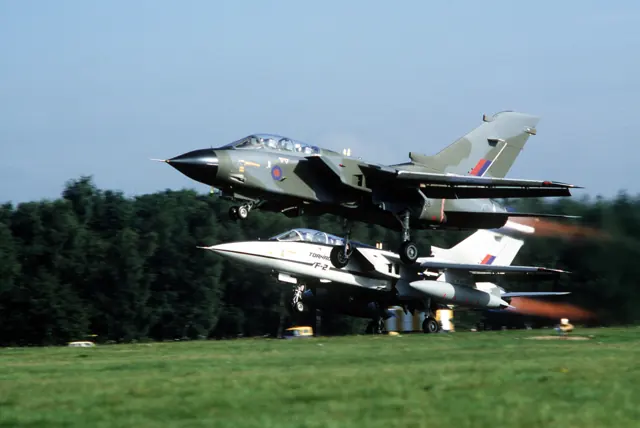
A European variable-sweep combat-aircraft family with distinct strike and interceptor versions.
A utility-aircraft family whose stretched 207 branch trades compact proportions for more cabin space.
A composite amphibian that carries Dornier's centreline engine arrangement into the turboprop era.
A cabin biplane with the lower wing placed ahead of the upper one.
Cirrus's first type-certified aircraft, a composite piston single.
An enclosed, two-seat autogyro with side-by-side seating and a pusher propeller.
A purpose-built agricultural aircraft that also became a single-engine air tanker.
A twin-hull flying boat with its engines mounted together above the wing.
A utility piston twin designed for commuter and specialist transport missions.
A pressurised twin turboprop with a canard, composite airframe and rear-facing propellers.
A lightweight short-field aircraft with a specialised wing and tall, shock-absorbing landing gear.
A midsize business jet developed by Bombardier’s Learjet division.
The four-engine wide-body whose raised flight deck created one of aviation's most recognisable profiles.
A four-bladed utility helicopter developed from the LongRanger lineage.
Ted Smith's piston twin, later produced by Piper as the Aerostar.
A compact utility helicopter distinguished by its enclosed Fenestron tail rotor.
A Polish utility aircraft designed for short takeoffs and landings.
A post-war Czech light twin with a rounded cabin and engines carried on a low wing.
A corrugated-metal transport best known in its three-engine form.
The Wilga is the real-aircraft starting point for Mike Patey's DRACO and the simulator's DRACO X.
This is AirframeDB’s first release. More features and aircraft research are planned. Leave your email if you’d like occasional updates.