MSFS
Dauphin AS365 / HH-65 ↗
A streamlined twin-engine helicopter with a Fenestron tail rotor and retractable landing gear.
1 implementations+ Compare
Explore the aircraft. Find your simulator. Follow the sources.
A streamlined twin-engine helicopter with a Fenestron tail rotor and retractable landing gear.
The four-engine wide-body whose raised flight deck created one of aviation's most recognisable profiles.
A four-abreast regional-jet family spanning the E170, E175, E190 and E195.
A rear-engined trijet built to bring jet service to shorter routes and smaller airports.
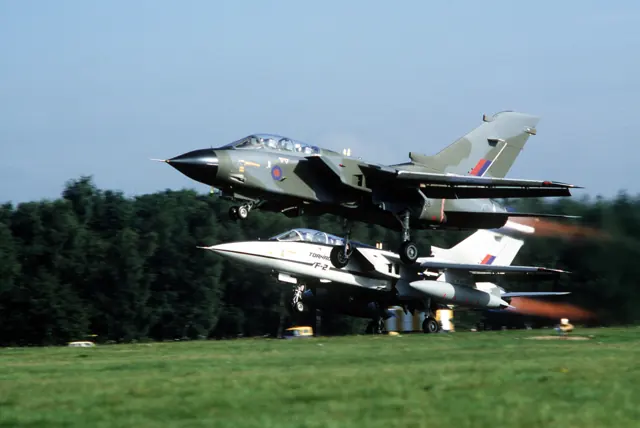
A European variable-sweep combat-aircraft family with distinct strike and interceptor versions.
TorqueSim's Pocket Rocket, a simulated PT6-powered light aircraft with two gear layouts.
The JetRanger and LongRanger family: a familiar turbine-helicopter shape with distinct cabin lengths.
An advanced trainer known around the world as the Texan, Harvard and SNJ.
A personal jet with one engine above the rear fuselage and a distinctive V-tail.
A twin-engine business jet designed to retain some of the utility flexibility associated with the PC-12.
The Stationair utility family, combining a high wing with fixed landing gear.
A four-engine tactical transport built around a rear loading ramp and access to austere airfields.
A super-midsize business jet with a swept wing, rear-mounted engines and an integrated glass cockpit.
A compact rear-engined jet designed for short-haul regional airline work.
Two related Dutch regional jets developed from the F28 lineage.
A post-war Czech light twin with a rounded cabin and engines carried on a low wing.
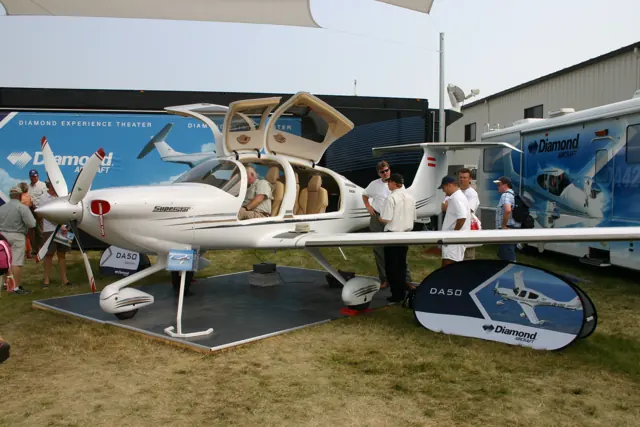
A five-seat composite single whose development led to the diesel DA50 RG.
A pressurised touring twin whose piston and turbine-conversion versions make a particularly interesting comparison.
A large twin-engine helicopter from the Super Puma line, used for offshore and public-service work.
An Italian light aircraft known for military training and aerobatic use.
A radial-engined utility aircraft closely associated with bush flying and float operations.
A long-range twin whose programme emphasised composite construction and more electrically powered systems.
A box-shaped utility twin whose cabin and rear access are central to its design.
Tecnam's two-seat, low-wing Sierra, introduced in the early 2000s.
This is AirframeDB’s first release. More features and aircraft research are planned. Leave your email if you’d like occasional updates.