MSFS X-Plane
Bell 206 family ↗
The JetRanger and LongRanger family: a familiar turbine-helicopter shape with distinct cabin lengths.
3 implementations+ Compare
Explore the aircraft. Find your simulator. Follow the sources.
The JetRanger and LongRanger family: a familiar turbine-helicopter shape with distinct cabin lengths.
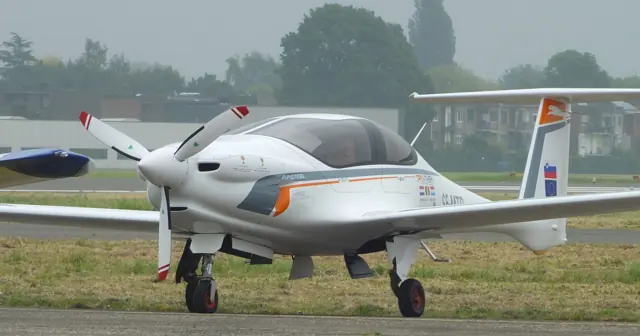
Pipistrel's streamlined four-seat composite-aircraft design.
A hybrid-electric regional-airliner concept represented in the simulator while the real programme develops.
A utility-aircraft family whose stretched 207 branch trades compact proportions for more cabin space.
A high-wing twin turboprop developed for regional freight and passenger transport.
Epic's experimental light-jet project, represented in simulation by Aerobask.
Two related Dutch regional jets developed from the F28 lineage.
A low-wing piston family that spans simple trainers, touring aircraft and retractable-gear Arrows.
A high-wing utility aircraft known for short-field work and a broad choice of working configurations.
The four-engine wide-body whose raised flight deck created one of aviation's most recognisable profiles.
Diamond's four-seat light twin, developed with diesel-powered versions.
A low-wing agricultural Cessna with a cockpit and hopper arranged around the job.
A four-seat composite touring and training aircraft developed from Diamond's smaller two-seater.
A single-engine utility helicopter known as the Écureuil, Squirrel and AStar.
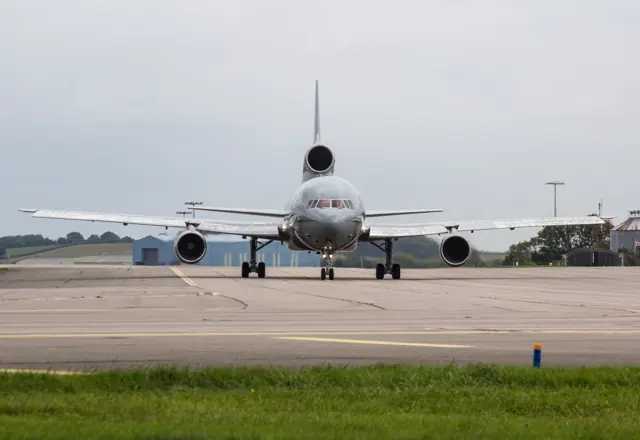
Lockheed's wide-body TriStar, with three RB211 engines and a distinctive tail intake.
Regional flying built around a high wing, two turboprops and short sectors.
A four-seat kit-built touring aircraft that expanded the RV family beyond two-seat designs.
A compact utility helicopter distinguished by its enclosed Fenestron tail rotor.
A four-seat touring family whose Commander 114 added a larger engine and further refinements.
A four-bladed utility helicopter developed from the LongRanger lineage.
A twin-turbine Huey descendant with a four-blade main rotor.
A small twin-engine amphibian that moved from business transport into military and utility service.
A stretched development of the DC-9 with rear-mounted engines and a five-abreast cabin.
A Canadian tandem-seat trainer developed after the Second World War.
This is AirframeDB’s first release. More features and aircraft research are planned. Leave your email if you’d like occasional updates.