X-Plane
McDonnell Douglas AV-8B Harrier II ↗
The second-generation Harrier, designed around vectored thrust and short-field operation.
1 implementations+ Compare
Explore the aircraft. Find your simulator. Follow the sources.
The second-generation Harrier, designed around vectored thrust and short-field operation.
A large twin-engine helicopter from the Super Puma line, used for offshore and public-service work.
A fixed-gear twin turboprop with a long history in regional and remote-area transport.
A utility-aircraft family whose stretched 207 branch trades compact proportions for more cabin space.
A 1920s flying boat with two engines arranged in tandem above the wing.
A rear-engined trijet built to bring jet service to shorter routes and smaller airports.
A compact utility helicopter distinguished by its enclosed Fenestron tail rotor.
The Huey: a turbine-powered utility helicopter with a broad cabin and an unmistakable two-bladed rotor.
A carbon-fibre aerobatic monoplane family with a dedicated air-racing branch.
Airbus's first production aircraft, built around a twin-engine wide-body layout.
A four-bladed utility helicopter developed from the LongRanger lineage.
A Polish utility aircraft designed for short takeoffs and landings.
A regional jet family with four small engines, a high wing and a large split tail airbrake.
Avro's delta-wing bomber, developed for Britain's postwar strategic force.
A pressurised touring twin whose piston and turbine-conversion versions make a particularly interesting comparison.
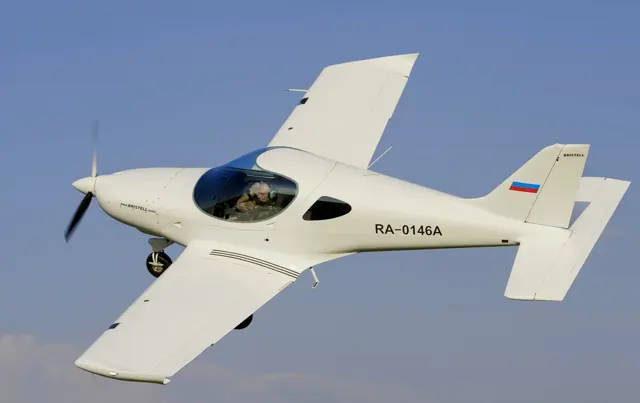
BRM Aero's two-seat B23, represented in MSFS by Airfoillabs.
A small twin-engine amphibian that moved from business transport into military and utility service.
A long-range twin whose programme emphasised composite construction and more electrically powered systems.
A corrugated-metal, three-engine transport from the formative years of airline travel.
A large long-haul twin that introduced Boeing's first commercial fly-by-wire airliner flight controls.
A heavy-lift helicopter built around an open frame and an external working load.
Tecnam's two-seat, low-wing Sierra, introduced in the early 2000s.
A two-seat light amphibian with a compact boat hull and a pusher propeller.
A push-pull twin with one engine at each end of the central fuselage.
This is AirframeDB’s first release. More features and aircraft research are planned. Leave your email if you’d like occasional updates.