MSFS X-Plane
Panavia Tornado ↗
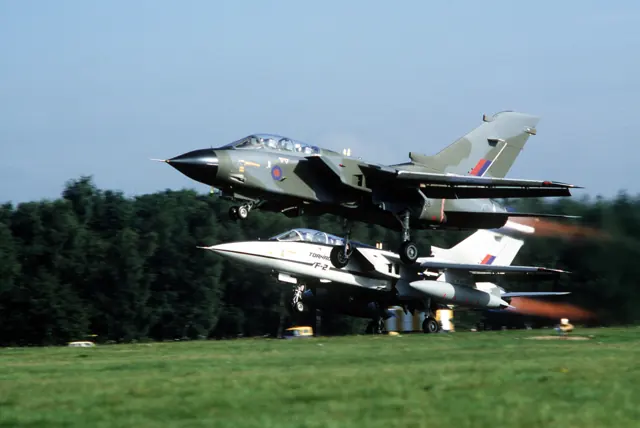
A European variable-sweep combat-aircraft family with distinct strike and interceptor versions.
2 implementations+ Compare
Explore the aircraft. Find your simulator. Follow the sources.
A European variable-sweep combat-aircraft family with distinct strike and interceptor versions.
A self-launching sailplane family with its engine inside the fuselage and a folding nose propeller.
A six-engine flying boat created for long-distance passenger travel over water.
A tandem-seat light aircraft with a streamlined low-wing layout.
The Mitchell medium bomber, named for aviation advocate Billy Mitchell.
The purpose-built Ryan monoplane used by Charles Lindbergh for his 1927 solo Atlantic crossing.
A vast inter-war flying boat with twelve engines arranged in six paired installations.
A midsize business jet developed by Bombardier’s Learjet division.
A twin-engine business jet designed to retain some of the utility flexibility associated with the PC-12.
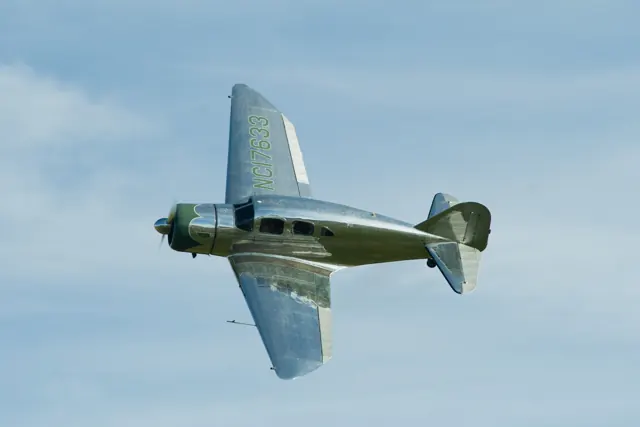
A late-1930s cabin aircraft with metal construction and retractable landing gear.
A large twin-radial transport that carried heavy loads through wartime and post-war freight service.
A stretched development of the DC-9 with rear-mounted engines and a five-abreast cabin.
A single-engine turboprop workhorse for passenger services, freight and remote-area transport.
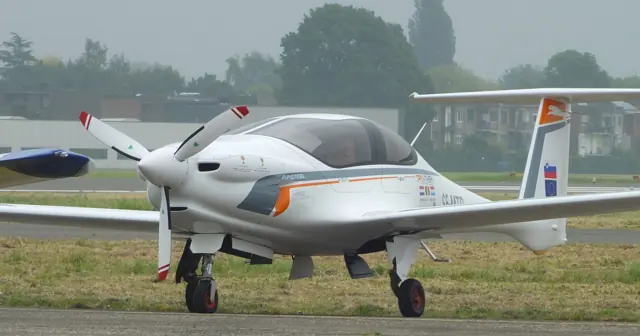
Pipistrel's streamlined four-seat composite-aircraft design.
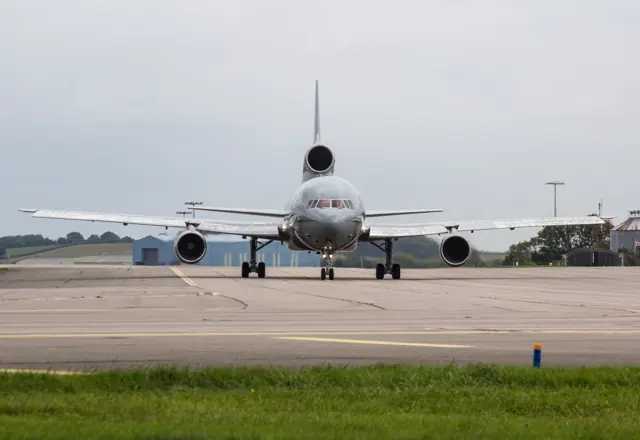
Lockheed's wide-body TriStar, with three RB211 engines and a distinctive tail intake.
A compact Japanese twin turboprop with a high wing and pressurised cabin.
A long-haul twin whose family spans passenger, freight and specialist transport roles.
Tecnam's two-seat, low-wing Sierra, introduced in the early 2000s.
A two-seat, twin-engine fighter that served naval and land-based air forces in many roles.
A corrugated-metal, three-engine transport from the formative years of airline travel.
A long-range trijet developed from the DC-10 with a stretched fuselage and revised wing and cockpit.
A small observation-helicopter family with a rounded cabin and compact rotor system.
A tailwheel utility single built around a high wing and a substantial working cabin.
The Wilga is the real-aircraft starting point for Mike Patey's DRACO and the simulator's DRACO X.
This is AirframeDB’s first release. More features and aircraft research are planned. Leave your email if you’d like occasional updates.