MSFS X-Plane
Aérospatiale SA 315B Lama ↗
A light turbine helicopter combining an Alouette II airframe with more powerful Alouette III components.
2 implementations+ Compare
Explore the aircraft. Find your simulator. Follow the sources.
A light turbine helicopter combining an Alouette II airframe with more powerful Alouette III components.
The second-generation Harrier, designed around vectored thrust and short-field operation.
A long-range twin whose programme emphasised composite construction and more electrically powered systems.
A turbine-powered utility helicopter with a broad cabin and a long international service history.
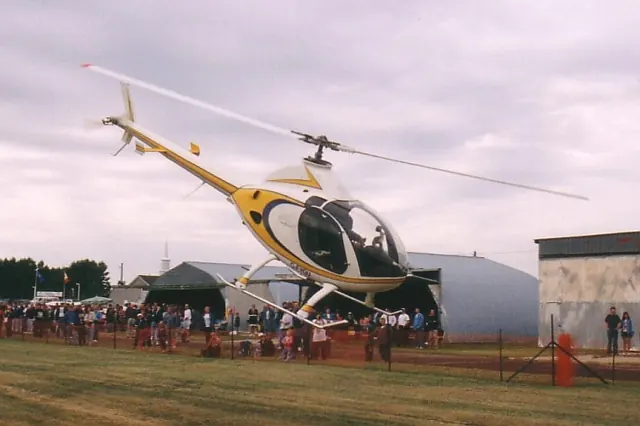
RotorWay's two-seat kit-helicopter family, with piston and turbine simulator interpretations.
A low-wing piston twin that carries the Beechcraft touring-aircraft lineage into two-engine flying.
A single-engine utility helicopter known as the Écureuil, Squirrel and AStar.
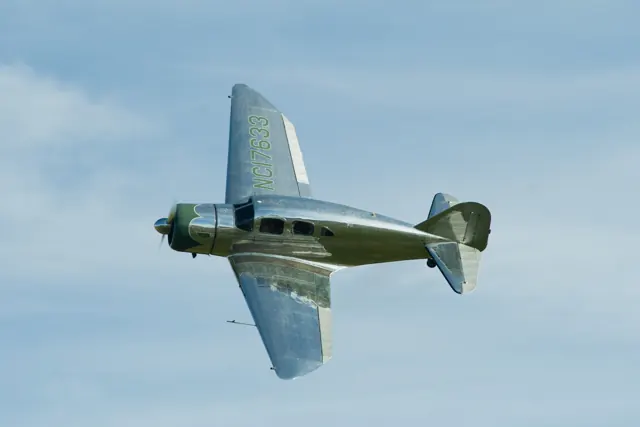
A late-1930s cabin aircraft with metal construction and retractable landing gear.
Diamond's four-seat light twin, developed with diesel-powered versions.
A twin-radial military transport with a rear ramp and short-field design priorities.
Ted Smith's piston twin, later produced by Piper as the Aerostar.
A compact Japanese twin turboprop with a high wing and pressurised cabin.
A tandem-seat light aircraft with a streamlined low-wing layout.
A twin-turboprop family whose smaller conventional-tail and larger T-tail branches have distinct identities.
A compact rear-engined jet designed for short-haul regional airline work.
A push-pull twin with one engine at each end of the central fuselage.
A modern medium twin-engine helicopter developed as a successor to the Dauphin line.
Piper's two-seat trainer with fixed tricycle landing gear.
The Wilga is the real-aircraft starting point for Mike Patey's DRACO and the simulator's DRACO X.
A four-seat high-wing single that spans generations of conventional instruments and glass cockpits.
A small observation-helicopter family with a rounded cabin and compact rotor system.
A Swedish reconnaissance and dive-bombing aircraft from the early 1940s.
A French two-seat aerobatic trainer with side-by-side seating and a distinctive curved wing outline.
A Polish utility aircraft designed for short takeoffs and landings.
This is AirframeDB’s first release. More features and aircraft research are planned. Leave your email if you’d like occasional updates.