MSFS X-Plane
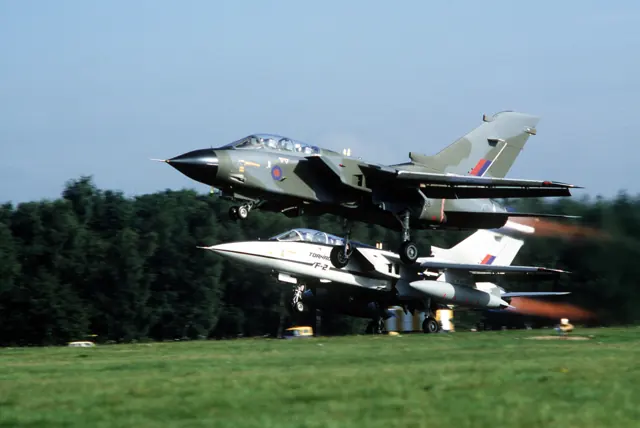
Panavia Tornado ↗
A European variable-sweep combat-aircraft family with distinct strike and interceptor versions.
2 implementations+ Compare
Explore the aircraft. Find your simulator. Follow the sources.
A European variable-sweep combat-aircraft family with distinct strike and interceptor versions.
A Swedish reconnaissance and dive-bombing aircraft from the early 1940s.
A long-range twin whose programme emphasised composite construction and more electrically powered systems.
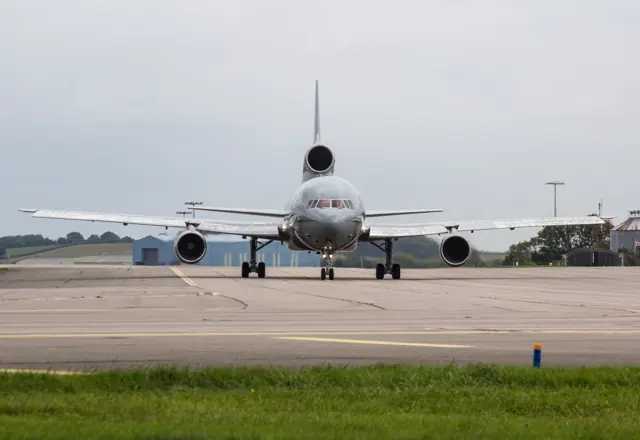
Lockheed's wide-body TriStar, with three RB211 engines and a distinctive tail intake.
An Italian light aircraft known for military training and aerobatic use.
A DC-10-derived tanker that combined aerial refuelling with passenger and cargo transport.
A twin-radial military transport with a rear ramp and short-field design priorities.
A small observation-helicopter family with a rounded cabin and compact rotor system.
A single-seat aerobatic monoplane that also became a familiar air-racing aircraft.
The JetRanger and LongRanger family: a familiar turbine-helicopter shape with distinct cabin lengths.
A box-shaped utility twin whose cabin and rear access are central to its design.
Cirrus's first type-certified aircraft, a composite piston single.
A rear-engined trijet built to bring jet service to shorter routes and smaller airports.
Epic's experimental light-jet project, represented in simulation by Aerobask.
A corrugated-metal, three-engine transport from the formative years of airline travel.
A vast inter-war flying boat with twelve engines arranged in six paired installations.
Diamond's four-seat light twin, developed with diesel-powered versions.
A compact racing aeroplane built around a large radial engine and very short fuselage.
A small twin-engine amphibian that moved from business transport into military and utility service.
A pressurised single-engine turboprop family that combines a compact cabin with retractable gear.
A close-air-support aircraft with a straight wing, twin tail and two widely separated jet engines.
A push-pull twin with one engine at each end of the central fuselage.
A compact Czech touring aircraft with side-by-side seats and a streamlined low-wing airframe.
The purpose-built Ryan monoplane used by Charles Lindbergh for his 1927 solo Atlantic crossing.
This is AirframeDB’s first release. More features and aircraft research are planned. Leave your email if you’d like occasional updates.