MSFS
Dornier Seastar ↗
A composite amphibian that carries Dornier's centreline engine arrangement into the turboprop era.
1 implementations+ Compare
Explore the aircraft. Find your simulator. Follow the sources.
A composite amphibian that carries Dornier's centreline engine arrangement into the turboprop era.
A corrugated-metal transport best known in its three-engine form.
A regional jet family with four small engines, a high wing and a large split tail airbrake.
A four-engine airliner that brought pressurised-cabin travel into scheduled service.
A six-engine flying boat created for long-distance passenger travel over water.
A military transport developed from the DC-3, used for cargo, troops, parachuting and glider towing.
A Polish utility aircraft designed for short takeoffs and landings.
A 1920s flying boat with two engines arranged in tandem above the wing.
A cabin-class piston twin designed for commuter, cargo and utility work.
A modern two-seat piston helicopter designed around the training role.
A three-engine airliner that became a mainstay of Soviet and Russian passenger transport.
A military liaison aircraft built around a high wing, tandem cabin and short-field utility work.
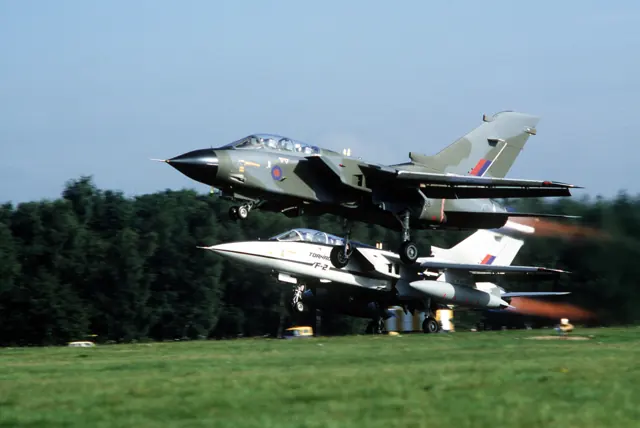
A European variable-sweep combat-aircraft family with distinct strike and interceptor versions.
A twin-aisle Boeing designed alongside the 757's generation of two-pilot flight decks.
A vast inter-war flying boat with twelve engines arranged in six paired installations.
Dassault's long-range Falcon 8X, developed from the three-engine 7X.
A specialised reconnaissance aircraft designed for very high altitude and sustained supersonic flight.
A two-seat training single with a high wing and fixed tricycle landing gear.
A compact Czech touring aircraft with side-by-side seats and a streamlined low-wing airframe.
A six-seat composite single turboprop with a pressurised cabin and retractable gear.
Tecnam's two-seat, low-wing Sierra, introduced in the early 2000s.
A two-seat Tecnam high-wing aircraft combining composite and metal construction.
A twin-turboprop family whose smaller conventional-tail and larger T-tail branches have distinct identities.
A wooden touring-aircraft family recognisable by the upward-angled outer wing panels.
This is AirframeDB’s first release. More features and aircraft research are planned. Leave your email if you’d like occasional updates.