X-Plane
Eclipse 550 ↗
A very light twin jet developed from the Eclipse 500.
1 implementations+ Compare
Explore the aircraft. Find your simulator. Follow the sources.
A very light twin jet developed from the Eclipse 500.
A light turbine helicopter combining an Alouette II airframe with more powerful Alouette III components.
A four-engine tactical transport built around a rear loading ramp and access to austere airfields.
A utility piston twin designed for commuter and specialist transport missions.
A long-range trijet developed from the DC-10 with a stretched fuselage and revised wing and cockpit.
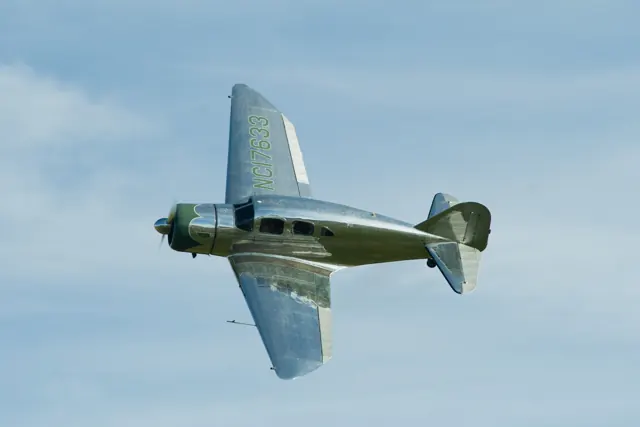
A late-1930s cabin aircraft with metal construction and retractable landing gear.
A compact two-seat light aircraft with a high wing and a wide range of development variants.
A British jet trainer with tandem seating and a long military training career.
Piper's PA-31 utility twin, used in commuter, cargo and corporate transport.
A compact Japanese twin turboprop with a high wing and pressurised cabin.
A narrow-body twin developed as a new generation of medium-range airliner.
A two-seat Tecnam high-wing aircraft combining composite and metal construction.
A four-seat composite touring and training aircraft developed from Diamond's smaller two-seater.
A single-seat competition sailplane offered in Standard and 18-metre configurations.
A twin-hull flying boat with its engines mounted together above the wing.
A pioneering light helicopter whose bubble cabin and exposed structure became widely recognisable.
A wartime fighter developed from the earlier Curtiss P-36.
A corrugated-metal transport best known in its three-engine form.
A long-range twin designed around a new wide-body airframe and extensive composite construction.
A four-seat high-wing single that spans generations of conventional instruments and glass cockpits.
A post-war Czech light twin with a rounded cabin and engines carried on a low wing.
A push-pull twin with one engine at each end of the central fuselage.
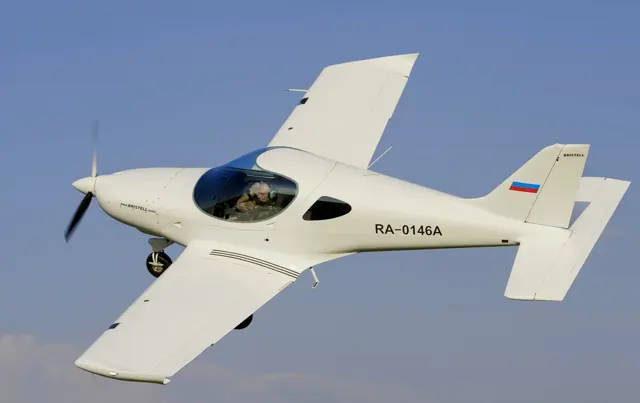
BRM Aero's two-seat B23, represented in MSFS by Airfoillabs.
A box-shaped utility twin whose cabin and rear access are central to its design.
This is AirframeDB’s first release. More features and aircraft research are planned. Leave your email if you’d like occasional updates.