MSFS X-Plane
Cessna 152 / Aerobat ↗
A two-seat training single with a high wing and fixed tricycle landing gear.
5 implementations+ Compare
Explore the aircraft. Find your simulator. Follow the sources.
A two-seat training single with a high wing and fixed tricycle landing gear.
A long-range trijet developed from the DC-10 with a stretched fuselage and revised wing and cockpit.
A twin-turbine Huey descendant with a four-blade main rotor.
A low-wing piston twin that carries the Beechcraft touring-aircraft lineage into two-engine flying.
An advanced trainer known around the world as the Texan, Harvard and SNJ.
Beechcraft's Model 76, designed to introduce pilots to twin-engine flying.
A small observation-helicopter family with a rounded cabin and compact rotor system.
A very light twin jet developed from the Eclipse 500.
The JetRanger and LongRanger family: a familiar turbine-helicopter shape with distinct cabin lengths.
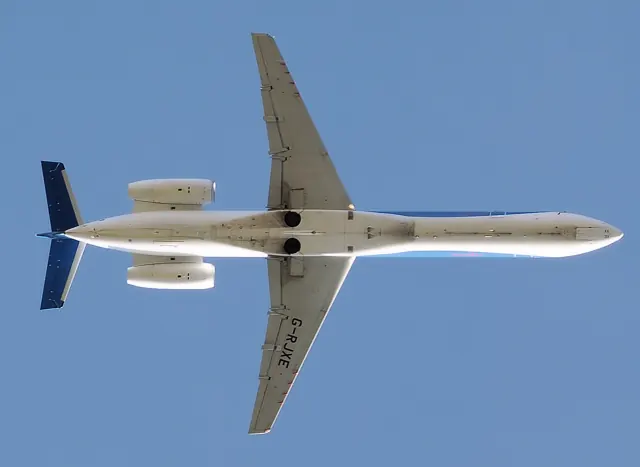
Embraer's regional-jet family, from the ERJ 135 to the longer ERJ 145.
Epic's experimental light-jet project, represented in simulation by Aerobask.
A small two-seat piston helicopter with a two-bladed main rotor.
A high-wing utility aircraft known for short-field work and a broad choice of working configurations.
A wide-cabin business-jet family that developed from Canadair's original Challenger programme.
A streamlined light twin helicopter, with the later Bell 230 in the same family.
Mooney's four-seat piston family, developed through many touring-aircraft variants.
A medium commercial helicopter designed for passenger and utility transport.
Piper's PA-31 utility twin, used in commuter, cargo and corporate transport.
A compact twin-engine transport helicopter with retractable gear and a long development history.
A light business jet with a swept wing, rear-mounted engines and an integrated flight deck.
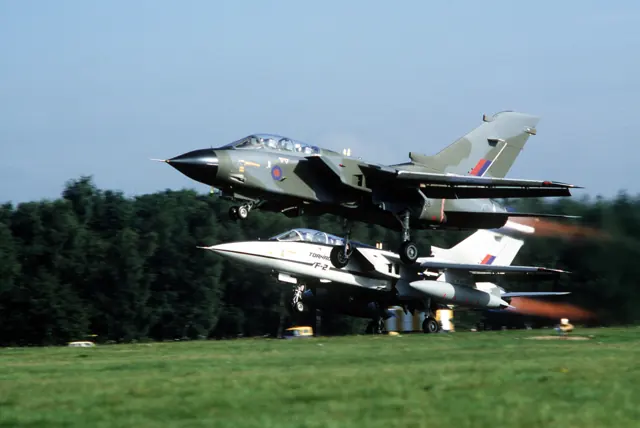
A European variable-sweep combat-aircraft family with distinct strike and interceptor versions.
A pressurised single turboprop with a large cargo door and a broad range of working roles.
An Italian light aircraft known for military training and aerobatic use.
A stretched development of the DC-9 with rear-mounted engines and a five-abreast cabin.
This is AirframeDB’s first release. More features and aircraft research are planned. Leave your email if you’d like occasional updates.