MSFS
Mitsubishi MU-2 ↗
A compact Japanese twin turboprop with a high wing and pressurised cabin.
1 implementations+ Compare
Explore the aircraft. Find your simulator. Follow the sources.
A compact Japanese twin turboprop with a high wing and pressurised cabin.
A midsize business jet developed by Bombardier’s Learjet division.
A three-engine airliner that became a mainstay of Soviet and Russian passenger transport.
A long-range twin whose programme emphasised composite construction and more electrically powered systems.
A two-seat composite trainer with a low wing and a large canopy.
Cessna's retractable-gear Centurion, a high-wing touring aircraft.
A two-seat, twin-engine fighter that served naval and land-based air forces in many roles.
A pressurised touring twin whose piston and turbine-conversion versions make a particularly interesting comparison.
A small two-seat piston helicopter with a two-bladed main rotor.
A two-seat Tecnam high-wing aircraft combining composite and metal construction.
Avro's delta-wing bomber, developed for Britain's postwar strategic force.
A four-engine jetliner that helped establish the shape of long-distance jet travel.
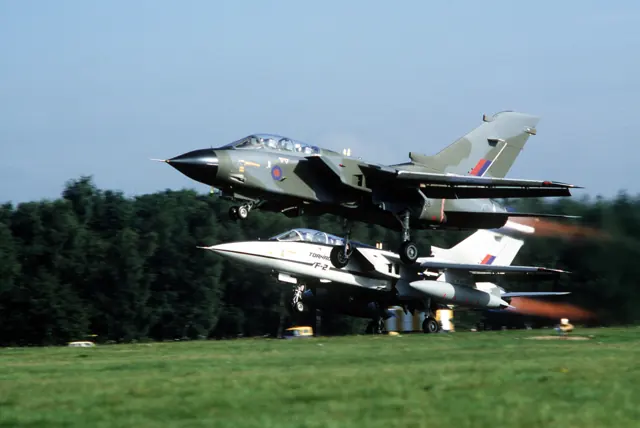
A European variable-sweep combat-aircraft family with distinct strike and interceptor versions.
A cabin-class piston twin designed for commuter, cargo and utility work.
A post-war Businessliner with a radial engine, cabin transport ambitions and tailwheel gear.
A tailwheel utility single built around a high wing and a substantial working cabin.
Dassault's long-range Falcon 8X, developed from the three-engine 7X.
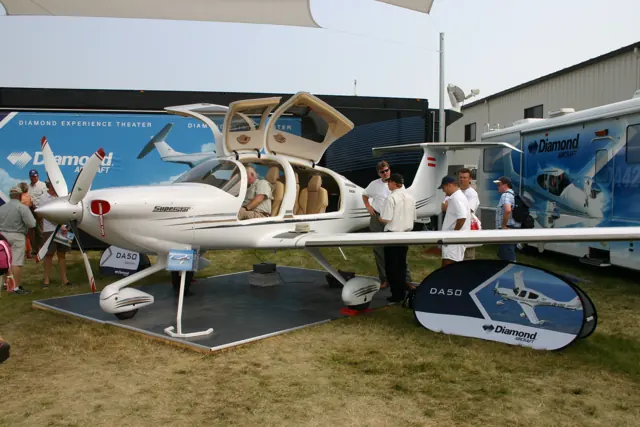
A five-seat composite single whose development led to the diesel DA50 RG.
A composite touring single with a whole-aircraft parachute and several generations of avionics.
A Canadian tandem-seat trainer developed after the Second World War.
A compact rear-engined jet designed for short-haul regional airline work.
A small observation-helicopter family with a rounded cabin and compact rotor system.
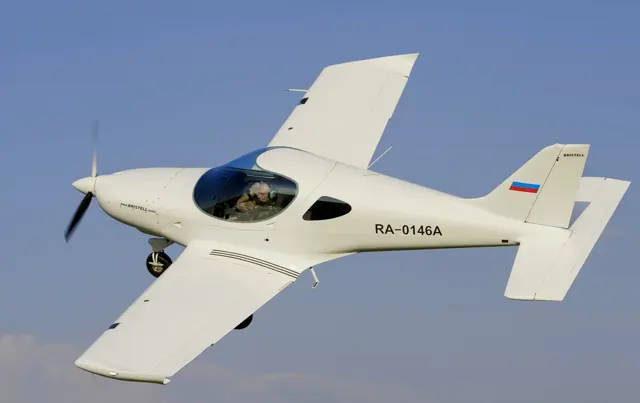
BRM Aero's two-seat B23, represented in MSFS by Airfoillabs.
A 1920s flying boat with two engines arranged in tandem above the wing.
This is AirframeDB’s first release. More features and aircraft research are planned. Leave your email if you’d like occasional updates.