MSFS
Lockheed L-1011 TriStar ↗
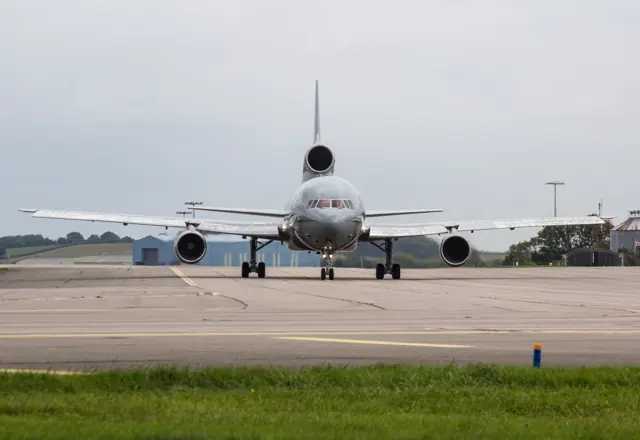
Lockheed's wide-body TriStar, with three RB211 engines and a distinctive tail intake.
1 implementations+ Compare
Explore the aircraft. Find your simulator. Follow the sources.
Lockheed's wide-body TriStar, with three RB211 engines and a distinctive tail intake.
Piper's PA-31 utility twin, used in commuter, cargo and corporate transport.
A four-engine tactical transport built around a rear loading ramp and access to austere airfields.
A four-engine airliner whose history also includes long-range maritime military service.
A four-engine jetliner that helped establish the shape of long-distance jet travel.
A four-seat composite touring and training aircraft developed from Diamond's smaller two-seater.
A six-engine heavy transport created for exceptionally large external and internal loads.
A purpose-built agricultural aircraft that also became a single-engine air tanker.
A fixed-wing observation aircraft with a helicopter-like view from its glazed nose.
A high-wing utility turboprop designed for short-field passenger and cargo work.
The four-engine wide-body whose raised flight deck created one of aviation's most recognisable profiles.
A compact aerobatic biplane family with both single-seat and tandem-seat branches.
A medium commercial helicopter designed for passenger and utility transport.
A composite, low-wing touring single with fixed gear and a turbocharged engine.
A large twin-radial transport that carried heavy loads through wartime and post-war freight service.
A four-engine Airbus wide-body developed in parallel with the A330.
Tecnam's four-seat high-wing single, built with metal and carbon-fibre components.
A twin-turboprop family whose smaller conventional-tail and larger T-tail branches have distinct identities.
A long-running touring single, familiar in both V-tail and conventional-tail forms.
A long-range strategic bomber with a swept wing and eight jet engines in paired pods.
A radial-engine trainer that also served in combat and civilian warbird roles.
A pressurised twin turboprop with a canard, composite airframe and rear-facing propellers.
The second-generation Harrier, designed around vectored thrust and short-field operation.
A carbon-fibre aerobatic monoplane family with a dedicated air-racing branch.
This is AirframeDB’s first release. More features and aircraft research are planned. Leave your email if you’d like occasional updates.


























