X-Plane
Lancair Legacy ↗
A two-seat composite kit aircraft developed from the Lancair 320.
1 implementations+ Compare
Explore the aircraft. Find your simulator. Follow the sources.
A two-seat composite kit aircraft developed from the Lancair 320.
The four-engine wide-body whose raised flight deck created one of aviation's most recognisable profiles.
A British utility twin built around short regional and practical transport work.
A Polish utility aircraft designed for short takeoffs and landings.
The four-engine Flying Fortress, a major American bomber of the Second World War.
A small two-seat piston helicopter with a two-bladed main rotor.
Epic's experimental light-jet project, represented in simulation by Aerobask.
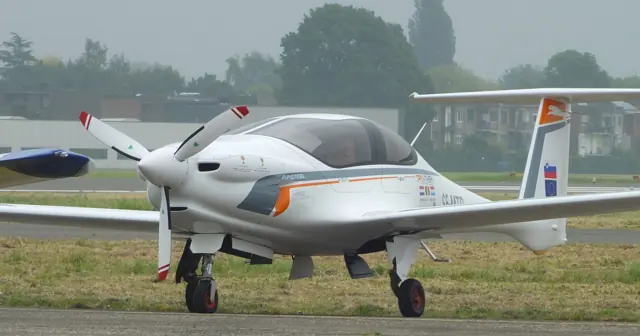
Pipistrel's streamlined four-seat composite-aircraft design.
A tandem-seat light aircraft with a streamlined low-wing layout.
A short-haul jet family that evolved through several generations of engines, wings and flight decks.
Avro's delta-wing bomber, developed for Britain's postwar strategic force.
A low-wing piston twin that carries the Beechcraft touring-aircraft lineage into two-engine flying.
A four-engine Airbus wide-body developed in parallel with the A330.
A twin-turbine Huey descendant with a four-blade main rotor.
A DC-10-derived tanker that combined aerial refuelling with passenger and cargo transport.
A regional turboprop family whose short early versions and larger Q400 have different proportions and systems.
A wide-cabin business-jet family that developed from Canadair's original Challenger programme.
A four-engine tactical transport built around a rear loading ramp and access to austere airfields.
A heavy transport helicopter whose two large rotors remove the need for a tail rotor.
A composite touring single with a whole-aircraft parachute and several generations of avionics.
An advanced trainer known around the world as the Texan, Harvard and SNJ.
A British jet trainer with tandem seating and a long military training career.
An open, single-seat ultralight with its propeller behind the pilot.
The Mitchell medium bomber, named for aviation advocate Billy Mitchell.
This is AirframeDB’s first release. More features and aircraft research are planned. Leave your email if you’d like occasional updates.