MSFS X-Plane
Robinson R22 Beta II ↗
A small two-seat piston helicopter with a two-bladed main rotor.
2 implementations+ Compare
Explore the aircraft. Find your simulator. Follow the sources.
A small two-seat piston helicopter with a two-bladed main rotor.
The CJ4 belongs to Cessna's light-jet line, with two rear-mounted engines and a T-tail.
An amphibious turboprop designed around scooping water and delivering it to fires.
A light turbine helicopter combining an Alouette II airframe with more powerful Alouette III components.
Piper's two-seat trainer with fixed tricycle landing gear.
A two-seat composite trainer with a low wing and a large canopy.
A tandem two-seat sailplane designed for instruction and broader soaring use.
Beechcraft's Model 76, designed to introduce pilots to twin-engine flying.
A four-engine airliner whose history also includes long-range maritime military service.
A large amphibious flying boat built around maritime rescue and utility transport.
A compact Italian light twin with a shoulder wing and metal airframe.
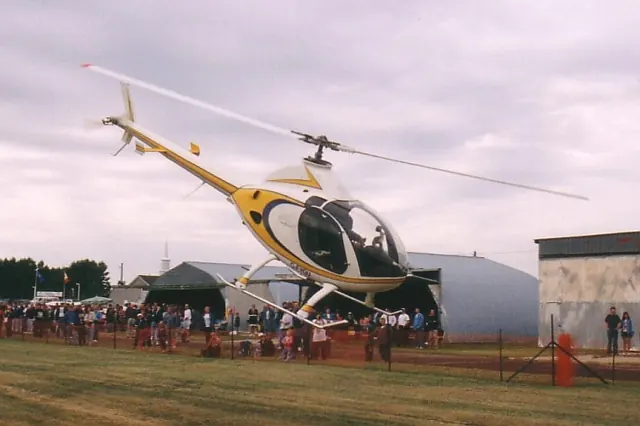
RotorWay's two-seat kit-helicopter family, with piston and turbine simulator interpretations.
A two-seat naval fighter with variable-sweep wings and a cockpit built around pilot and radar-intercept officer roles.
A regional jet family with four small engines, a high wing and a large split tail airbrake.
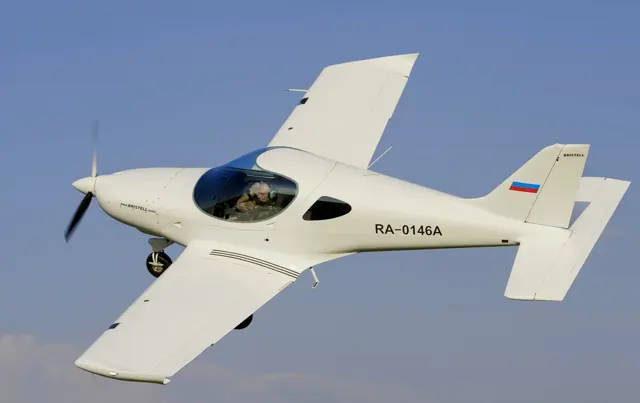
BRM Aero's two-seat B23, represented in MSFS by Airfoillabs.
A tandem two-seat sailplane family used for training and cross-country soaring.
A small observation-helicopter family with a rounded cabin and compact rotor system.
A long-range trijet developed from the DC-10 with a stretched fuselage and revised wing and cockpit.
A high-wing utility turboprop designed for short-field passenger and cargo work.
A long-haul twin whose family spans passenger, freight and specialist transport roles.
A large twin-engine helicopter from the Super Puma line, used for offshore and public-service work.
A pressurised twin turboprop with a canard, composite airframe and rear-facing propellers.
A 1920s flying boat with two engines arranged in tandem above the wing.
This is AirframeDB’s first release. More features and aircraft research are planned. Leave your email if you’d like occasional updates.