X-Plane
Bell 412 ↗
A twin-turbine Huey descendant with a four-blade main rotor.
1 implementations+ Compare
Explore the aircraft. Find your simulator. Follow the sources.
A twin-turbine Huey descendant with a four-blade main rotor.
A twin-turboprop utility aircraft developed by Reims Aviation with Cessna.
A retractable-gear touring single with an all-metal airframe and a long-lived enthusiast following.
A streamlined twin-engine helicopter with a Fenestron tail rotor and retractable landing gear.
A compact utility helicopter distinguished by its enclosed Fenestron tail rotor.
A shorter wide-body Airbus from the transition to two-pilot, electronic-instrument cockpits.
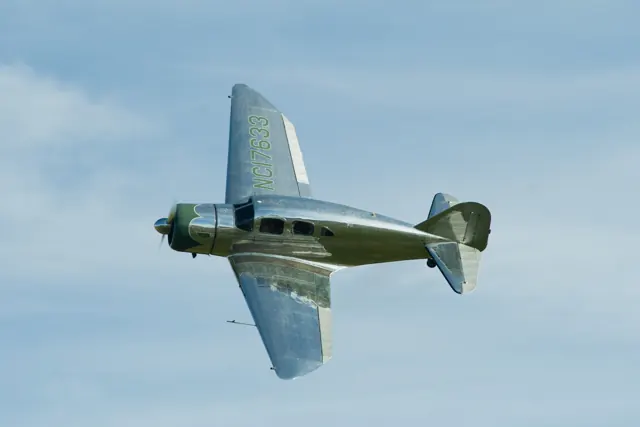
A late-1930s cabin aircraft with metal construction and retractable landing gear.
A heavy transport helicopter whose two large rotors remove the need for a tail rotor.
Diamond's four-seat light twin, developed with diesel-powered versions.
A cabin biplane with the lower wing placed ahead of the upper one.
A pressurised single turboprop with a large cargo door and a broad range of working roles.
A six-engine heavy transport created for exceptionally large external and internal loads.
A hybrid-electric regional-airliner concept represented in the simulator while the real programme develops.
A corrugated-metal transport best known in its three-engine form.
A two-seat light amphibian with a compact boat hull and a pusher propeller.
A modern utility single whose family includes both tailwheel and nosewheel configurations.
A personal jet with one engine above the rear fuselage and a distinctive V-tail.
Avro's delta-wing bomber, developed for Britain's postwar strategic force.
The H130 utility helicopter, descended from the AS350 and fitted with a Fenestron.
A single-seat competition sailplane offered in Standard and 18-metre configurations.
A regional turboprop family whose short early versions and larger Q400 have different proportions and systems.
A pressurised twin turboprop with a canard, composite airframe and rear-facing propellers.
Tecnam's four-seat high-wing single, built with metal and carbon-fibre components.
This is AirframeDB’s first release. More features and aircraft research are planned. Leave your email if you’d like occasional updates.