X-Plane
McDonnell Douglas F-4 Phantom II ↗
A two-seat, twin-engine fighter that served naval and land-based air forces in many roles.
2 implementations+ Compare
Explore the aircraft. Find your simulator. Follow the sources.
A two-seat, twin-engine fighter that served naval and land-based air forces in many roles.
A long-haul twin whose family spans passenger, freight and specialist transport roles.
A composite touring single with a whole-aircraft parachute and several generations of avionics.
A light tandem-seat taildragger built around the familiar braced high-wing layout.
A four-abreast regional-jet family spanning the E170, E175, E190 and E195.
A compact two-seat light aircraft with a high wing and a wide range of development variants.
A purpose-built aerobatic monoplane family developed by pilot and designer Walter Extra.
A pressurised twin turboprop with a canard, composite airframe and rear-facing propellers.
A shorter wide-body Airbus from the transition to two-pilot, electronic-instrument cockpits.
A large amphibious flying boat built around maritime rescue and utility transport.
A tandem-seat homebuilt jet with composite construction and retractable landing gear.
A long-range twin designed around a new wide-body airframe and extensive composite construction.
The JetRanger and LongRanger family: a familiar turbine-helicopter shape with distinct cabin lengths.
A midsize business jet developed by Bombardier’s Learjet division.
A pressurised four-engine piston transport from the last major generation before the jet airliner.
Cessna's retractable-gear Centurion, a high-wing touring aircraft.
A British utility twin built around short regional and practical transport work.
A regional jet family with four small engines, a high wing and a large split tail airbrake.
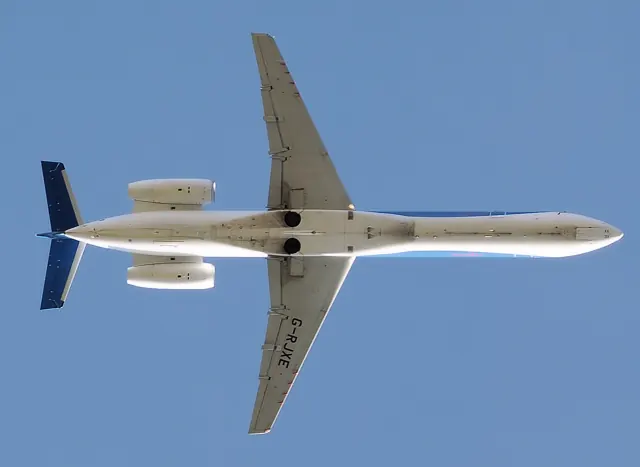
Embraer's regional-jet family, from the ERJ 135 to the longer ERJ 145.
A four-engine Airbus wide-body developed in parallel with the A330.
A single-seat competition sailplane offered in Standard and 18-metre configurations.
A Swedish reconnaissance and dive-bombing aircraft from the early 1940s.
An enclosed, two-seat autogyro with side-by-side seating and a pusher propeller.
A wooden touring-aircraft family recognisable by the upward-angled outer wing panels.
This is AirframeDB’s first release. More features and aircraft research are planned. Leave your email if you’d like occasional updates.