X-Plane
Cessna 337 Skymaster ↗
A push-pull twin with one engine at each end of the central fuselage.
1 implementations+ Compare
Explore the aircraft. Find your simulator. Follow the sources.
A push-pull twin with one engine at each end of the central fuselage.
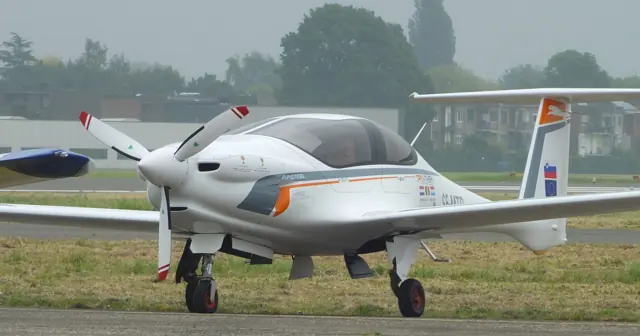
Pipistrel's streamlined four-seat composite-aircraft design.
A four-engine Airbus wide-body developed in parallel with the A330.
A twin-turboprop family whose smaller conventional-tail and larger T-tail branches have distinct identities.
A family of single-aisle airliners built around sidesticks, electronic flight controls and a shared cockpit.
A British jet trainer with tandem seating and a long military training career.
A composite, low-wing touring single with fixed gear and a turbocharged engine.
A heavy transport helicopter whose two large rotors remove the need for a tail rotor.
A composite amphibian that carries Dornier's centreline engine arrangement into the turboprop era.
Cirrus's first type-certified aircraft, a composite piston single.
A six-engine heavy transport created for exceptionally large external and internal loads.
A rear-engined trijet built to bring jet service to shorter routes and smaller airports.
A two-seat Tecnam high-wing aircraft combining composite and metal construction.
A five-seat turbine helicopter developed from Robinson's smaller piston-helicopter line.
A very light twin jet developed from the Eclipse 500.
A six-engine flying boat created for long-distance passenger travel over water.
A pioneering all-metal transport with an enclosed passenger cabin and corrugated skin.
Beechcraft's Model 76, designed to introduce pilots to twin-engine flying.
Two related Dutch regional jets developed from the F28 lineage.
An amphibious turboprop designed around scooping water and delivering it to fires.
A compact rear-engined jet designed for short-haul regional airline work.
An advanced trainer known around the world as the Texan, Harvard and SNJ.
A long-range twin designed around a new wide-body airframe and extensive composite construction.
A compact utility helicopter distinguished by its enclosed Fenestron tail rotor.
This is AirframeDB’s first release. More features and aircraft research are planned. Leave your email if you’d like occasional updates.