MSFS
Velocity XL ↗
An enlarged Velocity kit aircraft with a canard and rear-mounted pusher propeller.
1 implementations+ Compare
Explore the aircraft. Find your simulator. Follow the sources.
An enlarged Velocity kit aircraft with a canard and rear-mounted pusher propeller.
Two related Dutch regional jets developed from the F28 lineage.
A cabin-class piston twin designed for commuter, cargo and utility work.
A light turbine helicopter whose land-based Scout and naval Wasp branches served different jobs.
A pressurised single turboprop with a large cargo door and a broad range of working roles.
SOCATA's touring-aircraft family, including the Tobago and Trinidad.
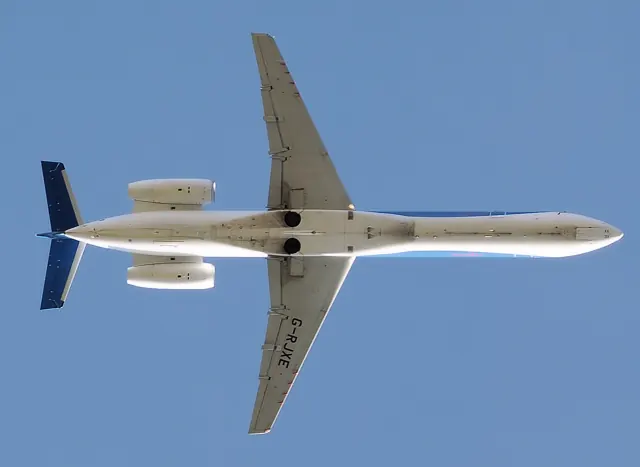
Embraer's regional-jet family, from the ERJ 135 to the longer ERJ 145.
A purpose-built agricultural aircraft that also became a single-engine air tanker.
A Polish utility aircraft designed for short takeoffs and landings.
A four-seat high-wing single that spans generations of conventional instruments and glass cockpits.
A compact rear-engined jet designed for short-haul regional airline work.
A long-range fighter whose different engine and canopy developments produced several distinct forms.
Airbus's first production aircraft, built around a twin-engine wide-body layout.
A twin-turbine Huey descendant with a four-blade main rotor.
A low-wing agricultural Cessna with a cockpit and hopper arranged around the job.
A low-wing piston family that spans simple trainers, touring aircraft and retractable-gear Arrows.
A streamlined light twin helicopter, with the later Bell 230 in the same family.
Beechcraft's Model 76, designed to introduce pilots to twin-engine flying.
A compact Japanese twin turboprop with a high wing and pressurised cabin.
A tandem-seat light aircraft with a streamlined low-wing layout.
A jet-powered military transport designed for both strategic loads and tactical airfield access.
A compact racing aeroplane built around a large radial engine and very short fuselage.
A large amphibious flying boat built around maritime rescue and utility transport.
A compact utility helicopter distinguished by its enclosed Fenestron tail rotor.
This is AirframeDB’s first release. More features and aircraft research are planned. Leave your email if you’d like occasional updates.