MSFS
Cessna 185F ↗
A tailwheel utility single built around a high wing and a substantial working cabin.
1 implementations+ Compare
Explore the aircraft. Find your simulator. Follow the sources.
A tailwheel utility single built around a high wing and a substantial working cabin.
A twin-turboprop utility aircraft developed by Reims Aviation with Cessna.
A long-haul twin whose family spans passenger, freight and specialist transport roles.
The H130 utility helicopter, descended from the AS350 and fitted with a Fenestron.
A twin-engine business jet designed to retain some of the utility flexibility associated with the PC-12.
A vast inter-war flying boat with twelve engines arranged in six paired installations.
A long-range twin whose programme emphasised composite construction and more electrically powered systems.
A utility-aircraft family whose stretched 207 branch trades compact proportions for more cabin space.
A high-wing utility turboprop designed for short-field passenger and cargo work.
The four-engine Flying Fortress, a major American bomber of the Second World War.
Piper's PA-31 utility twin, used in commuter, cargo and corporate transport.
A six-engine heavy transport created for exceptionally large external and internal loads.
An enclosed, two-seat autogyro with side-by-side seating and a pusher propeller.
Cirrus's first type-certified aircraft, a composite piston single.
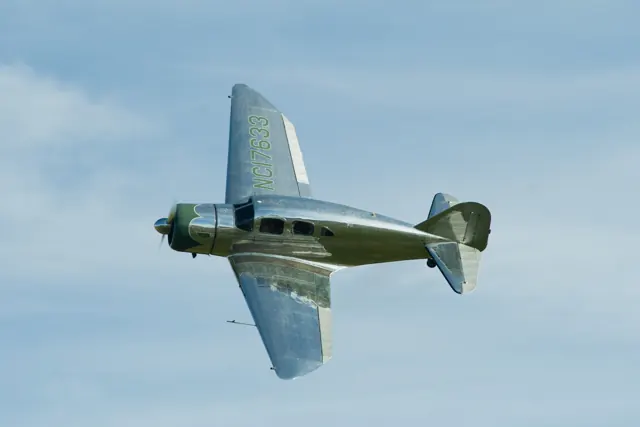
A late-1930s cabin aircraft with metal construction and retractable landing gear.
A two-seat light amphibian with a compact boat hull and a pusher propeller.
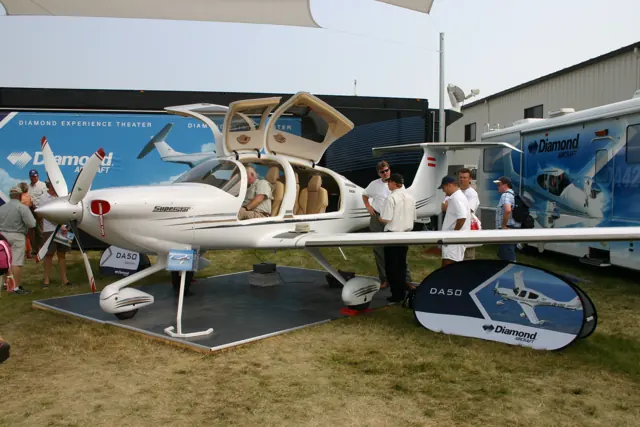
A five-seat composite single whose development led to the diesel DA50 RG.
A four-abreast regional-jet family spanning the E170, E175, E190 and E195.
The four-engine wide-body whose raised flight deck created one of aviation's most recognisable profiles.
The second-generation Harrier, designed around vectored thrust and short-field operation.
The fixed-gear, six-cylinder touring branch of Piper's PA-28 family.
A compact utility helicopter distinguished by its enclosed Fenestron tail rotor.
A pressurised single-engine turboprop family that combines a compact cabin with retractable gear.
The purpose-built Ryan monoplane used by Charles Lindbergh for his 1927 solo Atlantic crossing.
This is AirframeDB’s first release. More features and aircraft research are planned. Leave your email if you’d like occasional updates.