MSFS
Airbus Helicopter H225 ↗
A large twin-engine helicopter from the Super Puma line, used for offshore and public-service work.
1 implementations+ Compare
Explore the aircraft. Find your simulator. Follow the sources.
A large twin-engine helicopter from the Super Puma line, used for offshore and public-service work.
A close-air-support aircraft with a straight wing, twin tail and two widely separated jet engines.
A single-engine turboprop workhorse for passenger services, freight and remote-area transport.
A twin-hull flying boat with its engines mounted together above the wing.
A light tandem-seat taildragger built around the familiar braced high-wing layout.
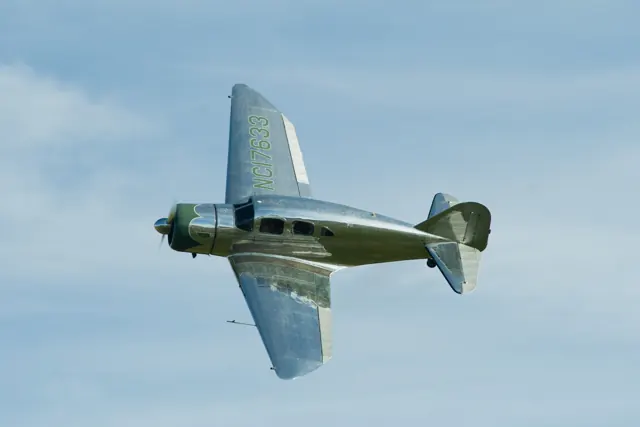
A late-1930s cabin aircraft with metal construction and retractable landing gear.
A DC-10-derived tanker that combined aerial refuelling with passenger and cargo transport.
A four-engine airliner that brought pressurised-cabin travel into scheduled service.
A composite, low-wing touring single with fixed gear and a turbocharged engine.
A single-seat aerobatic monoplane that also became a familiar air-racing aircraft.
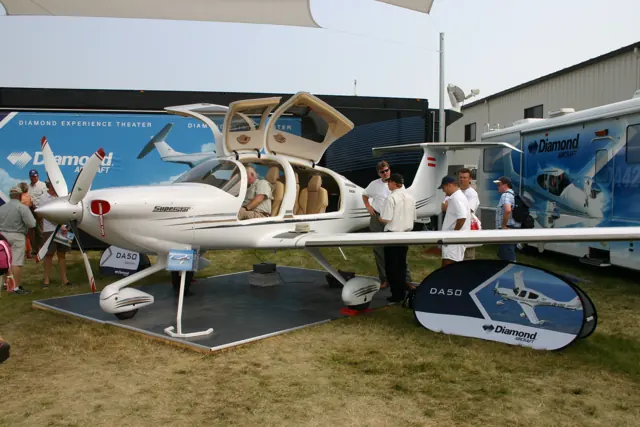
A five-seat composite single whose development led to the diesel DA50 RG.
A twin-radial military transport with a rear ramp and short-field design priorities.
A light business jet with a swept wing, rear-mounted engines and an integrated flight deck.
Beechcraft's Model 76, designed to introduce pilots to twin-engine flying.
A tandem two-seat sailplane family used for training and cross-country soaring.
A modern medium twin-engine helicopter developed as a successor to the Dauphin line.
A five-seat turbine helicopter developed from Robinson's smaller piston-helicopter line.
A long-running touring single, familiar in both V-tail and conventional-tail forms.
A pressurised single-engine turboprop family that combines a compact cabin with retractable gear.
A long-haul twin whose family spans passenger, freight and specialist transport roles.
Tecnam's two-seat, low-wing Sierra, introduced in the early 2000s.
A carrier-capable multirole fighter, larger than the earlier Hornet from which it developed.
Ted Smith's piston twin, later produced by Piper as the Aerostar.
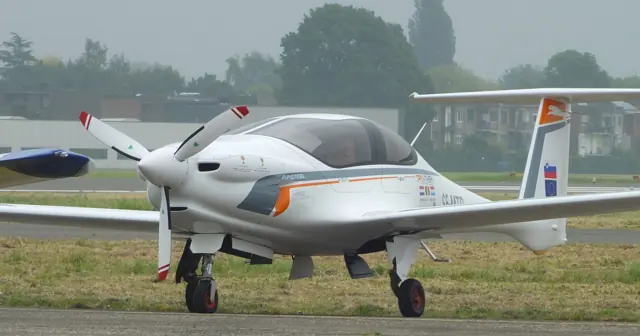
Pipistrel's streamlined four-seat composite-aircraft design.
This is AirframeDB’s first release. More features and aircraft research are planned. Leave your email if you’d like occasional updates.