MSFS
Dornier Do J Wal ↗
A 1920s flying boat with two engines arranged in tandem above the wing.
1 implementations+ Compare
Explore the aircraft. Find your simulator. Follow the sources.
A 1920s flying boat with two engines arranged in tandem above the wing.
Piper's PA-31 utility twin, used in commuter, cargo and corporate transport.
A super-midsize business jet with a swept wing, rear-mounted engines and an integrated glass cockpit.
Cirrus's first type-certified aircraft, a composite piston single.
A utility piston twin designed for commuter and specialist transport missions.
A regional turboprop family whose short early versions and larger Q400 have different proportions and systems.
Two related Dutch regional jets developed from the F28 lineage.
A pressurised touring twin whose piston and turbine-conversion versions make a particularly interesting comparison.
An advanced trainer known around the world as the Texan, Harvard and SNJ.
An open-cockpit biplane trainer that found a second life in civilian flying.
The four-engine wide-body whose raised flight deck created one of aviation's most recognisable profiles.
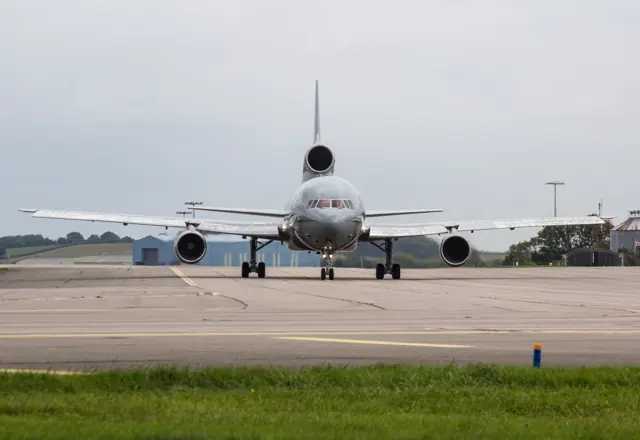
Lockheed's wide-body TriStar, with three RB211 engines and a distinctive tail intake.
A tailwheel utility single built around a high wing and a substantial working cabin.
Airbus's first production aircraft, built around a twin-engine wide-body layout.
The purpose-built Ryan monoplane used by Charles Lindbergh for his 1927 solo Atlantic crossing.
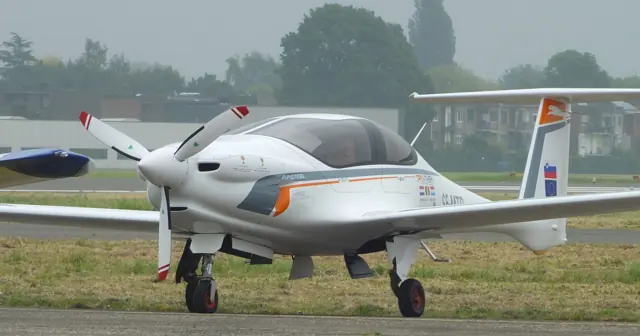
Pipistrel's streamlined four-seat composite-aircraft design.
A four-engine airliner whose history also includes long-range maritime military service.
The four-engine Flying Fortress, a major American bomber of the Second World War.
A pioneering light helicopter whose bubble cabin and exposed structure became widely recognisable.
A low-wing piston family that spans simple trainers, touring aircraft and retractable-gear Arrows.
Cessna's retractable-gear Centurion, a high-wing touring aircraft.
A large long-haul twin that introduced Boeing's first commercial fly-by-wire airliner flight controls.
A push-pull twin with one engine at each end of the central fuselage.
A corrugated-metal, three-engine transport from the formative years of airline travel.
This is AirframeDB’s first release. More features and aircraft research are planned. Leave your email if you’d like occasional updates.