MSFS
CGS Hawk Arrow II ↗
A lightweight pusher family with an enclosed cabin and a high, braced wing.
1 implementations+ Compare
Explore the aircraft. Find your simulator. Follow the sources.
A lightweight pusher family with an enclosed cabin and a high, braced wing.
A utility-aircraft family whose stretched 207 branch trades compact proportions for more cabin space.
A six-seat composite single turboprop with a pressurised cabin and retractable gear.
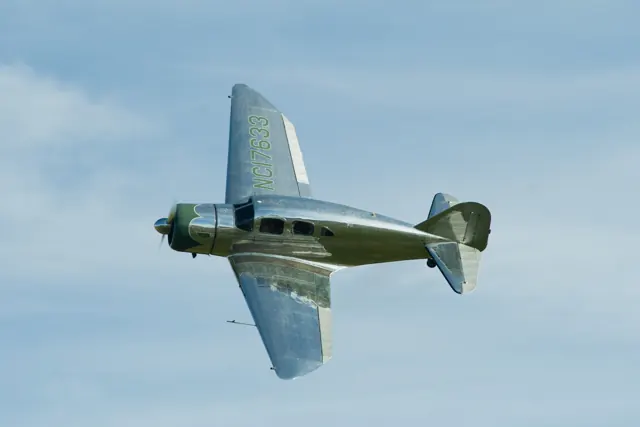
A late-1930s cabin aircraft with metal construction and retractable landing gear.
A twin-radial airliner that helped make practical passenger transport a regular business.
A very large single-engine biplane designed for practical work from modest airfields.
A single-seat aerobatic monoplane that also became a familiar air-racing aircraft.
A twin-aisle Boeing designed alongside the 757's generation of two-pilot flight decks.
A Swedish reconnaissance and dive-bombing aircraft from the early 1940s.
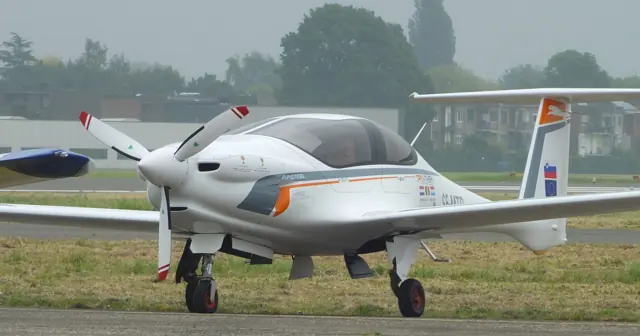
Pipistrel's streamlined four-seat composite-aircraft design.
A close-air-support aircraft with a straight wing, twin tail and two widely separated jet engines.
A two-seat Tecnam high-wing aircraft combining composite and metal construction.
A four-seat high-wing single that spans generations of conventional instruments and glass cockpits.
A DC-10-derived tanker that combined aerial refuelling with passenger and cargo transport.
A tailwheel utility single built around a high wing and a substantial working cabin.
A 1920s flying boat with two engines arranged in tandem above the wing.
A super-midsize business jet with a swept wing, rear-mounted engines and an integrated glass cockpit.
A military transport developed from the DC-3, used for cargo, troops, parachuting and glider towing.
A specialised reconnaissance aircraft designed for very high altitude and sustained supersonic flight.
A small twin-engine amphibian that moved from business transport into military and utility service.
Two related Dutch regional jets developed from the F28 lineage.
Lockheed's wide-body TriStar, with three RB211 engines and a distinctive tail intake.
The CJ4 belongs to Cessna's light-jet line, with two rear-mounted engines and a T-tail.
This is AirframeDB’s first release. More features and aircraft research are planned. Leave your email if you’d like occasional updates.