MSFS X-Plane
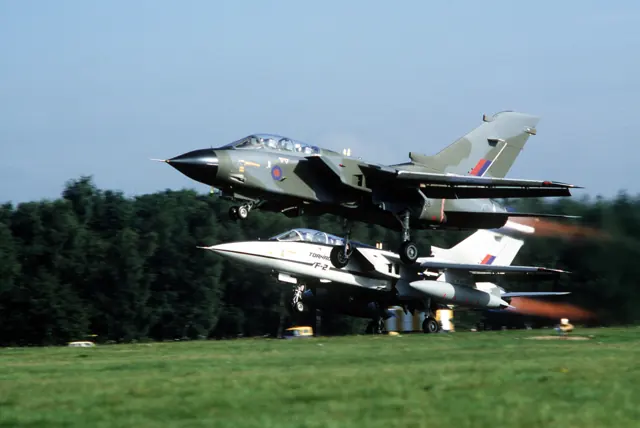
Panavia Tornado ↗
A European variable-sweep combat-aircraft family with distinct strike and interceptor versions.
2 implementations+ Compare
Explore the aircraft. Find your simulator. Follow the sources.
A European variable-sweep combat-aircraft family with distinct strike and interceptor versions.
A large long-haul twin that introduced Boeing's first commercial fly-by-wire airliner flight controls.
A two-seat training single with a high wing and fixed tricycle landing gear.
A Polish utility aircraft designed for short takeoffs and landings.
A rear-engined trijet built to bring jet service to shorter routes and smaller airports.
A personal jet with one engine above the rear fuselage and a distinctive V-tail.
The four-engine wide-body whose raised flight deck created one of aviation's most recognisable profiles.
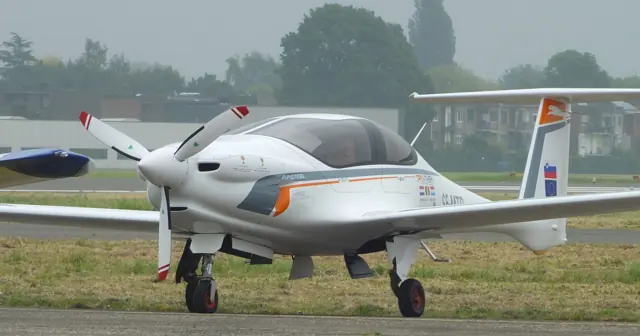
Pipistrel's streamlined four-seat composite-aircraft design.
A streamlined light twin helicopter, with the later Bell 230 in the same family.
Diamond's four-seat light twin, developed with diesel-powered versions.
A four-engine tactical transport built around a rear loading ramp and access to austere airfields.
A light turbine helicopter combining an Alouette II airframe with more powerful Alouette III components.
An Italian light aircraft known for military training and aerobatic use.
A pressurised single-engine turboprop family that combines a compact cabin with retractable gear.
A stretched development of the DC-9 with rear-mounted engines and a five-abreast cabin.
A pressurised single turboprop with a large cargo door and a broad range of working roles.
A two-seat composite kit aircraft developed from the Lancair 320.
A regional jet family with four small engines, a high wing and a large split tail airbrake.
A composite touring single with a whole-aircraft parachute and several generations of avionics.
Piper's two-seat trainer with fixed tricycle landing gear.
Cirrus's first type-certified aircraft, a composite piston single.
TorqueSim's Pocket Rocket, a simulated PT6-powered light aircraft with two gear layouts.
A long-range fighter whose different engine and canopy developments produced several distinct forms.
A push-pull twin with one engine at each end of the central fuselage.
This is AirframeDB’s first release. More features and aircraft research are planned. Leave your email if you’d like occasional updates.