MSFS
ICON A5 ↗
A two-seat light amphibian with a compact boat hull and a pusher propeller.
2 implementations+ Compare
Explore the aircraft. Find your simulator. Follow the sources.
A two-seat light amphibian with a compact boat hull and a pusher propeller.
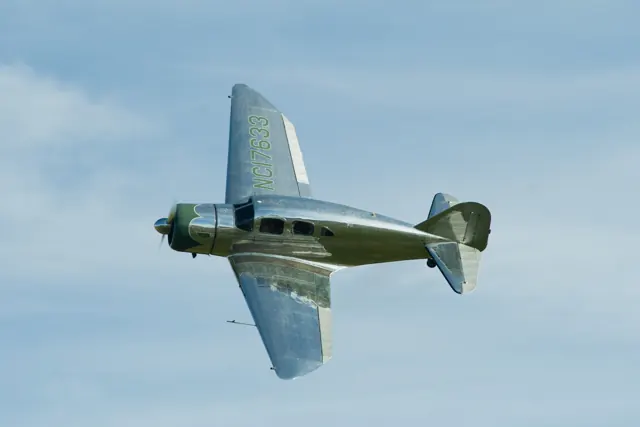
A late-1930s cabin aircraft with metal construction and retractable landing gear.
An Italian light aircraft known for military training and aerobatic use.
A medium commercial helicopter designed for passenger and utility transport.
Regional flying built around a high wing, two turboprops and short sectors.
A two-seat composite light-aircraft family with a high wing and a compact enclosed cabin.
A French two-seat aerobatic trainer with side-by-side seating and a distinctive curved wing outline.
A utility-aircraft family whose stretched 207 branch trades compact proportions for more cabin space.
A four-seat kit-built touring aircraft that expanded the RV family beyond two-seat designs.
A shorter wide-body Airbus from the transition to two-pilot, electronic-instrument cockpits.
A pressurised single turboprop with a large cargo door and a broad range of working roles.
A twin-turboprop regional airliner developed through Swedish and American industrial cooperation.
Tecnam's four-seat high-wing single, built with metal and carbon-fibre components.
Beechcraft's Model 76, designed to introduce pilots to twin-engine flying.
A high-wing utility aircraft known for short-field work and a broad choice of working configurations.
A streamlined twin-engine helicopter with a Fenestron tail rotor and retractable landing gear.
A British utility twin built around short regional and practical transport work.
A wide-cabin business-jet family that developed from Canadair's original Challenger programme.
A box-shaped utility twin whose cabin and rear access are central to its design.
Airbus's first production aircraft, built around a twin-engine wide-body layout.
A push-pull twin with one engine at each end of the central fuselage.
A tandem-seat light aircraft with a streamlined low-wing layout.
A compact utility helicopter distinguished by its enclosed Fenestron tail rotor.
A small twin-engine amphibian that moved from business transport into military and utility service.
This is AirframeDB’s first release. More features and aircraft research are planned. Leave your email if you’d like occasional updates.