
Start here
A few places to begin, from the aircraft’s story to the people who fly it.
Meet the aircraft
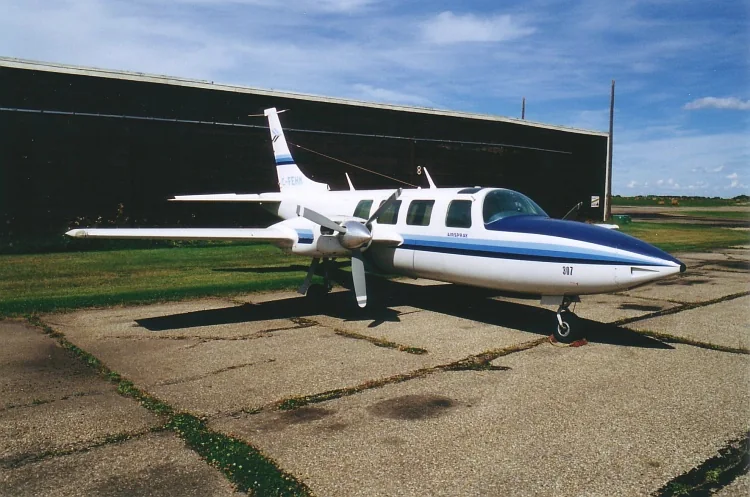
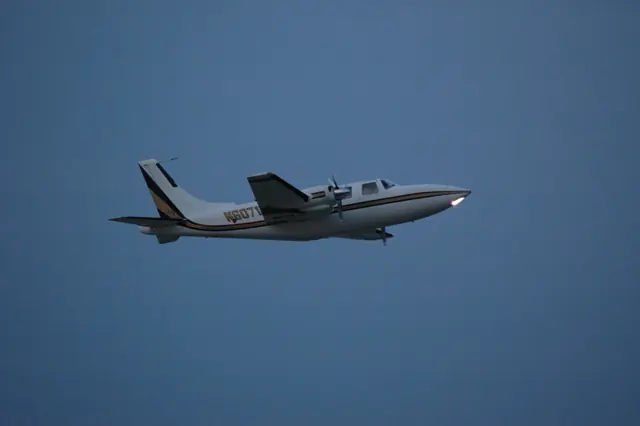
The Aerostar began as a Ted Smith design for executive travel and light transport. Piper acquired the design in 1978 and continued production as the PA-60. That change of ownership explains the different manufacturer names found in references. The simulator entry represents the Aerostar 600; the specification tables identify the family models they describe.
Aircraft background
Wikipedia contributors · Read more ↗An owner’s experience behind the simulated 600
Gentile chose a normally aspirated Aerostar when buying his own aircraft, preferring its combination of solidity and responsiveness to the balance he perceived in the turbocharged version. He operated it for several years, and that direct experience later helped motivate A2A's choice to develop a simulated 600.
A2A Simulations, 2025, page 4. Owner/developer introduction; normally aspirated 600, with the commercial relationship explicit.
A2A Simulations · Read more ↗Aircraft condition and inspection
A2A documents persistent condition by livery, adjustable wear and failure rates, and an interactive walkaround. The tablet controls fuel and payload and provides maintenance, engine-analysis and electrical-system views.
Aerostar 600 · A2A Simulations · MSFS 2020 · MSFS 2024
A2A Simulations · Read more ↗Into the cockpit
 YouTube
twotonemurphy · 187 min ·
Vertical Cockpit Cam LIVE | Accu-Sim Aerostar | South West Ireland Tour ☘️| MSFS 2024
An A2A Aerostar sightseeing flight over southwest Ireland in MSFS 2024.
Simulator · A2A Aerostar · MSFS 2024
Watch on YouTube ↗Preview images are served by AirframeDB. Videos open on YouTube only when you choose to watch.
Meet Aerostar 600
The Aerostar began as a Ted Smith design for executive travel and light transport. Piper acquired the design in 1978 and continued production as the PA-60. That change of ownership explains the different manufacturer names found in references. The simulator entry represents the Aerostar 600; the specification tables identify the family models they describe.
Aerostar 600
Aircraft type designators
Use the code for the model you are flying. The linked authority lists the applicable aircraft.
Aerostar 600 / 601 and Piper PA-60 Aerostar
FAA JO 7360.1K — aircraft type designators ↗Checked 2026-09-14History & design
Development milestones
Designer: Ted R. Smith
First flight: 1967
Wikipedia contributors · Piper Aerostar ↗Piper Aerostar · family/variant named by the source · Wikipedia revision 1374201001
Systems & details
Push-pull controls and electric trim
The A2A manual describes primary controls operated through push-pull tubes and bellcranks. Electric motors move the elevator and rudder trim tabs, with their positions shown in the cockpit. Its Fowler flaps use hydraulic actuators. This description is scoped to the 600 represented in the manual.
Pilot accounts
An owner’s experience behind the simulated 600
Gentile chose a normally aspirated Aerostar when buying his own aircraft, preferring its combination of solidity and responsiveness to the balance he perceived in the turbocharged version. He operated it for several years, and that direct experience later helped motivate A2A's choice to develop a simulated 600. His introduction is both an owner's recollection and a developer's explanation of a product in which he has a commercial interest.
One experience was especially memorable. A landing-gear failure during a test flight forced him and his son Jake to make a controlled gear-up landing. Gentile describes the aircraft settling onto its belly and both occupants getting out without incident. He presents the event as something that encouraged further curiosity and learning, alongside his continuing appreciation of the design.
A2A Simulations, 2025, page 4. Owner/developer introduction; normally aspirated 600, with the commercial relationship explicit.
Read the full account · A2A Simulations ↗A first launch in someone else’s family aircraft
Durden flew Stan Musick's modified 1977 Aerostar 601P with its owner in the right seat. The departure required him to think ahead as acceleration quickly carried the aircraft into a climb through low cloud. As speed increased, the initially unfamiliar control feel developed into a responsive, stable aeroplane. Once trimmed, it held its condition while he attended to radio calls and the climb toward 23,000 feet.
He later enjoyed steep turns, appreciated the extra overhead windows and found the cabin more spacious than its external appearance suggested. Musick had removed one middle-row seat to suit family travel. Durden also evaluated how a new Garmin display worked with the older autopilot, then returned to hand-flying for the enjoyment of it. The landing completed an enthusiastic report that still recognised the need to understand the aircraft's systems and maintain proficiency. This was a pressurised, turbocharged 601P with modifications, distinct from the normally aspirated 600 represented by A2A.
AOPA Pilot, September 2011. Flight in Stan Musick’s modified 1977 601P; related family variant, not an unmodified 600.
Read the full account · AOPA Pilot ↗Decades of ferry flying leave a lasting attachment
Cox traces his affection for the Aerostar to a 1975 flight with Jim Miller in Texas. The view past the nearby spinner, the long nose and the rapidly passing landscape became a distinctive part of the experience for him. Over the following decades, ferrying roughly a dozen 700-series aircraft around the world gave him repeated opportunities to appreciate their speed and control response. He still hoped eventually to own one himself.
His recollections include working with Jim Christy on a television flying segment and delivering the specially prepared Spirit of Kai Tak to Britain before its London-to-Sydney race. Those experiences concerned higher-powered, modified Aerostars rather than the original 600. Cox's enthusiasm also acknowledges the fuel consumed when using their full cruising capability. He enjoyed the way the aircraft looked, responded and carried him over long distances, even while his own aeroplane remained a Mooney.
Plane + Pilot, 1 November 2007. Retrospective including 700-series ferry flights and a specially prepared race-aircraft delivery; not a flight test of the 600.
Read the full account · Plane + Pilot ↗In your simulator
Systems, equipment and documentation for each developer’s aircraft.
MSFS 2020 · MSFS 2024Aerostar 600
A2A Simulations · Released
Aerostar 600
A2A Simulations · Released
Aircraft specifications
Published figures for the named real-aircraft variant. Simulator equipment and performance can differ.
| Specification | Published value |
|---|---|
| Length | 34 ft 9.75 in (10.61 m) |
| Wingspan | 36 ft 8 in (11.18 m) |
| Height | 12 ft 1 in (3.68 m) |
| Wing area | 178.2 sq ft (16.56 m² ) |
| Empty weight | 4,275 lb (1,939 kg) |
| Gross weight | 6,315 lb (2,864 kg) |
| Powerplant | 2 × Avco Lycoming TIO-540-U2A flat six counter-rotating piston , 350 hp (261 kW) each |
| Maximum speed | 306 mph (492 km/h, 266 kn) |
| Cruise speed | 242 mph (390 km/h, 210 kn) |
| Range | 1,024 mi (1,648 km, 890 nmi) |
| Service ceiling | 25,000 ft (7,620 m) |
| Rate of climb | 1,840 ft/min (9.4 m/s) |
Manuals & resources
Find your next read
Choose a topic for a short introduction and a link to the original source. Simulator references identify the developer and edition they cover.
Simulator documentation
Aircraft condition and inspectionAerostar 600 · A2A Simulations · MSFS 2020 · MSFS 2024
A2A documents persistent condition by livery, adjustable wear and failure rates, and an interactive walkaround. The tablet controls fuel and payload and provides maintenance, engine-analysis and electrical-system views.
A2A official Aerostar 600 product page, checked 12 September 2026; developer-documented features.
A2A Simulations · Read the source ↗A choice of navigation and engine displaysAerostar 600 · A2A Simulations · MSFS 2020 · MSFS 2024
The product documentation lists a Collins Microline radio installation, a Century IV autopilot and selectable JPI engine monitors. It also identifies supported optional GPS integrations, with the relevant add-ons installed. A2A distinguishes its native MSFS 2024 walkaround and dirt features from the MSFS 2020 version.
A2A official Aerostar 600 product page, checked 12 September 2026; developer-documented features.
A2A Simulations · Read the source ↗Pilot account
An owner’s experience behind the simulated 600A2A Simulations, 2025, page 4. Owner/developer introduction; normally aspirated 600, with the commercial relationship explicit.
Gentile chose a normally aspirated Aerostar when buying his own aircraft, preferring its combination of solidity and responsiveness to the balance he perceived in the turbocharged version. He operated it for several years, and that direct experience later helped motivate A2A's choice to develop a simulated 600. His introduction is both an owner's recollection and a developer's explanation of a product in which he has a commercial interest. One experience was especially memorable.
Scott Gentile
A2A Simulations · Read the source ↗A first launch in someone else’s family aircraftAOPA Pilot, September 2011. Flight in Stan Musick’s modified 1977 601P; related family variant, not an unmodified 600.
Durden flew Stan Musick's modified 1977 Aerostar 601P with its owner in the right seat. The departure required him to think ahead as acceleration quickly carried the aircraft into a climb through low cloud. As speed increased, the initially unfamiliar control feel developed into a responsive, stable aeroplane. Once trimmed, it held its condition while he attended to radio calls and the climb toward 23,000 feet.
Rick Durden
AOPA Pilot · Read the source ↗Read the original documentation from the people who created it. Manuals open on their publisher’s website.
Manual
Accu-Sim Aerostar 600 ManualA2A Simulations · Scott Gentile · 2025, page 4Aircraft background
Piper AerostarWikipedia contributors · Research background · retrieved 2026-09-12Product
Accu-Sim Aerostar 600A2A Simulations · Official developer / designated store catalogue · checked 2026-09-12Type designator
ICAO Doc 8643 — aircraft type designatorsInternational Civil Aviation Organization · Public search data retrieved 2026-09-14; authority update 2026-09-03 FAA JO 7360.1K — aircraft type designatorsFederal Aviation Administration · Active FAA order; checked 2026-09-14Built-in force-feedback profiles
Read the documentary basis, editable starting settings and remaining questions for the aircraft you fly. Each explanation refers to the exact profile revision shown.
Catalogue programme-20261022-v1 · 6 profile choices
A2A Aerostar 600
A2A · Free and Pro · Revision 5 · Inherited starting point
MSFS 2020 · MSFS 2024
A2A Aerostar 600: Push-pull primary controls motivate aerodynamic yoke loading; the linkage construction does not supply an absolute hand-force calibration.
Aerostar 600
Free and Pro · Revision 2 · Partial review
MSFS 2024 · MSFS 2020
Aerostar 600: Push-pull primary controls motivate aerodynamic yoke loading; the linkage construction does not supply an absolute hand-force calibration.
Avia71 Aerostar 601P
Avia71 · Free and Pro · Revision 2 · Inherited starting point
X-Plane 12
Ted Smith's piston twin, later produced by Piper as the Aerostar.
X-Hangar Piper Aerostar 700P
X-Hangar · Free and Pro · Revision 3 · Inherited starting point
X-Plane 12
Ted Smith's piston twin, later produced by Piper as the Aerostar.
Aerostar 601P
Free and Pro · Revision 1 · Partial review
MSFS 2020 · MSFS 2024 · X-Plane 12
Ted Smith's piston twin, later produced by Piper as the Aerostar.
Aerostar 700P
Free and Pro · Revision 1 · Partial review
MSFS 2020 · MSFS 2024 · X-Plane 12
Ted Smith's piston twin, later produced by Piper as the Aerostar.
X-Hangar Piper Aerostar 700P
Ted Smith's piston twin, later produced by Piper as the Aerostar.
Aircraft and simulator scope
- X-Hangar Piper Aerostar 700P · X-Hangar · X-Plane 12 · Add-on starting point
The simulator model and controls
X-Hangar Piper Aerostar 700P is the selected X-Hangar configuration.
How this profile feels
Spring resistance builds with the selected airspeed response. A separate aerodynamic term adds speed-dependent control load.
Pitch-trim relief is off. Autopilot following is off.
Aircraft and configuration
The Aerostar began as a Ted Smith design for executive travel and light transport. Piper acquired the design in 1978 and continued production as the PA-60. That change of ownership explains the different manufacturer names found in references. The simulator entry represents the Aerostar 600; the specification tables identify the family models they describe.
Push-pull controls and electric trim
The A2A manual describes primary controls operated through push-pull tubes and bellcranks. Electric motors move the elevator and rudder trim tabs, with their positions shown in the cockpit. Its Fowler flaps use hydraulic actuators. This description is scoped to the 600 represented in the manual.
About the values
Strengths are normalized hardware-feel settings. They set the effect balance; hand force depends on the device and its limits. The IAS reference is a tuning value.
Documentary review and sources
These decisions describe the documentary basis and remaining gaps for this revision. Aircraft documentation and a starting setting describe different kinds of evidence.
Aircraft and variant
InheritedX-Hangar Piper Aerostar 700P is the selected X-Hangar configuration.
Flight controls
InheritedTed Smith's piston twin, later produced by Piper as the Aerostar.
Trim
InheritedThe A2A manual describes primary controls operated through push-pull tubes and bellcranks. Pitch relief is off, with stored authority 0; roll authority is 0.
Autopilot and stability
InheritedAutopilot following is off; the configured spring and load retain the hardware feel.
Equipment
InheritedThe Aerostar began as a Ted Smith design for executive travel and light transport. Piper acquired the design in 1978 and continued production as the PA-60. That change of ownership explains the different manufacturer names found in references. The simulator entry represents the Aerostar 600; the specification tables identify the family models they describe.
Speeds and limits
InheritedThe indicated-speed references set the profile response scale; they are separate from aircraft operating limits.
Simulator integration
InheritedThe profile targets xplane12. Add-on-specific controls use only the supported references configured by this profile.
Force-feedback settings
InheritedThe settings define the profile’s effect balance. Device output limits affect physical hand force.
Starting settings and their rationale
These configured values are starting estimates. The explanations describe what each setting controls; physical validation appears separately below.
| Setting | Starting value | What it controls and why |
|---|---|---|
| Spring strength | Starting value0.74 | What it controls and whyThe A2A manual describes primary controls operated through push-pull tubes and bellcranks. The baseline spring is 0.74. Its low-speed blend reaches baseline strength at 65 KIAS. |
| Master force gain | Starting value0.85 | What it controls and whyScales overall profile strength while preserving effect balance, subject to device and output limits. |
| Profile force gain | Starting value0.8 | What it controls and whyThe aerodynamic-load gain is 0.8 with an indicated-speed reference of 200 KIAS. This supplies speed-dependent loading alongside the spring. |
| Force tuning speed/reference | Starting value200.0 kt | What it controls and whySets the IAS reference for aerodynamic loading. It is an estimate, not published cruise TAS or a flight limit. |
| Spring response reference speed | Starting value65 kt | What it controls and whySets the IAS where the low-speed blend reaches baseline strength; high-speed stiffening also uses it. |
| Aileron force scale | Starting value0.72 | What it controls and whyRoll and pitch aerodynamic scales are 0.72 and 1, respectively. They set the aerodynamic axis balance. No custom spring-travel curve is enabled. |
| Elevator force scale | Starting value1 | What it controls and whyScales pitch aerodynamic loading; pitch spring travel and trim responses are separate settings. |
| Trim feel | Starting valueDisabled | What it controls and whyRetained for compatibility and group membership. Trim relief, rather than this flag, controls centre movement. |
| Trim relief | Starting valueDisabled | What it controls and whyAllows trim relief with supported control law and valid telemetry. Axis authorities set its amount. |
| Autopilot follow | Starting valueDisabled | What it controls and whyAutopilot following is off; the configured spring and load retain the hardware feel. |
| Autopilot neutral hold | Starting valueDisabled | What it controls and whyPermits centering hold during a supported AP state, separate from following a moving target. |
| Output force limit | Starting value0.55 | What it controls and whyCaps directed-force output. Native spring effects and device limits remain separate. |
All 44 starting settings and their rationale
The settings define the profile’s effect balance. Device output limits affect physical hand force.
| Setting | Starting value | What it controls and why |
|---|---|---|
| Spring strength | Starting value0.74 | What it controls and whyThe A2A manual describes primary controls operated through push-pull tubes and bellcranks. The baseline spring is 0.74. Its low-speed blend reaches baseline strength at 65 KIAS. |
| Spring deadband | Starting value0.04 | What it controls and whySets travel around the centre before the baseline spring resists. Smaller values engage it sooner. |
| Profile force gain | Starting value0.8 | What it controls and whyThe aerodynamic-load gain is 0.8 with an indicated-speed reference of 200 KIAS. This supplies speed-dependent loading alongside the spring. |
| Master force gain | Starting value0.85 | What it controls and whyScales overall profile strength while preserving effect balance, subject to device and output limits. |
| QBlend Enabled | Starting valueEnabled | What it controls and whyAllows baseline spring strength to rise with indicated airspeed where the control law permits it. |
| QSpring Minimum Factor | Starting value0.55 | What it controls and whySets low-speed spring strength as a fraction of baseline when blending is enabled. One keeps full strength. |
| QSpring Start Knots | Starting value8 kt | What it controls and whySets the IAS where the low-speed spring blend starts rising. This is a feel threshold, not a flight limit. |
| Spring response reference speed | Starting value65 kt | What it controls and whySets the IAS where the low-speed blend reaches baseline strength; high-speed stiffening also uses it. |
| Force tuning speed/reference | Starting value200.0 kt | What it controls and whySets the IAS reference for aerodynamic loading. It is an estimate, not published cruise TAS or a flight limit. |
| Airspeed spring stiffening gain | Starting value0.15 | What it controls and whyThe high-speed spring-stiffening gain is 0.15. It strengthens the permitted spring response above 65 KIAS, with the squared-speed ratio capped at 5. |
| Airspeed spring stiffening limit | Starting value5 | What it controls and whyLimits the squared airspeed ratio used for high-speed spring stiffening; it is not a device-force cap. |
| Aileron force scale | Starting value0.72 | What it controls and whyRoll and pitch aerodynamic scales are 0.72 and 1, respectively. They set the aerodynamic axis balance. No custom spring-travel curve is enabled. |
| Elevator force scale | Starting value1 | What it controls and whyScales pitch aerodynamic loading; pitch spring travel and trim responses are separate settings. |
| Output force limit | Starting value0.55 | What it controls and whyCaps directed-force output. Native spring effects and device limits remain separate. |
| Trim feel | Starting valueDisabled | What it controls and whyRetained for compatibility and group membership. Trim relief, rather than this flag, controls centre movement. |
| Trim relief | Starting valueDisabled | What it controls and whyAllows trim relief with supported control law and valid telemetry. Axis authorities set its amount. |
| Elevator Authority | Starting value0 | What it controls and whyThe A2A manual describes primary controls operated through push-pull tubes and bellcranks. Pitch relief is off, with stored authority 0; roll authority is 0. |
| Aileron Authority | Starting value0 | What it controls and whyScales supported roll-trim relief and permitted centre movement. Zero removes roll response. |
| Force Trim Enabled | Starting valueDisabled | What it controls and whyEnables local force trim, separate from aircraft-owned trim and add-on integration qualification. |
| GLoad Enabled | Starting valueEnabled | What it controls and whyAllows load-factor changes to modify permitted spring laws. Passive fly-by-wire feel can suppress it. |
| Rate Damping Enabled | Starting valueEnabled | What it controls and whyEnables rate damping with the configured coefficients and control law. |
| Autopilot follow | Starting valueDisabled | What it controls and whyAutopilot following is off; the configured spring and load retain the hardware feel. |
| Autopilot follow authority | Starting value0.1 | What it controls and whySets admitted AP-follow gain, not a percentage of travel. Runtime ownership and input limits still apply. |
| Autopilot neutral hold | Starting valueDisabled | What it controls and whyPermits centering hold during a supported AP state, separate from following a moving target. |
| Autopilot neutral hold strength | Starting value0.6 | What it controls and whySets admitted AP neutral-hold strength; inactive while neutral hold is disabled. |
| Enabled | Starting valueEnabled | What it controls and whyEnables aerodynamic cues; each still needs nonzero strength and its simulator conditions. |
| Gain | Starting value0.35 | What it controls and whySets stall-buffet strength. Zero removes the cue without changing simulator stalls or warnings. |
| Gain | Starting value0 | What it controls and whySets high-Mach buffet strength; onset and full-strength thresholds are separate. |
| Gain | Starting value0 | What it controls and whySets flap buffet at the configured position and speed gates. Flap movement texture is separate. |
| Maximum flap index | Starting value3 | What it controls and whySets the final flap index for detent normalization. UP plus three detents uses maximum index3. |
| Minimum flap index | Starting value2 | What it controls and whySets the first flap detent that admits buffet; this is a handle index, not degrees. |
| Gain | Starting value0 | What it controls and whySets gear aerodynamic buffet; movement and ground-contact cues are separate. |
| Shaker Enabled | Starting valueDisabled | What it controls and whyPermits shaker at supported warning conditions; the switch does not establish aircraft equipment. |
| Stick shaker amplitude | Starting value0.5 | What it controls and whySets triggered shaker strength; inactive while the shaker feature is disabled. |
| Enabled | Starting valueEnabled | What it controls and whyEnables ground effects; each still needs its own strength and contact or motion telemetry. |
| Gain | Starting value0.4 | What it controls and whySets rolling texture strength, modified by speed, surface and undercarriage configuration. |
| Gain | Starting value0.25 | What it controls and whySets gear-bump texture during ground motion, separate from touchdown impact. |
| Gain | Starting value0.65 | What it controls and whySets landing-impact strength; landing telemetry and response shape determine the pulse. |
| Gain | Starting value0 | What it controls and whySets reverse-thrust vibration with valid reverser and engine conditions. Zero removes the cue. |
| Enabled | Starting valueEnabled | What it controls and whyEnables engine cues with nonzero settings and valid running-engine telemetry. |
| Gain | Starting value0.12 | What it controls and whySets estimated engine vibration using configured telemetry and response, not measured cockpit vibration. |
| Enabled | Starting valueEnabled | What it controls and whyEnables accessory cues with configured strengths and observed accessory movement. |
| Gain | Starting value0.12 | What it controls and whySets texture from observed flap movement; a command without movement does not establish the cue. |
| Gain | Starting value0.12 | What it controls and whySets texture from observed gear movement, separate from aerodynamic and touchdown effects. |
Limits and open questions
- Conventional manual control approximation for this aircraft, with modest aerodynamic loading. Accessory hydraulics and avionics do not establish powered primary controls.
- Exact trim-to-inceptor relationship is not established by the available product source; automatic neutral shift remains disabled, with no inherited trim coefficient.
- Published AP equipment does not supply a calibrated servo or inceptor target. Follow and neutral hold remain disabled; no interface copied from another developer.
- Read-only native simulator channels; position input preserved. Actual accessory motion only. Custom systems, engine failures and historical operating procedures do not create unqualified force commands. Installed title/version and hardware travel remain acceptance limits.
- 200.0 KIAS is an estimated control-feel reference, not cruise TAS, V-speeds or an operating limit.
- Spring 0.74, lateral scale 0.72, trim relief 0/0; editable estimates, not measured hand forces.
- Physical and installed-aircraft checks are deferred. Save this profile as the aircraft default if telemetry omits its developer or configuration.
- Only actual accessory-position changes drive movement textures. No pressure-dependent failures, guessed servo outputs or input compensation.
- Earlier family-derived force values are superseded by this explicit review. Source limitations are not installed qualification.
Physical validation
No physical force validation is recorded in this public catalogue for this revision. Documentary review and software checks do not establish how a particular device feels.
Discuss this aircraft (0)
Questions, observations and useful sources from the community.
No published discussions yet. Bring a question or share a useful source.
Open aircraft discussions →Content expanded · What’s new
Something missing or a source that needs attention?
Suggest a correction ↗