

Start here
A few places to begin, from the aircraft’s story to the people who fly it.
Meet the aircraft
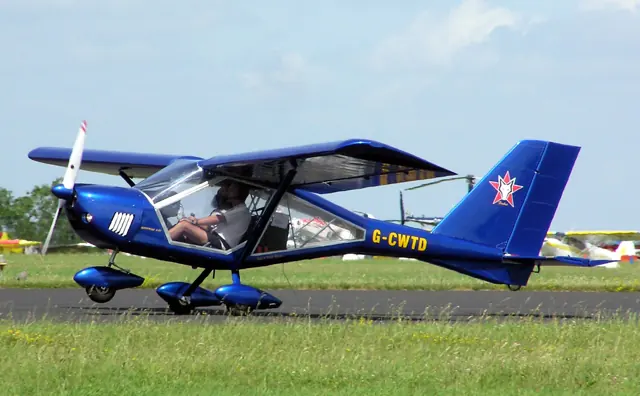
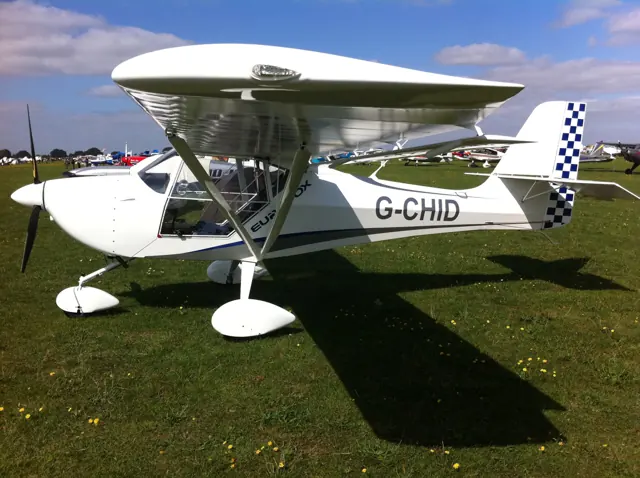
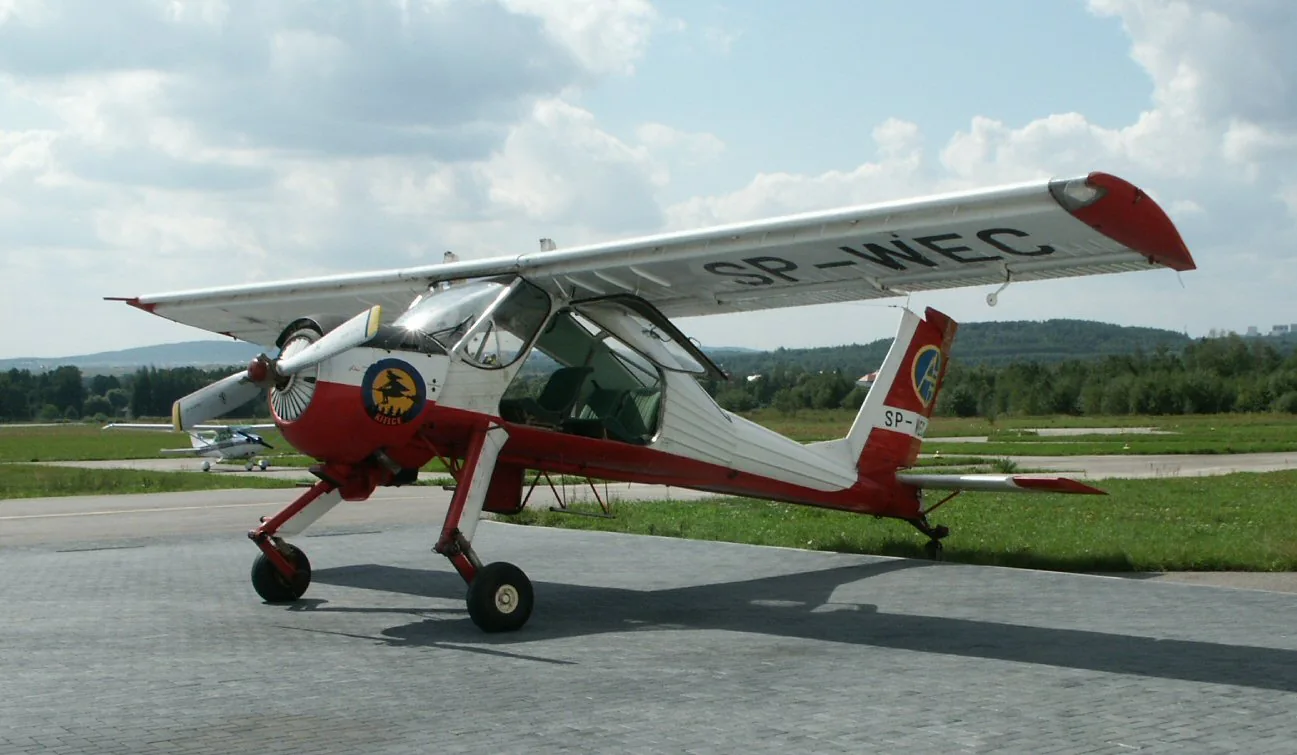
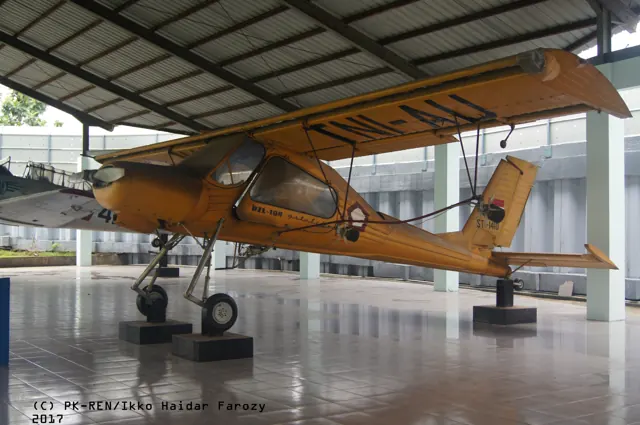
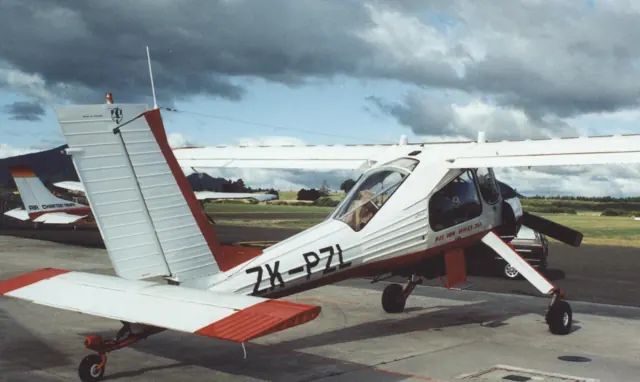
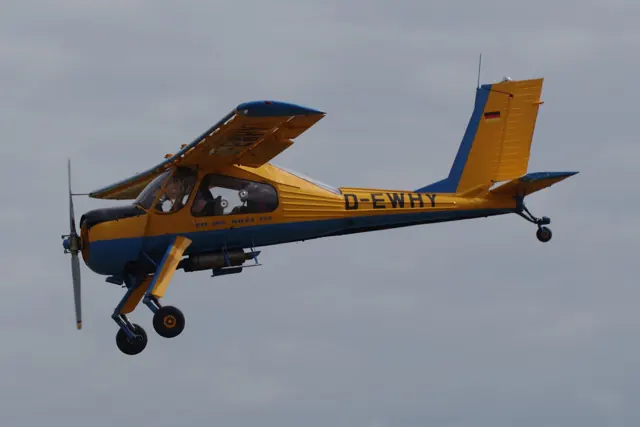
PZL Warszawa-Okęcie developed the Wilga for civil utility and short-field work. The manufacturer later became part of EADS. Versions differ in engines and equipment; the simulator products also have separate X-Plane generation support.
Aircraft background
Wikipedia contributors · Read more ↗Two consecutive assignments leave very different memories
Reviewing his logbooks reminded Haines that some aircraft stood out without any prompting from the written entries. A hot, humid assignment in North Carolina was one of those occasions. Flying the Wilga meant working substantial control surfaces through a large stick, then trying to hold formation with the photographic aircraft in hazy conditions. The following Ercoupe assignment made the difference especially memorable.
AOPA · August 1997 retrospective. North Carolina flights on 10–11 July 1990: a radial-powered Wilga followed by an Ercoupe. Haines’s September 1990 Wilga report identifies the 80 variant.
AOPA · Read more ↗DynaFeel adjusts simulated control response
The developer describes DynaFeel sliders changing control heaviness and response with airspeed. This describes the add-on’s flight-control modelling; the source does not document physical force-feedback output.
PZL-104 Wilga · Thranda · Thranda · X-Plane 12 · X-Plane 11
Thranda · Read more ↗Into the cockpit
 YouTube
TouchingCloud · 20 min ·
PZL-104 Wilga towing L-13 Blanik glider - cockpit view [RL]
A Wilga tows a Blaník glider, filmed from the towplane cockpit.
Real aircraft · PZL-104 Wilga
Watch on YouTube ↗Preview images are served by AirframeDB. Videos open on YouTube only when you choose to watch.
Meet PZL-104 Wilga
PZL Warszawa-Okęcie developed the Wilga for civil utility and short-field work. The manufacturer later became part of EADS. Versions differ in engines and equipment; the simulator products also have separate X-Plane generation support.
PZL-104 Wilga
PZL Warszawa-Okęcie → · Explore the family →
PZL-104 Wilga
Wikipedia contributors · PZL-104 Wilga ↗Thranda · X-Plane 12 · X-Plane 11 →Aircraft type designators
Use the code for the model you are flying. The linked authority lists the applicable aircraft.
History & design
A Polish utility aircraft enters the American market
Haines’s 1990 report describes Wilga 80s being assembled and test-flown in Poland, then dismantled for shipment and reassembly in the United States. Melex’s North Carolina operation formed part of that introduction to American customers.
AOPA Pilot · Wilga 80: Pretty as a Pickle ↗Historical import arrangements described in September 1990
Development milestones
First flight: 24 April 1962
Wikipedia contributors · PZL-104 Wilga ↗PZL-104 Wilga · family/variant named by the source · Wikipedia revision 1366088443
Pilot accounts
Two consecutive assignments leave very different memories
Reviewing his logbooks reminded Haines that some aircraft stood out without any prompting from the written entries. A hot, humid assignment in North Carolina was one of those occasions. Flying the Wilga meant working substantial control surfaces through a large stick, then trying to hold formation with the photographic aircraft in hazy conditions.
The following Ercoupe assignment made the difference especially memorable. Its small yoke and gentle responses felt far removed from the Wilga’s demanding controls. Haines used the two flights to explain why apparently ordinary logbook entries could preserve such distinct experiences. The photographic difficulty of making a silver Ercoupe visible belonged to that second aircraft; the Wilga supplied the more physically demanding part of the comparison.
AOPA · August 1997 retrospective. North Carolina flights on 10–11 July 1990: a radial-powered Wilga followed by an Ercoupe. Haines’s September 1990 Wilga report identifies the 80 variant.
Read the full account · AOPA ↗An exchange flight becomes a candid accident account
Weatherald traded his Cessna 210 for a Wilga and initially liked the new aircraft’s comfortable cockpit and view. The journey soon became much harder than expected. Strong winds slowed his progress, turbulence disrupted equipment and his fuel calculations grew increasingly worrying as he approached Sault Ste. Marie.
He recounts the engine stopping before he reached the airport, followed by an emergency landing into trees and snow. He escaped with minor injuries and met people walking nearby while emergency services approached. EAA published the story as a learning account, and its difficult ending is central to it. The report captures both an owner’s early enthusiasm and the decisions and circumstances he described after a deeply unsuccessful first journey.
EAA · April 2022. First journey in a Continental-powered Wilga 104-32 acquired in northern Ontario. The preceding day’s Cessna 210 flight is a separate leg; accident details are Weatherald’s recollection.
Read the full account · EAA Inspire ↗In your simulator
Systems, equipment and documentation for each developer’s aircraft.
Compare simulator versions →X-Plane 12 · X-Plane 11PZL-104 Wilga · Thranda
Thranda · Released
PZL-104 Wilga · Thranda
Thranda · Released
MSFS 2020 · MSFS 2024Wilga 35/80 Series
Got Friends · Released
Wilga 35/80 Series
Got Friends · Released
Aircraft specifications
Published figures for the named real-aircraft variant. Simulator equipment and performance can differ.
| Specification | Published value |
|---|---|
| Length | 8.10 m (26 ft 6 in) |
| Wingspan | 11.12 m (36 ft 5 in) |
| Height | 2.96 m (9 ft 6 in) |
| Wing area | 15.50 m² (166.85 sq ft) |
| Empty weight | 900 kg (1,984 lb) |
| Gross weight | 1,300 kg (2,868 lb) |
| Powerplant | 1 × Ivchenko AI-14 RA air-cooled 9-cylinder radial piston engine , 194 kW (260 hp) |
| Maximum speed | 195 km/h (121 mph, 105 kn) |
| Range | 670 km (416 mi, 361 nmi) |
| Service ceiling | 4,040 m (13,250 ft) |
| Rate of climb | 5.5 m/s (1,082 ft/min) |
Manuals & resources
Find your next read
Choose a topic for a short introduction and a link to the original source. Simulator references identify the developer and edition they cover.
Simulator documentation
DynaFeel adjusts simulated control responsePZL-104 Wilga · Thranda · Thranda · X-Plane 12 · X-Plane 11
The developer describes DynaFeel sliders changing control heaviness and response with airspeed. This describes the add-on’s flight-control modelling; the source does not document physical force-feedback output.
Thranda Wilga X-Plane 12 feature list
Thranda · Read the source ↗The X-Plane 11 edition has its own panel optionsPZL-104 Wilga · Thranda · Thranda · X-Plane 12 · X-Plane 11
The earlier product lists three supplied panel presets and configurable instrument positions. It documents GNS430/530 swapping with an aircraft restart.
Thranda Wilga X-Plane 11 product description
Thranda · Read the source ↗The earlier package offers adjustable realism and an electric tugPZL-104 Wilga · Thranda · Thranda · X-Plane 12 · X-Plane 11
The X-Plane 11 listing includes simplified or realistic engine and tailwheel settings, checklist popups, and a controllable electric tug for moving the aircraft.
X-Plane 11 Wilga feature list
Thranda · Read the source ↗The X-Plane 12 release replaces the earlier popup with an EFBPZL-104 Wilga · Thranda · Thranda · X-Plane 12 · X-Plane 11
Thranda lists a tablet interface with persistent settings, a weight-and-balance manager, embedded checklists and separate livery editors.
X-Plane 12 Wilga product description
Thranda · Read the source ↗Panel presets can be rearranged and savedPZL-104 Wilga · Thranda · Thranda · X-Plane 12 · X-Plane 11
The X-Plane 12 product supplies six panel presets, including a G1000 layout, with movable instruments and saved custom arrangements. Third-party GTN support depends on the relevant separate plugin.
X-Plane 12 Wilga panel features
Thranda · Read the source ↗Pilot account
Two consecutive assignments leave very different memoriesAOPA · August 1997 retrospective. North Carolina flights on 10–11 July 1990: a radial-powered Wilga followed by an Ercoupe. Haines’s September 1990 Wilga report identifies the 80 variant.
Reviewing his logbooks reminded Haines that some aircraft stood out without any prompting from the written entries. A hot, humid assignment in North Carolina was one of those occasions. Flying the Wilga meant working substantial control surfaces through a large stick, then trying to hold formation with the photographic aircraft in hazy conditions. The following Ercoupe assignment made the difference especially memorable.
Thomas B. Haines
AOPA · Read the source ↗An exchange flight becomes a candid accident accountEAA · April 2022. First journey in a Continental-powered Wilga 104-32 acquired in northern Ontario. The preceding day’s Cessna 210 flight is a separate leg; accident details are Weatherald’s recollection.
Weatherald traded his Cessna 210 for a Wilga and initially liked the new aircraft’s comfortable cockpit and view. The journey soon became much harder than expected. Strong winds slowed his progress, turbulence disrupted equipment and his fuel calculations grew increasingly worrying as he approached Sault Ste. Marie. He recounts the engine stopping before he reached the airport, followed by an emergency landing into trees and snow.
Dennis Weatherald
EAA Inspire · Read the source ↗Developer documentation
Wilga 35/80 Series — product listingWilga 35/80 Series · MSFS 2020 · MSFS 2024
Product listing captured 2026-09-30; edition scope from the reviewed catalogue
Got Friends · Read the source ↗Read the original documentation from the people who created it. Manuals open on their publisher’s website.
Aircraft background
PZL-104 WilgaWikipedia contributors · Research background · retrieved 2026-09-12 Wilga 80: Pretty as a PickleAOPA Pilot · Thomas B. Haines · September 1990; archived magazine reprintProduct
Wilga PZL 104 Dynamic Generation Series XP12Thranda · Official developer / designated store catalogue · checked 2026-09-12 Wilga PZL 104 Dynamic Generation Series XP11Thranda · Official developer / designated store catalogue · checked 2026-09-12 Wilga 35/80 Series – Got FriendsGot Friends · Product listing captured 2026-09-30; edition scope from the reviewed catalogueType designator
ICAO Doc 8643 — aircraft type designatorsInternational Civil Aviation Organization · Public search data retrieved 2026-09-14; authority update 2026-09-03Built-in force-feedback profiles
Read the documentary basis, editable starting settings and remaining questions for the aircraft you fly. Each explanation refers to the exact profile revision shown.
Catalogue programme-20261022-v1 · 11 profile choices
Got Friends Wilga 35A Wheels
Got Friends · Free and Pro · Revision 6 · Inherited starting point
MSFS 2020 · MSFS 2024
Got Friends Wilga 35A Wheels: The selected response supplies utility-aircraft stick loading.
Got Friends Wilga 80 Wheels
Got Friends · Free and Pro · Revision 5 · Inherited starting point
MSFS 2020 · MSFS 2024
Got Friends Wilga 80 Wheels: The selected response supplies utility-aircraft stick loading.
Got Friends Wilga 35P / 80P Bush
Got Friends · Free and Pro · Revision 2 · Inherited starting point
MSFS 2020 · MSFS 2024
Got Friends Wilga 35P / 80P Bush: The selected response supplies utility-aircraft stick loading.
Got Friends Wilga 35H / 80H Floats
Got Friends · Free and Pro · Revision 2 · Inherited starting point
MSFS 2020 · MSFS 2024
Got Friends Wilga 35H / 80H Floats: The selected response supplies utility-aircraft stick loading.
Got Friends Wilga 35A / 80 Skis
Got Friends · Free and Pro · Revision 2 · Inherited starting point
MSFS 2020 · MSFS 2024
Got Friends Wilga 35A / 80 Skis: The selected response supplies utility-aircraft stick loading.
Got Friends Wilga 35X / 80X Experimental
Got Friends · Free and Pro · Revision 2 · Inherited starting point
MSFS 2020 · MSFS 2024
Got Friends Wilga 35X / 80X Experimental: The selected response supplies utility-aircraft stick loading.
Thranda PZL-104 Wilga
Thranda · Free and Pro · Revision 3 · Inherited starting point
X-Plane 12
Thranda PZL-104 Wilga: The selected response supplies utility-aircraft stick loading.
Thranda PZL-104 Wilga Skis
Thranda · Free and Pro · Revision 2 · Inherited starting point
X-Plane 12
Thranda PZL-104 Wilga Skis: The selected response supplies utility-aircraft stick loading.
PZL-104 Wilga
Free and Pro · Revision 1 · Partial review
X-Plane 12 · X-Plane 11
PZL-104 Wilga: The selected response supplies utility-aircraft stick loading.
PZL-104MA Wilga 2000 Skis
Free and Pro · Revision 1 · Partial review
MSFS 2020 · MSFS 2024 · X-Plane 12
A Polish utility aircraft designed for short takeoffs and landings.
PZL-104MA Wilga 2000 Wheels
Free and Pro · Revision 1 · Partial review
MSFS 2020 · MSFS 2024 · X-Plane 12
A Polish utility aircraft designed for short takeoffs and landings.
Got Friends Wilga 35A / 80 Skis
Got Friends Wilga 35A / 80 Skis: The selected response supplies utility-aircraft stick loading.
Aircraft and simulator scope
- Got Friends Wilga 35A / 80 Skis · Got Friends · MSFS 2020 · Add-on starting point
- Got Friends Wilga 35A / 80 Skis · Got Friends · MSFS 2024 · Add-on starting point
The simulator model and controls
PZL Warszawa-Okęcie developed the Wilga for civil utility and short-field work. The manufacturer later became part of EADS. Versions differ in engines and equipment; the simulator products also have separate X-Plane generation support.
This profile selects Got Friends Wilga 35A / 80 Skis for MSFS 2020, MSFS 2024.
How this profile feels
The selected response supplies utility-aircraft stick loading. Spring resistance builds with the selected airspeed response. A separate aerodynamic term adds speed-dependent control load.
Pitch relief remains separate from engine choice and wheel/float equipment. Valid trim provides the configured pressure relief. Autopilot following is off.
Controls and trim
Wilga models use different radial or opposed-piston engines and surface fits. The 35/80 wheel and ski configurations, fixed-float H and modified P/X models retain their own equipment. The IO-540-powered Wilga 2000 is a separately identified development.
The selected implementation
The 35/80, P, H and X models have different engines, tyres or floats. The ski kit belongs to the 35A/80 configurations.
About the values
The gains are normalized profile settings. They describe the chosen effect balance; hand force depends on the device and its output limits. IAS references are tuning values rather than operating limits. Physical acceptance of this revision remains pending.
Documentary review and sources
These decisions describe the documentary basis and remaining gaps for this revision. Aircraft documentation and a starting setting describe different kinds of evidence.
Aircraft and variant
InheritedThis profile selects Got Friends Wilga 35A / 80 Skis for MSFS 2020, MSFS 2024.
Flight controls
InheritedWilga models use different radial or opposed-piston engines and surface fits. The 35/80 wheel and ski configurations, fixed-float H and modified P/X models retain their own equipment. The IO-540-powered Wilga 2000 is a separately identified development.
Trim
InheritedPitch relief remains separate from engine choice and wheel/float equipment. Pitch authority 0.3 provides load relief and permitted centre movement; roll authority is 0.
Autopilot and stability
InheritedAutopilot following is off; the configured spring and load retain the hardware feel.
Equipment
InheritedThe 35/80, P, H and X models have different engines, tyres or floats. The ski kit belongs to the 35A/80 configurations.
Speeds and limits
InheritedThe indicated-speed references set the profile response scale; they are separate from aircraft operating limits.
Simulator integration
InheritedThe profile targets msfs2020, msfs2024. Add-on-specific controls use only the supported references configured by this profile.
Force-feedback settings
InheritedThe settings define the profile’s effect balance. Device output limits affect physical hand force.
Starting settings and their rationale
These configured values are starting estimates. The explanations describe what each setting controls; physical validation appears separately below.
| Setting | Starting value | What it controls and why |
|---|---|---|
| Spring strength | Starting value0.74 | What it controls and whyThe selected response supplies utility-aircraft stick loading. The baseline spring is 0.74. Its low-speed blend reaches baseline strength at 55 KIAS. |
| Master force gain | Starting value0.85 | What it controls and whyScales overall profile strength while preserving effect balance, subject to device and output limits. |
| Profile force gain | Starting value0.8 | What it controls and whyThe aerodynamic-load gain is 0.8 with an indicated-speed reference of 90 KIAS. This supplies speed-dependent loading alongside the spring. |
| Force tuning speed/reference | Starting value90 kt | What it controls and whySets the IAS reference for aerodynamic loading. It is an estimate, not published cruise TAS or a flight limit. |
| Spring response reference speed | Starting value55 kt | What it controls and whySets the IAS where the low-speed blend reaches baseline strength; high-speed stiffening also uses it. |
| Aileron force scale | Starting value0.82 | What it controls and whyRoll and pitch aerodynamic scales are 0.82 and 1, respectively. They set the aerodynamic axis balance. No custom spring-travel curve is enabled. |
| Elevator force scale | Starting value1 | What it controls and whyScales pitch aerodynamic loading; pitch spring travel and trim responses are separate settings. |
| Trim feel | Starting valueDisabled | What it controls and whyRetained for compatibility and group membership. Trim relief, rather than this flag, controls centre movement. |
| Trim relief | Starting valueEnabled | What it controls and whyAllows trim relief with supported control law and valid telemetry. Axis authorities set its amount. |
| Autopilot follow | Starting valueDisabled | What it controls and whyAutopilot following is off; the configured spring and load retain the hardware feel. |
| Autopilot neutral hold | Starting valueDisabled | What it controls and whyPermits centering hold during a supported AP state, separate from following a moving target. |
| Output force limit | Starting value0.55 | What it controls and whyCaps directed-force output. Native spring effects and device limits remain separate. |
All 44 starting settings and their rationale
The settings define the profile’s effect balance. Device output limits affect physical hand force.
| Setting | Starting value | What it controls and why |
|---|---|---|
| Spring strength | Starting value0.74 | What it controls and whyThe selected response supplies utility-aircraft stick loading. The baseline spring is 0.74. Its low-speed blend reaches baseline strength at 55 KIAS. |
| Spring deadband | Starting value0.04 | What it controls and whySets travel around the centre before the baseline spring resists. Smaller values engage it sooner. |
| Profile force gain | Starting value0.8 | What it controls and whyThe aerodynamic-load gain is 0.8 with an indicated-speed reference of 90 KIAS. This supplies speed-dependent loading alongside the spring. |
| Master force gain | Starting value0.85 | What it controls and whyScales overall profile strength while preserving effect balance, subject to device and output limits. |
| QBlend Enabled | Starting valueEnabled | What it controls and whyAllows baseline spring strength to rise with indicated airspeed where the control law permits it. |
| QSpring Minimum Factor | Starting value0.55 | What it controls and whySets low-speed spring strength as a fraction of baseline when blending is enabled. One keeps full strength. |
| QSpring Start Knots | Starting value20 kt | What it controls and whySets the IAS where the low-speed spring blend starts rising. This is a feel threshold, not a flight limit. |
| Spring response reference speed | Starting value55 kt | What it controls and whySets the IAS where the low-speed blend reaches baseline strength; high-speed stiffening also uses it. |
| Force tuning speed/reference | Starting value90 kt | What it controls and whySets the IAS reference for aerodynamic loading. It is an estimate, not published cruise TAS or a flight limit. |
| Airspeed spring stiffening gain | Starting value0.15 | What it controls and whyThe high-speed spring-stiffening gain is 0.15. It strengthens the permitted spring response above 55 KIAS, with the squared-speed ratio capped at 5. |
| Airspeed spring stiffening limit | Starting value5 | What it controls and whyLimits the squared airspeed ratio used for high-speed spring stiffening; it is not a device-force cap. |
| Aileron force scale | Starting value0.82 | What it controls and whyRoll and pitch aerodynamic scales are 0.82 and 1, respectively. They set the aerodynamic axis balance. No custom spring-travel curve is enabled. |
| Elevator force scale | Starting value1 | What it controls and whyScales pitch aerodynamic loading; pitch spring travel and trim responses are separate settings. |
| Output force limit | Starting value0.55 | What it controls and whyCaps directed-force output. Native spring effects and device limits remain separate. |
| Trim feel | Starting valueDisabled | What it controls and whyRetained for compatibility and group membership. Trim relief, rather than this flag, controls centre movement. |
| Trim relief | Starting valueEnabled | What it controls and whyAllows trim relief with supported control law and valid telemetry. Axis authorities set its amount. |
| Elevator Authority | Starting value0.3 | What it controls and whyPitch relief remains separate from engine choice and wheel/float equipment. Pitch authority 0.3 provides load relief and permitted centre movement; roll authority is 0. |
| Aileron Authority | Starting value0 | What it controls and whyScales supported roll-trim relief and permitted centre movement. Zero removes roll response. |
| Force Trim Enabled | Starting valueDisabled | What it controls and whyEnables local force trim, separate from aircraft-owned trim and add-on integration qualification. |
| GLoad Enabled | Starting valueEnabled | What it controls and whyAllows load-factor changes to modify permitted spring laws. Passive fly-by-wire feel can suppress it. |
| Rate Damping Enabled | Starting valueEnabled | What it controls and whyEnables rate damping with the configured coefficients and control law. |
| Autopilot follow | Starting valueDisabled | What it controls and whyAutopilot following is off; the configured spring and load retain the hardware feel. |
| Autopilot follow authority | Starting value0.1 | What it controls and whySets admitted AP-follow gain, not a percentage of travel. Runtime ownership and input limits still apply. |
| Autopilot neutral hold | Starting valueDisabled | What it controls and whyPermits centering hold during a supported AP state, separate from following a moving target. |
| Autopilot neutral hold strength | Starting value0.6 | What it controls and whySets admitted AP neutral-hold strength; inactive while neutral hold is disabled. |
| Enabled | Starting valueEnabled | What it controls and whyEnables aerodynamic cues; each still needs nonzero strength and its simulator conditions. |
| Gain | Starting value0.35 | What it controls and whySets stall-buffet strength. Zero removes the cue without changing simulator stalls or warnings. |
| Gain | Starting value0 | What it controls and whySets high-Mach buffet strength; onset and full-strength thresholds are separate. |
| Gain | Starting value0 | What it controls and whySets flap buffet at the configured position and speed gates. Flap movement texture is separate. |
| Maximum flap index | Starting value3 | What it controls and whySets the final flap index for detent normalization. UP plus three detents uses maximum index3. |
| Minimum flap index | Starting value2 | What it controls and whySets the first flap detent that admits buffet; this is a handle index, not degrees. |
| Gain | Starting value0 | What it controls and whySets gear aerodynamic buffet; movement and ground-contact cues are separate. |
| Shaker Enabled | Starting valueDisabled | What it controls and whyPermits shaker at supported warning conditions; the switch does not establish aircraft equipment. |
| Stick shaker amplitude | Starting value0.5 | What it controls and whySets triggered shaker strength; inactive while the shaker feature is disabled. |
| Enabled | Starting valueEnabled | What it controls and whyEnables ground effects; each still needs its own strength and contact or motion telemetry. |
| Gain | Starting value0.16 | What it controls and whySets rolling texture strength, modified by speed, surface and undercarriage configuration. |
| Gain | Starting value0.1 | What it controls and whySets gear-bump texture during ground motion, separate from touchdown impact. |
| Gain | Starting value0.32 | What it controls and whySets landing-impact strength; landing telemetry and response shape determine the pulse. |
| Gain | Starting value0 | What it controls and whySets reverse-thrust vibration with valid reverser and engine conditions. Zero removes the cue. |
| Enabled | Starting valueEnabled | What it controls and whyEnables engine cues with nonzero settings and valid running-engine telemetry. |
| Gain | Starting value0.12 | What it controls and whySets estimated engine vibration using configured telemetry and response, not measured cockpit vibration. |
| Enabled | Starting valueEnabled | What it controls and whyEnables accessory cues with configured strengths and observed accessory movement. |
| Gain | Starting value0.12 | What it controls and whySets texture from observed flap movement; a command without movement does not establish the cue. |
| Gain | Starting value0 | What it controls and whySets texture from observed gear movement, separate from aerodynamic and touchdown effects. |
Limits and open questions
- Force settings are engineering estimates, not measured grip forces. Installed-product and physical acceptance remain deferred.
- AP follow and neutral hold are disabled pending a verified servo/trim contract.
- Select the ski/float profile for fitted equipment; live fit switching, gust-lock and paddle interactions remain unqualified.
Physical validation
No physical force validation is recorded in this public catalogue for this revision. Documentary review and software checks do not establish how a particular device feels.
Discuss this aircraft (0)
Questions, observations and useful sources from the community.
No published discussions yet. Bring a question or share a useful source.
Open aircraft discussions →Content expanded · What’s new
Something missing or a source that needs attention?
Suggest a correction ↗