
Start here
A few places to begin, from the aircraft’s story to the people who fly it.
Meet the aircraft
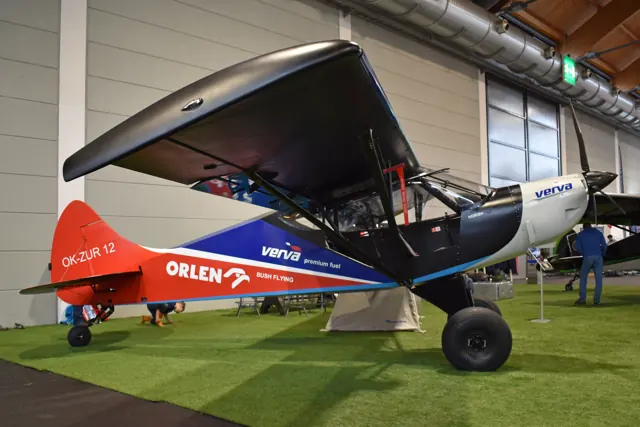
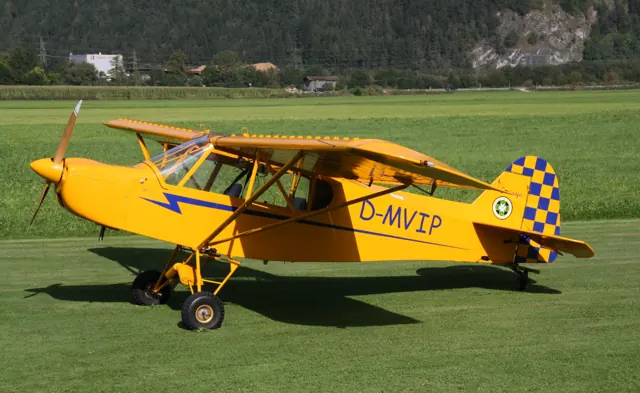
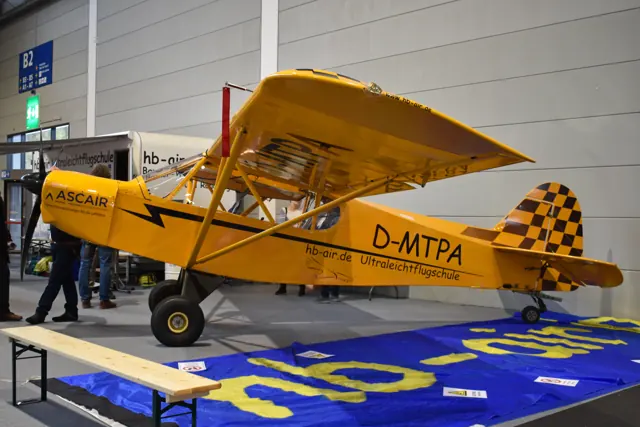
Zlin Aviation's Savage Cub uses a lightweight braced high-wing airframe, tandem cabin and tailwheel landing gear for recreational flying. Its layout follows the familiar Cub pattern.
Aircraft background
Wikipedia contributors · Read more ↗A first tailwheel lesson brings both encouragement and awkward moments
The Savage gave this new tailwheel pilot plenty to think about before leaving the ground. Taxiing demanded unfamiliar coordination, and reaching the flap handle from the chosen seat position proved awkward. Once airborne, the low nose attitude also took some adjustment, even as the aircraft’s direct feedback made the flying enjoyable. The first landing went surprisingly well with encouragement from the instructor behind.
Public blog handle · July 2009. Savage Classic with Rotax 912 ULS in Australia; related Savage-family variant, not an independently identified example of the simulated Cub.
CriticalAlpha · Read more ↗Into the cockpit
 YouTube
Skywagon University · 16 min ·
Interview with a Savage Cub
Skywagon University meets a Savage Cub owner and takes a flight.
Real aircraft · Zlin Aviation Savage Cub
Watch on YouTube ↗Preview images are served by AirframeDB. Videos open on YouTube only when you choose to watch.
Meet Zlin Aviation Savage Cub
Zlin Aviation's Savage Cub uses a lightweight braced high-wing airframe, tandem cabin and tailwheel landing gear for recreational flying. Its layout follows the familiar Cub pattern.
The later Norden and specialised Shock Ultra share the family outline, with different wing, engine and landing-gear developments.
Savage
Zlin Aviation → · Explore the family →
Zlin Aviation Savage Cub
Wikipedia contributors · Zlin Savage ↗Microsoft Flight Simulator · MSFS 2024 →Microsoft Flight Simulator · MSFS 2020 →Aircraft type designators
Use the code for the model you are flying. The linked authority lists the applicable aircraft.
History & design
An Italian design built in the Czech Republic
The Savage began production in Italy in 1997-98. Production moved to the Czech Republic in 1999 under Zlin Aviation, using a welded-tube fuselage and fabric covering intended to remain repairable in bush-flying service. The family subsequently expanded, with the Norden introduced in 2020. The Savage Cub and later specialist derivatives share a lineage, but their equipment and high-lift systems should not be treated as interchangeable.
Zlin Aviation · Savage family history ↗Zlin Aviation manufacturer history; model chronology and construction.
Pilot accounts
A first tailwheel lesson brings both encouragement and awkward moments
The Savage gave this new tailwheel pilot plenty to think about before leaving the ground. Taxiing demanded unfamiliar coordination, and reaching the flap handle from the chosen seat position proved awkward. Once airborne, the low nose attitude also took some adjustment, even as the aircraft’s direct feedback made the flying enjoyable.
The first landing went surprisingly well with encouragement from the instructor behind. Later attempts were less tidy, as judging height and the tailwheel sight picture remained new skills. The post keeps those successes and mistakes together instead of turning an introductory lesson into an effortless conversion.
Public blog handle · July 2009. Savage Classic with Rotax 912 ULS in Australia; related Savage-family variant, not an independently identified example of the simulated Cub.
Read the full account · CriticalAlpha ↗An Italian flying lesson continues around lunch and rain
Benny travelled to Brescia hoping to develop the skills needed for bush flying. The first step was learning the yellow Savage Cub with instructor Fabio Guerra. Repeated taxi practice led into an initial flight, where the aircraft’s feedback began to make sense through time at the controls.
Lunch at a local trattoria divided the day’s lessons. In the afternoon, worsening rain reduced visibility and prompted a go-around before a better attempt helped Benny make more use of peripheral vision. He and the instructor eventually stopped as the weather deteriorated further. The account ends with a tired but pleased student, with rough-field adventures still dependent on first becoming competent in the aircraft.
The Aeronaut · September 2017. Author’s public name; Savage Cub tailwheel instruction at Brescia with Fabio Guerra. Off-field bush flying was a later aim, not a completed part of this day.
Read the full account · The Aeronaut ↗An Italian purchase becomes a New Zealand building and test project
Retired commercial pilot Tony Baker’s plans for a Savage began with a visit to the Italian factory and a flight in its test aircraft. He ordered a quick-build kit with the intention of enjoying the aircraft in retirement around New Zealand’s Bay of Plenty. Delays and changing circumstances eventually led him to commission Malcolm Savill to complete the project.
Savill’s work at Classic Aviation Designs took ZK-LAP through construction, certification and test flying. The finished Cub used a Rotax 912 ULS and an Italian wooden propeller, and the report relays his favourable handling assessment. By publication it was offered for sale. The story records both the owner’s original ambition and the builder-pilot’s work, without assuming those retirement flights took place.
KiwiFlyer report · 2020, pages 76–77. Savage Cub ZK-LAP: Baker flew a factory test aircraft in Italy; Savill built, certified and test-flew the New Zealand aircraft.
Read the full account · KiwiFlyer ↗In your simulator
Systems, equipment and documentation for each developer’s aircraft.
Compare simulator versions →MSFS 2024Savage Cub
Microsoft Flight Simulator · Released
Savage Cub
Microsoft Flight Simulator · Released
MSFS 2020Savage Cub
Microsoft Flight Simulator · Released
Savage Cub
Microsoft Flight Simulator · Released
MSFS 2020 · MSFS 2024Savage Carbon
Got Friends · Released
Savage Carbon
Got Friends · Released
MSFS 2020 · MSFS 2024Savage Grravel
Got Friends · Released
Savage Grravel
Got Friends · Released
Aircraft specifications
Published figures for the named real-aircraft variant. Simulator equipment and performance can differ.
| Specification | Published value |
|---|---|
| Length | 6.39 m (21 ft 0 in) |
| Wingspan | 9.31 m (30 ft 7 in) |
| Height | 2.03 m (6 ft 8 in) |
| Wing area | 14.2 m² (153 sq ft) |
| Empty weight | 288 kg (635 lb) |
| Gross weight | 560 kg (1,235 lb) |
| Powerplant | 1 × Rotax 912UL Four cylinder horizontally opposed piston, 60 kW (80 hp) |
| Maximum speed | 188 km/h (117 mph, 102 kn) |
| Cruise speed | 170 km/h (110 mph, 92 kn) |
| Stall speed | 62 km/h (39 mph, 33 kn) |
| Range | 720 km (450 mi, 390 nmi) |
| Service ceiling | 4,400 m (14,400 ft) |
| Rate of climb | 4.8 m/s (940 ft/min) |
Manuals & resources
Find your next read
Choose a topic for a short introduction and a link to the original source. Simulator references identify the developer and edition they cover.
Pilot account
A first tailwheel lesson brings both encouragement and awkward momentsPublic blog handle · July 2009. Savage Classic with Rotax 912 ULS in Australia; related Savage-family variant, not an independently identified example of the simulated Cub.
The Savage gave this new tailwheel pilot plenty to think about before leaving the ground. Taxiing demanded unfamiliar coordination, and reaching the flap handle from the chosen seat position proved awkward. Once airborne, the low nose attitude also took some adjustment, even as the aircraft’s direct feedback made the flying enjoyable. The first landing went surprisingly well with encouragement from the instructor behind.
CriticalAlpha
CriticalAlpha · Read the source ↗An Italian flying lesson continues around lunch and rainThe Aeronaut · September 2017. Author’s public name; Savage Cub tailwheel instruction at Brescia with Fabio Guerra. Off-field bush flying was a later aim, not a completed part of this day.
Benny travelled to Brescia hoping to develop the skills needed for bush flying. The first step was learning the yellow Savage Cub with instructor Fabio Guerra. Repeated taxi practice led into an initial flight, where the aircraft’s feedback began to make sense through time at the controls. Lunch at a local trattoria divided the day’s lessons. In the afternoon, worsening rain reduced visibility and prompted a go-around before a better attempt helped Benny make more use of peripheral vision.
Benny
The Aeronaut · Read the source ↗Developer documentation
Savage Carbon — product listingSavage Carbon · MSFS 2020 · MSFS 2024
Product listing captured 2026-09-30; edition scope from the reviewed catalogue
Got Friends · Read the source ↗Savage Grravel — product listingSavage Grravel · MSFS 2020 · MSFS 2024
Product listing captured 2026-09-30; edition scope from the reviewed catalogue
Got Friends · Read the source ↗Read the original documentation from the people who created it. Manuals open on their publisher’s website.
Manual
Microsoft Flight Simulator aircraft manualsMicrosoft / aircraft developersAircraft background
Zlin SavageWikipedia contributors · Research background · Wikipedia revision 1322580419 · retrieved 2026-09-12Resource
MSFS 2024 FAQ and edition aircraft inventoryMicrosoft MSFS 2020 FAQ and edition aircraft inventoryMicrosoftType designator
ICAO Doc 8643 — aircraft type designatorsInternational Civil Aviation Organization · Public search data retrieved 2026-09-14; authority update 2026-09-03Product
Savage Carbon – Got FriendsGot Friends · Product listing captured 2026-09-30; edition scope from the reviewed catalogue Savage Grravel – Got FriendsGot Friends · Product listing captured 2026-09-30; edition scope from the reviewed catalogueAircraft documentation
Savage family historyZlin Aviation · Zlin Aviation manufacturer history; model chronology and construction.Built-in force-feedback profiles
Read the documentary basis, editable starting settings and remaining questions for the aircraft you fly. Each explanation refers to the exact profile revision shown.
Catalogue programme-20261022-v1 · 3 profile choices
Got Friends Savage Carbon
Got Friends · Free and Pro · Revision 3 · Inherited starting point
MSFS 2020 · MSFS 2024
Got Friends Savage Carbon: The selected resistance accompanies the modified utility-aircraft configuration.
Got Friends Savage Grravel
Got Friends · Free and Pro · Revision 3 · Inherited starting point
MSFS 2020 · MSFS 2024
Got Friends Savage Grravel: The selected resistance accompanies the modified utility-aircraft configuration.
Zlin Aviation Savage Cub
Free and Pro · Revision 1 · Partial review
MSFS 2024 · MSFS 2020
Zlin Aviation Savage Cub: The selected resistance accompanies the modified utility-aircraft configuration.
Zlin Aviation Savage Cub
Zlin Aviation Savage Cub: The selected resistance accompanies the modified utility-aircraft configuration.
Aircraft and simulator scope
- Zlin Aviation Savage Cub · MSFS 2024 · family starting point
- Zlin Aviation Savage Cub · MSFS 2020 · family starting point
Zlin Aviation Savage Cub · Family sources identify only the variants and product versions described above.
The simulator model and controls
Zlin Aviation's Savage Cub uses a lightweight braced high-wing airframe, tandem cabin and tailwheel landing gear for recreational flying. Its layout follows the familiar Cub pattern.
This starting point selects Zlin Aviation Savage Cub. Its aircraft-level settings do not select a particular developer’s custom systems.
How this profile feels
The selected resistance accompanies the modified utility-aircraft configuration. Spring resistance builds with the selected airspeed response. A separate aerodynamic term adds speed-dependent control load.
Pitch relief is separate from tyre, engine and flap-fit selection. Valid trim provides the configured pressure relief. Autopilot following is off.
Controls and trim
The Savage-derived Carbon and Grravel products alter engines, bush tyres, propellers and extended flaps. Hidden automatic-flight conveniences and trim hotkeys have versioned implementation scope, separate from those short-field modifications.
About the values
The gains are normalized profile settings. They describe the chosen effect balance; hand force depends on the device and its output limits. IAS references are tuning values rather than operating limits. Physical acceptance of this revision remains pending.
What the documentation establishes
Zlin identifies the Savage Cub separately from Norden and Shock Ultra.
The manufacturer lists reinforced flaps and optional extended gear; exact detents remain unverified.
Documentary review and sources
These decisions describe the documentary basis and remaining gaps for this revision. Aircraft documentation and a starting setting describe different kinds of evidence.
Aircraft and variant
ReviewedThis starting point selects Zlin Aviation Savage Cub. Its aircraft-level settings do not select a particular developer’s custom systems.
Flight controls
Not yet reviewedThe Savage-derived Carbon and Grravel products alter engines, bush tyres, propellers and extended flaps. Hidden automatic-flight conveniences and trim hotkeys have versioned implementation scope, separate from those short-field modifications.
Trim
Not yet reviewedPitch relief is separate from tyre, engine and flap-fit selection. Pitch authority 0.3 provides load relief and permitted centre movement; roll authority is 0.
Autopilot and stability
Not yet reviewedAutopilot following is off; the configured spring and load retain the hardware feel.
Equipment
ReviewedGear, flap and ground cues follow the selected settings and available simulator-reported states.
Speeds and limits
Not yet reviewedThe indicated-speed references set the profile response scale; they are separate from aircraft operating limits.
Simulator integration
Not yet reviewedThe profile targets msfs2024, msfs2020. Add-on-specific controls use only the supported references configured by this profile.
Force-feedback settings
Not yet reviewedThe settings define the profile’s effect balance. Device output limits affect physical hand force.
Starting settings and their rationale
These configured values are starting estimates. The explanations describe what each setting controls; physical validation appears separately below.
| Setting | Starting value | What it controls and why |
|---|---|---|
| Spring strength | Starting value0.74 | What it controls and whyThe selected resistance accompanies the modified utility-aircraft configuration. The baseline spring is 0.74. Its low-speed blend reaches baseline strength at 42.5 KIAS. |
| Master force gain | Starting value0.85 | What it controls and whyScales overall profile strength while preserving effect balance, subject to device and output limits. |
| Profile force gain | Starting value0.8 | What it controls and whyThe aerodynamic-load gain is 0.8 with an indicated-speed reference of 85 KIAS. This supplies speed-dependent loading alongside the spring. |
| Force tuning speed/reference | Starting value85.0 kt | What it controls and whySets the IAS reference for aerodynamic loading. It is an estimate, not published cruise TAS or a flight limit. |
| Spring response reference speed | Starting value42.5 kt | What it controls and whySets the IAS where the low-speed blend reaches baseline strength; high-speed stiffening also uses it. |
| Aileron force scale | Starting value0.6 | What it controls and whyRoll and pitch aerodynamic scales are 0.6 and 0.78, respectively. They set the aerodynamic axis balance. No custom spring-travel curve is enabled. |
| Elevator force scale | Starting value0.78 | What it controls and whyScales pitch aerodynamic loading; pitch spring travel and trim responses are separate settings. |
| Trim feel | Starting valueEnabled | What it controls and whyRetained for compatibility and group membership. Trim relief, rather than this flag, controls centre movement. |
| Trim relief | Starting valueEnabled | What it controls and whyAllows trim relief with supported control law and valid telemetry. Axis authorities set its amount. |
| Autopilot follow | Starting valueDisabled | What it controls and whyAutopilot following is off; the configured spring and load retain the hardware feel. |
| Autopilot neutral hold | Starting valueDisabled | What it controls and whyPermits centering hold during a supported AP state, separate from following a moving target. |
| Output force limit | Starting value0.55 | What it controls and whyCaps directed-force output. Native spring effects and device limits remain separate. |
All 44 starting settings and their rationale
The settings define the profile’s effect balance. Device output limits affect physical hand force.
| Setting | Starting value | What it controls and why |
|---|---|---|
| Spring strength | Starting value0.74 | What it controls and whyThe selected resistance accompanies the modified utility-aircraft configuration. The baseline spring is 0.74. Its low-speed blend reaches baseline strength at 42.5 KIAS. |
| Spring deadband | Starting value0.045 | What it controls and whySets travel around the centre before the baseline spring resists. Smaller values engage it sooner. |
| Profile force gain | Starting value0.8 | What it controls and whyThe aerodynamic-load gain is 0.8 with an indicated-speed reference of 85 KIAS. This supplies speed-dependent loading alongside the spring. |
| Master force gain | Starting value0.85 | What it controls and whyScales overall profile strength while preserving effect balance, subject to device and output limits. |
| QBlend Enabled | Starting valueEnabled | What it controls and whyAllows baseline spring strength to rise with indicated airspeed where the control law permits it. |
| QSpring Minimum Factor | Starting value0.5 | What it controls and whySets low-speed spring strength as a fraction of baseline when blending is enabled. One keeps full strength. |
| QSpring Start Knots | Starting value11.9 kt | What it controls and whySets the IAS where the low-speed spring blend starts rising. This is a feel threshold, not a flight limit. |
| Spring response reference speed | Starting value42.5 kt | What it controls and whySets the IAS where the low-speed blend reaches baseline strength; high-speed stiffening also uses it. |
| Force tuning speed/reference | Starting value85.0 kt | What it controls and whySets the IAS reference for aerodynamic loading. It is an estimate, not published cruise TAS or a flight limit. |
| Airspeed spring stiffening gain | Starting value0.15 | What it controls and whyThe high-speed spring-stiffening gain is 0.15. It strengthens the permitted spring response above 42.5 KIAS, with the squared-speed ratio capped at 5. |
| Airspeed spring stiffening limit | Starting value5 | What it controls and whyLimits the squared airspeed ratio used for high-speed spring stiffening; it is not a device-force cap. |
| Aileron force scale | Starting value0.6 | What it controls and whyRoll and pitch aerodynamic scales are 0.6 and 0.78, respectively. They set the aerodynamic axis balance. No custom spring-travel curve is enabled. |
| Elevator force scale | Starting value0.78 | What it controls and whyScales pitch aerodynamic loading; pitch spring travel and trim responses are separate settings. |
| Output force limit | Starting value0.55 | What it controls and whyCaps directed-force output. Native spring effects and device limits remain separate. |
| Trim feel | Starting valueEnabled | What it controls and whyRetained for compatibility and group membership. Trim relief, rather than this flag, controls centre movement. |
| Trim relief | Starting valueEnabled | What it controls and whyAllows trim relief with supported control law and valid telemetry. Axis authorities set its amount. |
| Elevator Authority | Starting value0.3 | What it controls and whyPitch relief is separate from tyre, engine and flap-fit selection. Pitch authority 0.3 provides load relief and permitted centre movement; roll authority is 0. |
| Aileron Authority | Starting value0 | What it controls and whyScales supported roll-trim relief and permitted centre movement. Zero removes roll response. |
| Force Trim Enabled | Starting valueDisabled | What it controls and whyEnables local force trim, separate from aircraft-owned trim and add-on integration qualification. |
| GLoad Enabled | Starting valueEnabled | What it controls and whyAllows load-factor changes to modify permitted spring laws. Passive fly-by-wire feel can suppress it. |
| Rate Damping Enabled | Starting valueEnabled | What it controls and whyEnables rate damping with the configured coefficients and control law. |
| Autopilot follow | Starting valueDisabled | What it controls and whyAutopilot following is off; the configured spring and load retain the hardware feel. |
| Autopilot follow authority | Starting value0.1 | What it controls and whySets admitted AP-follow gain, not a percentage of travel. Runtime ownership and input limits still apply. |
| Autopilot neutral hold | Starting valueDisabled | What it controls and whyPermits centering hold during a supported AP state, separate from following a moving target. |
| Autopilot neutral hold strength | Starting value0.6 | What it controls and whySets admitted AP neutral-hold strength; inactive while neutral hold is disabled. |
| Enabled | Starting valueEnabled | What it controls and whyEnables aerodynamic cues; each still needs nonzero strength and its simulator conditions. |
| Gain | Starting value0.35 | What it controls and whySets stall-buffet strength. Zero removes the cue without changing simulator stalls or warnings. |
| Gain | Starting value0 | What it controls and whySets high-Mach buffet strength; onset and full-strength thresholds are separate. |
| Gain | Starting value0.14 | What it controls and whySets flap buffet at the configured position and speed gates. Flap movement texture is separate. |
| Maximum flap index | Starting value2 | What it controls and whySets the final flap index for detent normalization. UP plus three detents uses maximum index3. |
| Minimum flap index | Starting value2 | What it controls and whySets the first flap detent that admits buffet; this is a handle index, not degrees. |
| Gain | Starting value0 | What it controls and whySets gear aerodynamic buffet; movement and ground-contact cues are separate. |
| Shaker Enabled | Starting valueDisabled | What it controls and whyPermits shaker at supported warning conditions; the switch does not establish aircraft equipment. |
| Stick shaker amplitude | Starting value0.5 | What it controls and whySets triggered shaker strength; inactive while the shaker feature is disabled. |
| Enabled | Starting valueEnabled | What it controls and whyEnables ground effects; each still needs its own strength and contact or motion telemetry. |
| Gain | Starting value0.4 | What it controls and whySets rolling texture strength, modified by speed, surface and undercarriage configuration. |
| Gain | Starting value0.25 | What it controls and whySets gear-bump texture during ground motion, separate from touchdown impact. |
| Gain | Starting value0.65 | What it controls and whySets landing-impact strength; landing telemetry and response shape determine the pulse. |
| Gain | Starting value0 | What it controls and whySets reverse-thrust vibration with valid reverser and engine conditions. Zero removes the cue. |
| Enabled | Starting valueEnabled | What it controls and whyEnables engine cues with nonzero settings and valid running-engine telemetry. |
| Gain | Starting value0.12 | What it controls and whySets estimated engine vibration using configured telemetry and response, not measured cockpit vibration. |
| Enabled | Starting valueEnabled | What it controls and whyEnables accessory cues with configured strengths and observed accessory movement. |
| Gain | Starting value0.12 | What it controls and whySets texture from observed flap movement; a command without movement does not establish the cue. |
| Gain | Starting value0 | What it controls and whySets texture from observed gear movement, separate from aerodynamic and touchdown effects. |
Limits and open questions
- The equipment description does not establish control gearing.
- Trim authority remains unresolved.
- Follow is off; no fitted system was established.
- No Savage Cub indicated-airspeed force curve was established.
- Gear and tire options need checks for the loaded configuration.
- Short-field and piston identity support cue classes; hand forces remain estimated.
Physical validation
No physical force validation is recorded in this public catalogue for this revision. Documentary review and software checks do not establish how a particular device feels.
Discuss this aircraft (0)
Questions, observations and useful sources from the community.
No published discussions yet. Bring a question or share a useful source.
Open aircraft discussions →Content expanded · What’s new
Something missing or a source that needs attention?
Suggest a correction ↗